Bla Bli Blu’s #SayNoToGifts ad makes generic gifts the joke
Inside Bla Bli Blu’s Diwali film: soan papdi as punchline, a fake gifting ban, and the psychology that makes generic gifts feel old.
The ad in one paragraph
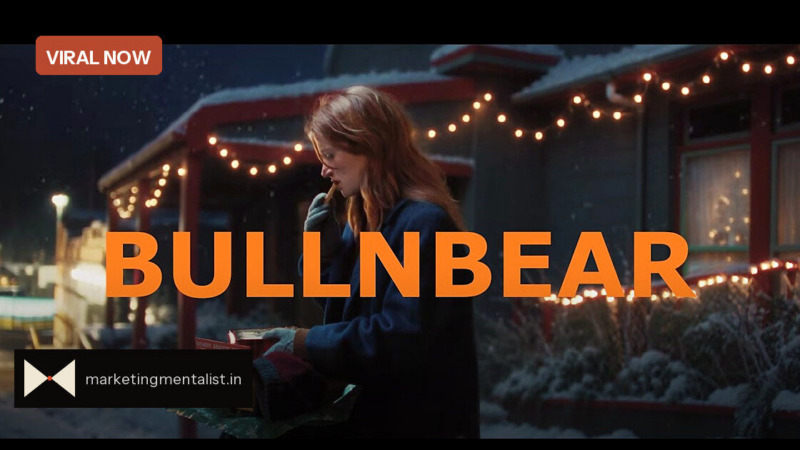
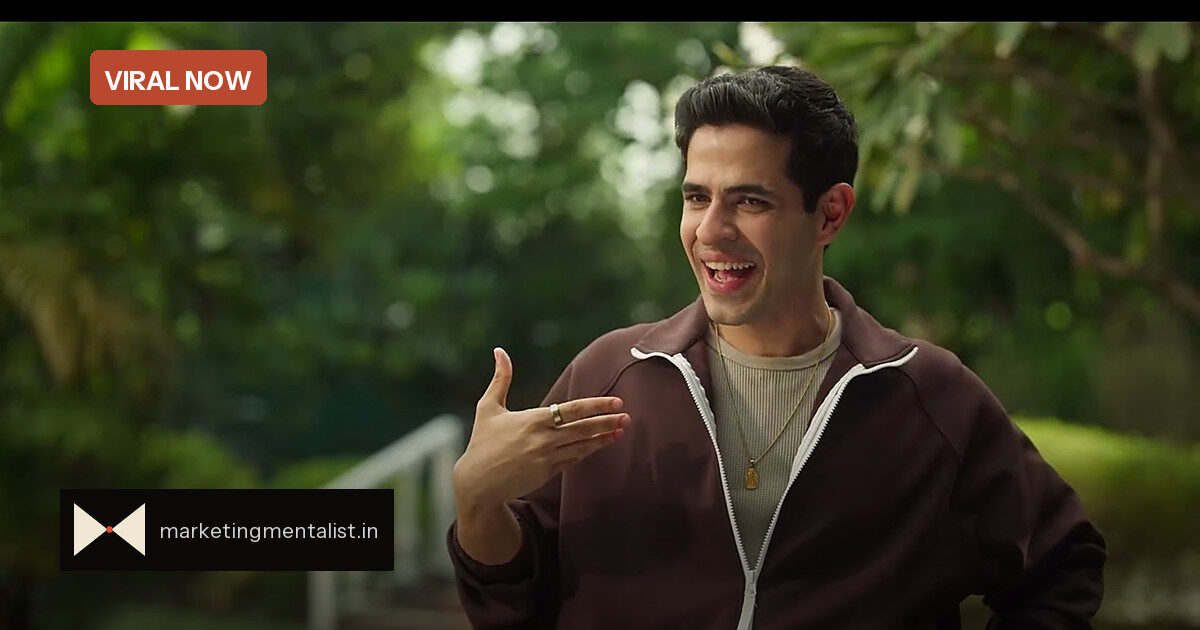
Bla Bli Blu’s Diwali 2026 film for #SayNoToGifts takes the season’s most familiar gifts—dry fruits, soan papdi and chocolate—and puts them in a retirement home, where they accept that they have become the gifts nobody wants. The Gurugram-based fragrance brand seeded the film with a fictional Indian Gifting Council and formal-looking notices that declared generic gifts banned. Featuring Brijendra Kala and Mukesh Bhatt, the film lands not as a fragrance pitch but as a nudge toward Bla Bli Blu’s gift sets and Build Your Own Box.
The levers it pulls
Three behavioural principles do the quiet work.
- Authority bias. The campaign invents an official-sounding council that outlaws generic gifting. The film inherits that authority: the message arrives as a rule that has already been handed down, not as a brand asking you to buy a new fragrance.
- Personification. Dry fruits, soan papdi and chocolate are not shown as products; they are characters in a retirement home quietly accepting their irrelevance. Giving the rejected gifts a voice lowers the viewer’s guard—people argue with a sales pitch, but not with a story.
- Social proof. The film’s characters reach the same conclusion one after another: generic is over. When even the old options endorse the shift, the new norm feels less like Bla Bli Blu’s opinion and more like consensus the viewer is late to.
The sequence does not rely on a celebrity telling you that personal gifts are better. It puts the audience in the position of the giver who already suspects these gifts are tired, then offers an easy upgrade.
What it does for the brand
Bla Bli Blu uses the campaign to change what it is allowed to sell. It stops being one more fragrance label and becomes the voice attacking gifting sameness. Founder Kushal frames the work as a movement away from generic gifting toward thoughtful, curated selections, while founder Rajat says the plan was to establish Bla Bli Blu as a critical voice in the festive gifting conversation.
Because the film travels through creators, meme pages and infotainment accounts, it shifts from a brand asset to a social one—an aim Durgesh, another founder, names directly. That matters commercially too: the company says gifting is a focus for growth after recently reporting EBITDA-positive operations, and the film turns the Build Your Own Box into the obvious answer to the ban everyone is already discussing.
What to borrow for your next campaign
The sequence matters more than the production budget.
- Create the enemy before the ad. The IGC notice made people debate generic gifting before the film ever ran. Pre-seed a fake ruling, a leaked memo or a formal letter that makes your category’s dull default feel officially wrong.
- Turn the default into a character. Instead of saying your product is better, make the old behaviour the protagonist that admits defeat.
- Give the work a social second life. Plan creator-led and meme-page distribution after the film, so the idea does not stop at a media buy.
If you sell against an unspoken norm, name the norm before you name the product. A fake council is only one format—the core trick is creating social permission to abandon the default.
Watch the original: Bla Bli Blu on YouTube
Source: Afaqs!