Miraggio markets the pre-festive mental checkout
The bag brand's LinkedIn-first 'Off The Clock' campaign borrows the Out of Office cue to market the moment people mentally leave work.
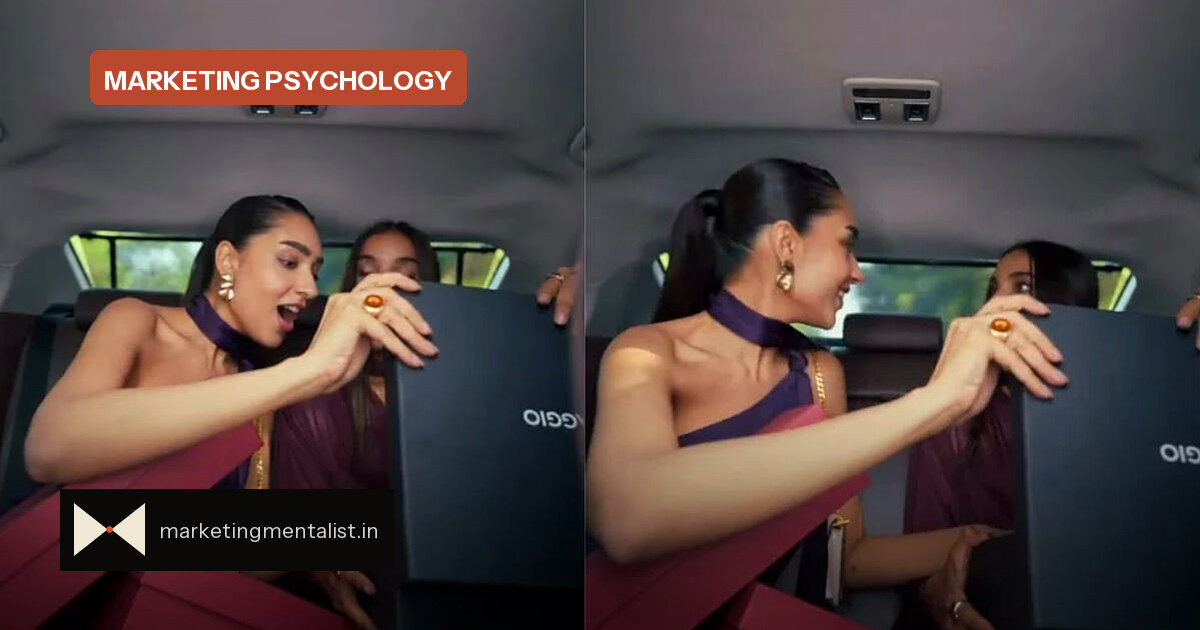
Most festive campaigns kick off with the collection. Miraggio’s first festive chapter, “Off The Clock,” kicks off with the moment before the collection matters: the mental logout that begins while people are still at work.
The insight is that during the festive season, attention shifts early. People are physically present at the desk but mentally sorting evening plans, outfits and invitations. Miraggio borrows the familiar Out of Office format to make that mental checkout visible.
The campaign opened where the cue already lives
The rollout started on LinkedIn, not Instagram. Team members updated profile pictures with Out of Office badges, and the brand changed its LinkedIn bio. Founder and CEO Mohit Jain put up the first post, which the brand then reposted. A “Chief Break Officer” carried the corporate-style posts and GIFs, leading up to a staged empty office and an out-of-office email that asked audiences to share their own sign-offs.
Only after this pre-launch sequence did the brand move to Instagram, starting with a teaser before the campaign film and the Off The Clock range of party clutches and micro bags.
The psychology: borrowed recognition
This is more than a creative device. It is a lesson in contextual priming. The Out of Office badge carries an existing meaning for LinkedIn users: the person is not fully present. By placing that badge in the same setting, Miraggio borrowed its emotional weight instead of having to create it from scratch.
“Every brand talks about the festive season as a sales moment. We were more interested in it as a mindset shift.”
— Mohit Jain, founder & CEO, Miraggio
That distinction matters for brand strategy. Festive advertising usually competes on discounts or collection aesthetics. Miraggio is competing on recognition of an internal state — the guilty little thrill of checking out early. The product slides into a narrative the audience is already living.
What this means for brand builders
The sequence matters. A brand that leads with a product asks for attention; a brand that leads with a relatable mental state earns it. Some useful principles follow.
- Find the moment before the need. The campaign targets the transition into evening plans, not the party itself.
- Use a cue your audience already understands. OOO carries meaning without explanation.
- Launch where the cue has the strongest existing association. LinkedIn made the symbol land instantly.
- Delay the product reveal until the idea has been felt. This can make the collection feel like a payoff rather than a pitch.
None of this requires a large media budget. It requires choosing a familiar signal, placing it in a context where it already works, and letting recognition do the early persuasion. The test will be whether the emotional launch translates into actual demand for the clutches and micro bags, but as a campaign structure it is a clean example of selling a state of mind before selling a product.
Source: Afaqs!