
Gold Sales Fell 15% During Ganesh Chaturthi—Here’s Why
A 60% gold price surge pushed Ganesh Chaturthi volume down 15%. Yet wedding and self-purchase demand stayed resilient—what this reveals.
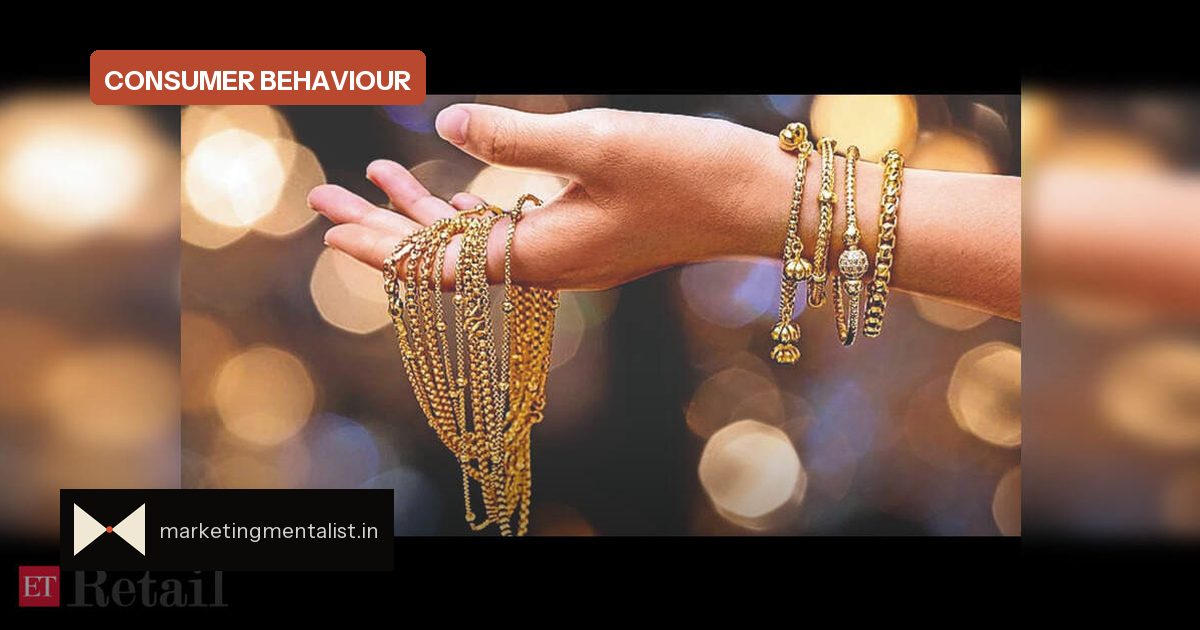
Gold sales by volume during Ganesh Chaturthi slipped about 15% compared with last year, but the story is less about falling demand and more about how buyers redesign their baskets when prices spike. In Mumbai’s spot market, gold traded at Rs 1.57 lakh per 10 grams with a 3% goods and services tax on Monday, roughly 60% higher than the Rs 98,000 per 10 grams recorded on last year’s Ganesh Chaturthi.
For brand managers, this is a live experiment in reference prices, mental accounting, and category loyalty under stress.
The psychology of a 60% price jump
Shoppers do not evaluate gold in a vacuum. They anchor to what they paid last festival season. When the current price is 60% above that stored benchmark, the purchase feels expensive even if the buyer can afford it. The result is not cancellation but recalibration: consumers keep the ritual, change the product.
Surendra Mehta, national secretary, India Bullion & Jewellers Association, described the mood as optimistic despite the volume fall: “Domestic gold prices have remained at a historic high, which has impacted volume sales. But overall the mood is optimistic, with many people resorting to old gold jewellery exchanges to buy new jewellery, which is mostly lightweight.”
What consumers actually did
- Traded down in weight: lightweight pieces replaced heavier statement jewellery.
- Used old gold as payment: exchange programmes allowed buyers to upgrade without paying full cash.
- Shifted to coins and bars: a smaller price hurdle and clearer investment logic kept participation alive.
- Sampled diamonds: some buyers chose versatile diamond pieces for celebrations, gifting and daily wear.
Kumar Jain of Mumbai’s Umedmal Tilokchand Zaveri noted that bullion coins and bars “have shown traction this Ganesh Chaturthi, even though the volume is lesser than last year.” That detail matters: when jewellery becomes expensive, the category still wins a share of the festive wallet—just in a different form.
Why wedding and self-purchase demand should not be ignored
The World Gold Council said the festive season began cautiously, with the sharp rally putting consumers in a wait-and-watch mode and delaying discretionary purchases. Yet wedding-related buying stayed relatively resilient and physical investment demand held steady.
Rohan Hemdev, director at Ananya Jewels, pointed to rising interest in diamonds and to younger consumers—especially women—buying jewellery to mark festivals and personal milestones. He expects festive season growth in double digits on the back of weddings, disposable incomes and changing consumption patterns. Digital platforms, social media, influencers and celebrity collaborations are also making jewellery more aspirational and relevant to younger buyers, according to Hemdev.
The marketing takeaway
Gold is rarely a purely rational purchase during festivals. It sits inside a separate mental account: auspicious, inherited, status-linked. When price rises, consumers protect that account by altering weight, form or payment method rather than abandoning the ritual. Marketers should therefore sell participation, not just product. The brands that win will treat gold’s price anchor as a design problem, not a demand problem.
Make exchange schemes visible, position lightweight collections as modern and intentional, and give investment buyers a clear “why now” story. The real KPI may shift from volume per buyer to basket participation and lifetime value.
Source: ETRetail.com