Himalaya BabyCare’s Gentle Baby Wash ad sells first trust
Himalaya BabyCare's new film turns a nurse's advice into a trust signal for Gentle Baby Wash, naming pH 5.5 and herbal ingredients.
The new film
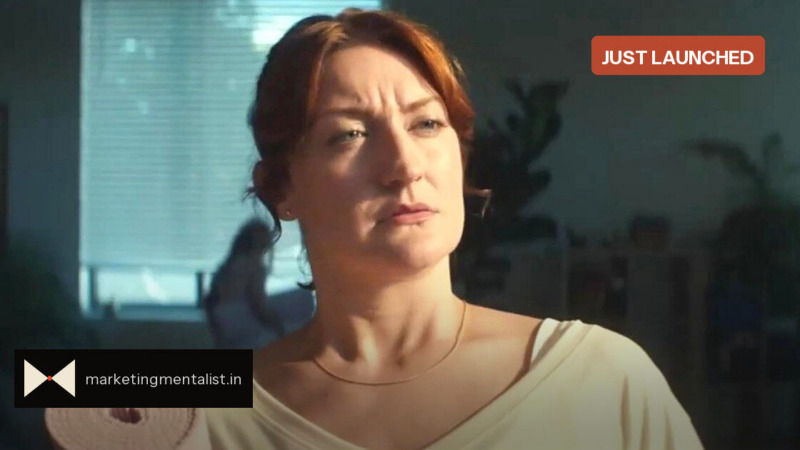
Himalaya BabyCare has just rolled out a campaign for its Gentle Baby Wash, built around a quiet handover moment: a new mother is getting ready to take her newborn home, and a nurse talks through the skincare worries on her mind. The film is titled Pehle Sparsh Ke Liye Pehla Bharosa, and it has been released in eight languages—English, Hindi, Tamil, Telugu, Kannada, Malayalam, Marathi, and Bengali. It is aimed squarely at new parents who are trying to work out what is safe enough for a baby’s first days.
The levers it pulls
The first lever is authority bias. The product’s safety and ingredient story is delivered by a nurse, not a brand voice. Because parents already grant nurses credibility in the first days of a baby’s life, the same claims land with more weight.
The second lever is risk aversion. The conversation is framed around avoiding harsh chemicals on delicate skin, which turns the wash from a routine purchase into a protective choice. The product becomes what a careful parent uses to reduce a newborn’s exposure.
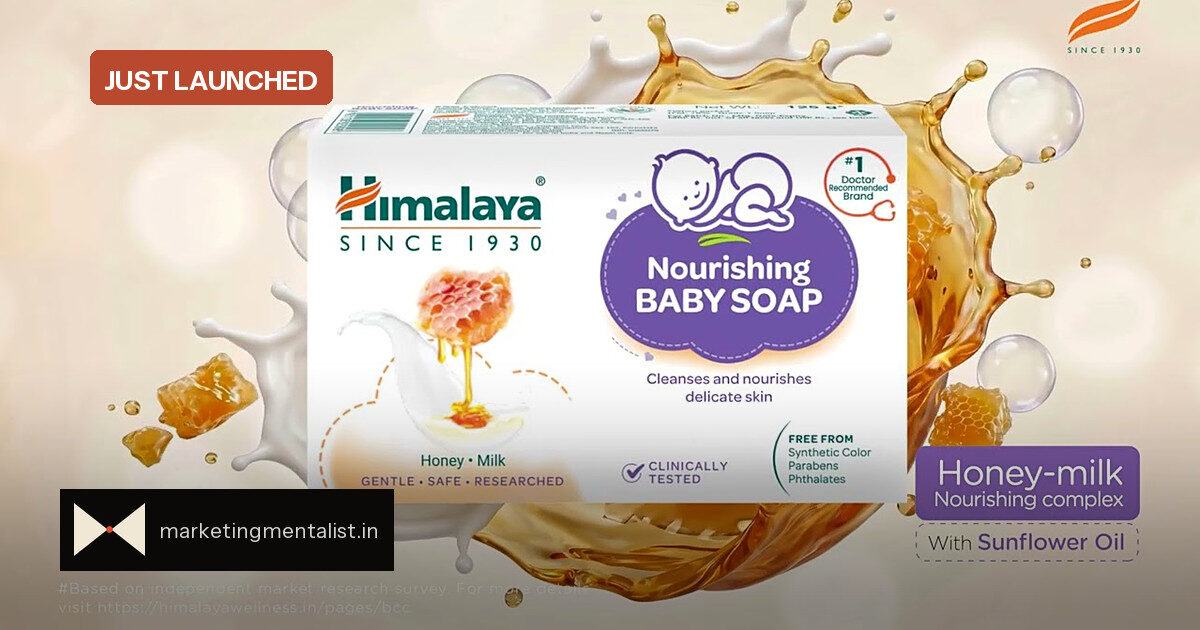
The third lever is concreteness. Instead of resting on a vague ‘natural’ promise, the ad names specific attributes and inputs:
- tear-free and soap-free formulation
- pH 5.5 balance
- green gram and chickpea
Those details make ‘gentle’ feel inspected, not just claimed. Together, the nurse borrows trust, the worry supplies urgency, and the ingredients provide the proof.
The bet the brand is making
Himalaya BabyCare is betting that the first moment of care, not the bath product alone, is what parents are really buying. The tagline makes the play explicit: Pehle Sparsh Ke Liye Pehla Bharosa—first touch, first trust. It is less a product demo than a positioning move: be the brand a parent trusts before they even reach the shelf.
Chakravarthi N. V., director – babycare at Himalaya Wellness Company, frames the brand’s role as a trusted partner in moments that carry both joy and uncertainty. The campaign leans on herbs backed by scientific research to meet new-age parents who are actively avoiding harsh chemicals.
The eight-language release is a second bet. It treats trust as local, not just translated, and tries to show up in the first language a family actually uses.
The risk is that every babycare brand promises safety. The nurse-led conversation is the brand’s way of making that promise feel earned rather than generic, without stepping into a medical claim.
What to borrow for your next campaign
This film offers a repeatable structure for trust-sensitive categories:
- Do not have the brand list its own virtues. Let a credible figure—a nurse, doctor or specialist—voice the worry and the reassurance.
- Anchor the product to a specific emotional first, like the first bath at home, rather than to the product category.
- Replace vague soft claims with named proof: an ingredient, a pH level, a formulation detail.
The lesson is not to copy the babycare tone. Find the anxious first moment in your own category, and route proof through a voice the customer already trusts.
Watch the original: Himalaya BabyCare on YouTube
Source: ETBrandEquity.com