Mahjong Is Now Luxury’s Slow Attention Playbook
Why Hermès, Prada and Indian luxury brands are investing in mahjong—and what slow rituals teach marketers about attention and community.
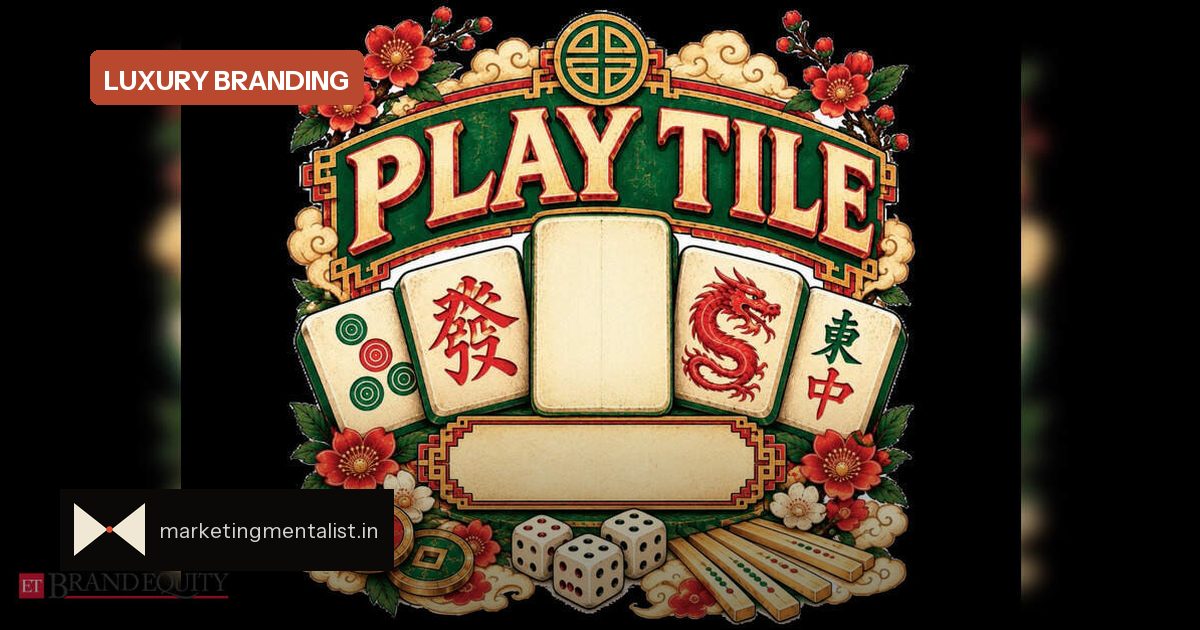
Mahjong is moving from family living rooms to luxury brand tables—and the shift says more about attention than about the game itself.
The commercial tailwind is real. The global mahjong-set market is estimated at $1.12 billion in 2025 and projected to reach $1.80 billion by 2034, at a 5.4% CAGR.
From logo placement to lifestyle object
Hermès sells a Macao Mahjong set in solid mahogany for $13,800. Prada offers a Saffiano leather version at $8,100. Louis Vuitton has a mahjong vanity trunk priced at ₹59,50,000. These are not simple merchandise plays: they are ways to place a brand inside an hours-long social ritual.
Amit Pai, CEO of Poltrona Frau India, calls the shift “not merely the premiumisation of a game” but a move to treat mahjong as a cultural lifestyle object. Premium sets are being bought for display, gifting, collection and as an expression of taste, not only for play.
The slow table beats the 15-second scroll
Luxury usually speaks in fast, polished formats. A mahjong session runs for hours, needs four people, and works best when phones are face down. That gives a brand something rare: unhurried attention in a non-sales setting.
Upasna Dash, founder of Jajabor Brand Consultancy, puts the contrast simply: “A campaign buys attention for a few weeks and stops. A community keeps meeting.” A weekly mahjong circle keeps a brand present without paying for the impression again, and that frequency is what turns visibility into familiarity.
Community is the new media buy
In India, the audience is changing. Sheetal Patel, co-founder of Lets Mahjong and The Indian Mahjong League, notes that women in their 30s and 40s are now learning the game alongside the traditional 50-plus players. People are travelling for games, dressing for events, buying sets and joining leagues. That behaviour makes the game interesting to hospitality, fashion, luxury and banking brands. HSBC has created a co-branded set with designer Gaurav Gupta and is working with Lets Mahjong on tournaments.
What brand builders should take away
The mahjong moment is a useful template for any brand trying to move from interruption to involvement.
- Find existing rituals. Enter what people already love instead of inventing a new occasion.
- Design for time, not just touchpoints. Long-format experiences earn attention that a short ad cannot.
- Make the object express taste. Craftsmanship turns a product into an extension of the brand rather than merchandise.
- Use community as frequency. A recurring gathering delivers repeated presence without repeated media spend.
Zen Diamond India’s Mahjong Marquee is a good example. The brand built an experience around the game rather than a jewellery event, using a limited-edition set with eight diamond-set flower tiles. As brand head Ankita Sonawala puts it: “Advertising tells you about a brand. An experience lets you feel it.”
The object has not changed much. The audience—and the brand opportunity—has.
Source: ETBrandEquity.com