Zepto sees 4.6 lakh ramen searches as K-wave hits carts
K-dramas and K-pop are moving from screens into Indian shopping carts, beauty routines and travel plans. Zepto's search data shows how fast entertainment becomes demand.
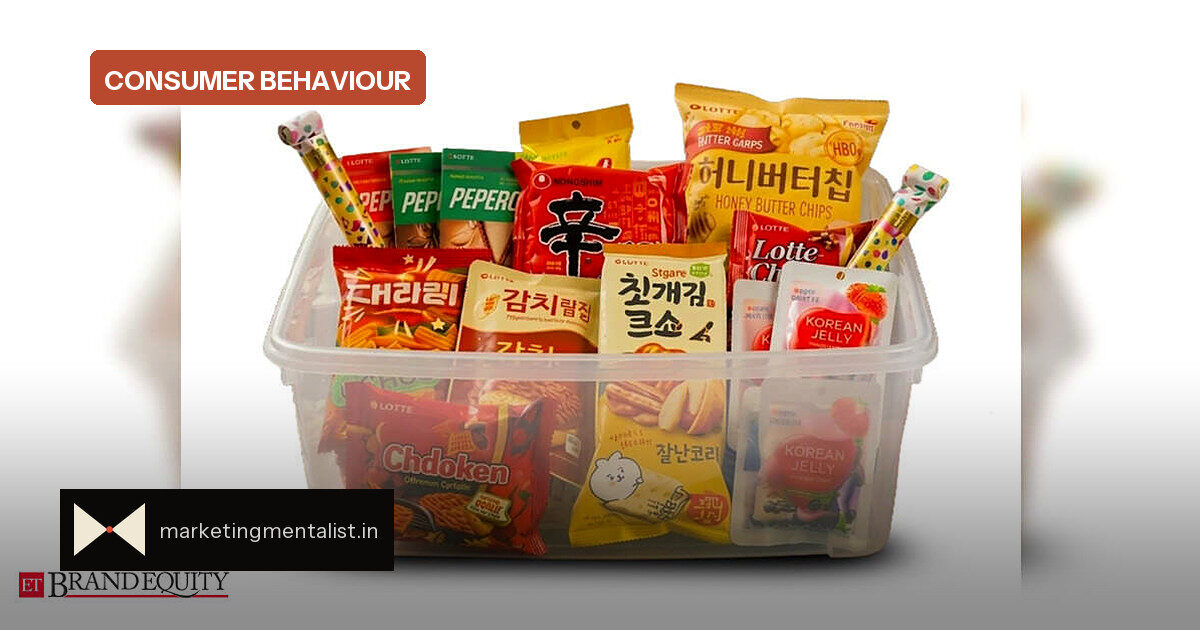
What starts as a K-drama binge is ending up in the quick-commerce cart. Zepto’s search data shows Korean food is no longer a niche curiosity: ramen searches have crossed 4.6 lakh, and Korean noodle searches have passed 1 lakh.
That is a signal marketers should not ignore. Hallyu, the Korean cultural wave, has shifted from content people watch to a culture they buy into. According to the 2025 Overseas Hallyu Survey, 84.5% of Indian respondents viewed Korean pop culture favourably. India’s K-beauty market is projected to reach $1.5 billion by 2030, per research from Kindlife and Datum Intelligence.
When entertainment becomes a discovery layer
The most interesting part is how quickly a screen moment turns into a purchase. A bowl of ramen in a drama sparks a craving. A character’s skincare routine creates curiosity about an ingredient. A celebrity makes an unfamiliar product feel relevant overnight.
Quick-commerce has collapsed the distance between that moment of discovery and the actual transaction. For Zepto, this is a chance to join the cultural journey, not just process the final order.
“K-pop and Korean dramas are almost acting as content marketing. Consumers see a product or a food in the content, develop an interest in it and then look for a way to experience it themselves,” Mendiratta said.
From food carts to beauty routines
Food is the most immediate expression of the trend, but beauty is where the behaviour is becoming embedded. Terms like glass skin, snail mucin and Centella Asiatica have moved into mainstream Indian skincare conversations.
Brands such as Laneige, COSRX, Beauty of Joseon, Innisfree and Round Lab have brought Korean formulations into daily routines. In food, Samyang, Nongshim and Bibigo are becoming familiar pantry names for people recreating Korean meals at home.
The deeper shift is behavioural. Consumers are not only buying Korean products; they are adopting the routines and rituals attached to them.
Why the familiarity works
Hallyu resonates in India because it feels both new and recognisable. Mendiratta points to shared social structures such as family relationships, academic pressure and the importance of achievement. The settings feel aspirational, but the emotional conflicts feel close to home.
- Entertainment creates the initial craving or curiosity.
- Products let consumers experience the culture at home.
- Communities deepen the interest and identity.
- Some consumers eventually travel to South Korea to experience it first-hand.
What brands can do
The lesson is not to chase every Korean trend. It is to understand why a cultural moment is creating demand, then find a meaningful way to participate. Zepto’s Soul Street initiative brought Seoul food, culture and entertainment into physical experiences, turning an offline activation into a content platform where creators and audiences extend the story.
For marketers, the real K-effect is spotting when something stops being content people watch and becomes a culture they want to live in.
Source: ETBrandEquity.com