The Psychology of Pepsodent’s Dishoom Dishoom
The throwback ad that turned tooth-brushing into a daily battle kids wanted to win—and the behavioural levers that made Pepsodent stick.
The ad and when it ran
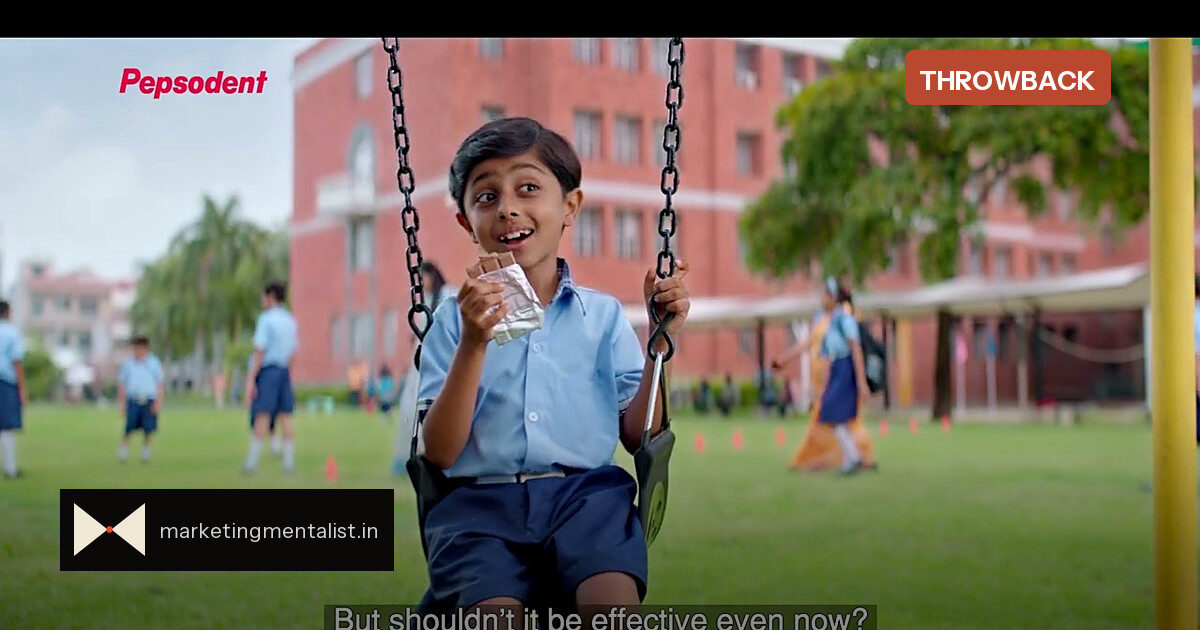
This Tamil 30-second spot for Pepsodent Germi Check came out of a long-running germ-protection platform in India. The exact year is fuzzy, but the film belongs to the mid-2000s, when toothpaste advertising was moving from bright smiles and calcium talk to a more combative, germ-fighting promise.
The setup was wonderfully direct: the mouth is under attack, and the toothbrush is the weapon. Pepsodent’s ’12 hour’ promise made that battle repeatable, morning and night. The tagline ‘Dishoom Dishoom’ mimicked comic-book combat, turning a bathroom routine into an action sequence.
The levers it pulled
Availability heuristic. The film made an invisible microbial world visible and menacing. When a threat is easy to picture, people treat it as more urgent and more likely. Cartoon germs were the perfect avatars: dangerous enough to matter, silly enough not to frighten children into paralysis. Pepsodent turned a vague protection claim into a picture a child could recall at the sink.
Self-efficacy. The ad did not stop at fear. It handed the child a fight they could win: a confident hero, a clear enemy and a repeated strike. In behaviour change, habits stick when people feel competent, not when they are nagged. The film made brushing a task the child could own, not a chore imposed by parents.
Gamified repetition. The two-syllable action sound worked like a reward signal. It punctuated each brush stroke and gave the routine a satisfying finish. For parents, ‘time to do dishoom dishoom’ became a far easier prompt than ‘go brush your teeth’.
What it did for the brand and the culture around it
Pepsodent built a memory structure most oral-care brands would envy. Germs became villains, brushing became a battle, and ‘dishoom dishoom’ became shorthand for the tooth-cleaning moment. Parents borrowed the phrase, children repeated it, and the brand owned a sound effect as much as a product benefit.
The campaign also shifted the category conversation. It reframed prevention as something you actively do, not something you wait to see. For a child, that shift mattered: the bathroom felt less like a parental lecture and more like a daily mission.
What still works today and what would not
Much of the underlying psychology has aged well. Making an invisible threat visible is still a persuasive move. Turning a health habit into a winnable game still beats scare tactics. And attaching a repeatable phrase or sound to a routine still creates a powerful memory shortcut.
- Still works: giving the audience a clear enemy, a felt sense of mastery and a reward cue.
- Would not: demonising all germs in a cartoonish way now collides with a more nuanced oral-microbiome conversation.
- Would not: a 12-hour protection claim is largely table stakes today, not a sharp differentiator.
The bigger lesson is transferable: a health brand does not need more information. It needs a vivid problem, a winnable ritual and a cue that makes the habit repeat itself.
Watch the original: Pepsodent on YouTube