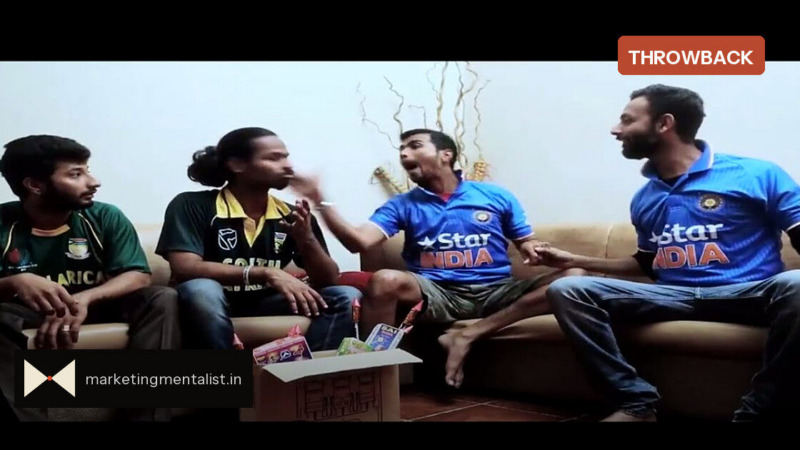
Kuchh Meetha Ho Jaye: The Ad That Made Cadbury a Ritual
How Cadbury Dairy Milk's 2004 'Kuchh Meetha Ho Jaye' reframed chocolate as India's everyday celebration sweet.
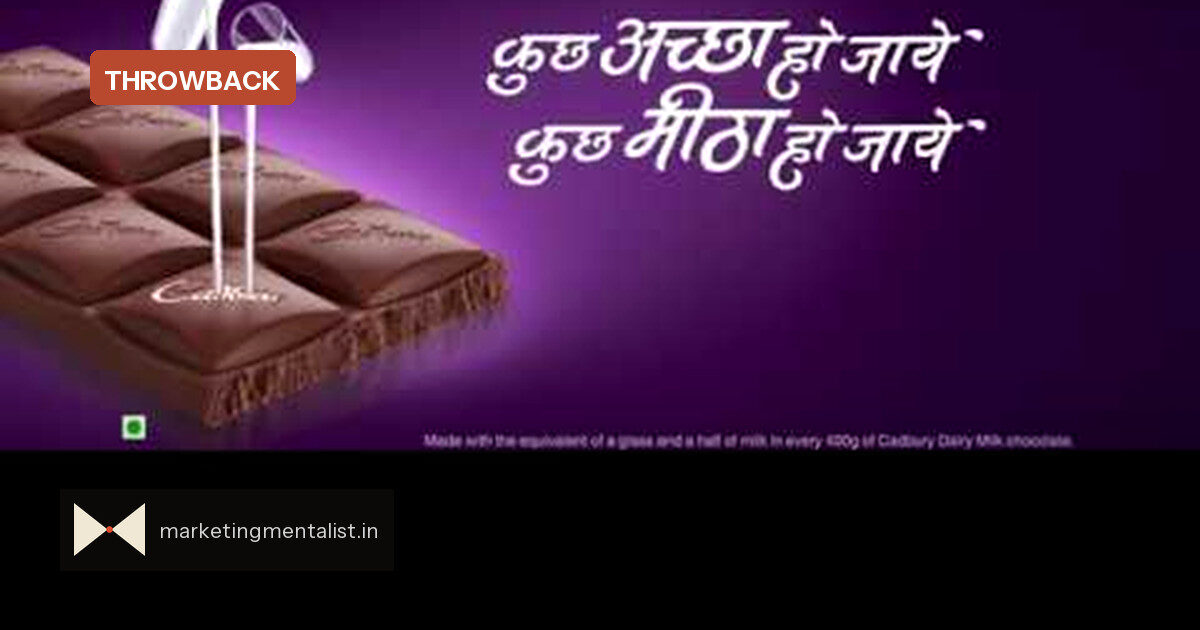
The ad and when it ran
In 2004, Cadbury Dairy Milk and Ogilvy & Mather launched “Kuchh Meetha Ho Jaye” in India. The film did not build to a big festival or a grand reward. It stitched together small, unmistakably Indian moments of good news—an exam result, a new job, a family announcement—and let each one end with Dairy Milk being shared.
The line “Kuchh achha ho jaaye, kuchh meetha ho jaaye” gave the brand a simple rule: when something good happens, the moment deserves something sweet. And the sweet in question was no longer only traditional mithai.
The levers it pulled
The campaign was a masterclass in replacing a habit without asking people to abandon what the habit was for.
- Occasion-based substitution. The film kept the cue of celebration and the reward of something sweet intact, and changed only the item. This is easier than creating a new craving because the brain already has a slot for “good news means meetha.” Cadbury simply placed Dairy Milk inside that existing slot.
- Social proof. The vignettes showed ordinary people—not just children or couples—offering Dairy Milk to colleagues, parents and friends. That quiet repetition normalised chocolate as a legitimate shared ritual, lowering the social risk of replacing a traditional sweet with a wrapped one.
- Mental availability. By attaching itself to a string of everyday triggers, the ad gave the brand many routes into memory. After enough exposure, the thought was not “I want chocolate” but “good news—where is the Dairy Milk?”
What it did for the brand and the culture around it
The campaign shifted Dairy Milk from an occasional treat to a default gesture. It gave adults permission to buy it for parents, bosses and neighbours, not just for kids. It also widened the brand’s presence beyond the biggest calendar events.
“Kuchh Meetha Ho Jaye” became a shorthand in Indian advertising and gifting culture. The campaign is widely credited with lifting sales and deepening Cadbury’s everyday relevance. It helped move chocolate into the same mental category as mithai, and it signalled that a celebration could be a small Tuesday win, not a once-a-year event.
What still works today and what would not
The core idea remains durable because it is built on a trigger, not a trend. Brands still win when they show up inside a ritual people already have. Substitution still feels easier than behaviour change, especially when the product fits the moment.
What would not translate as cleanly is the broad, one-film-for-everyone approach. Health-conscious consumers are more vocal about sugar, and the ad’s warm but slow vignettes would be squeezed by short-form attention. A modern version would need sharper targeting, portion cues and platform-native pacing.
Watch the original: Cadbury Dairy Milk on YouTube