
India’s Gold Shadow Trade Returns as Taxes Bite
High gold prices and a 15% import duty are pushing Indian buyers into cash-only, no-invoice gold purchases as wedding season approaches.
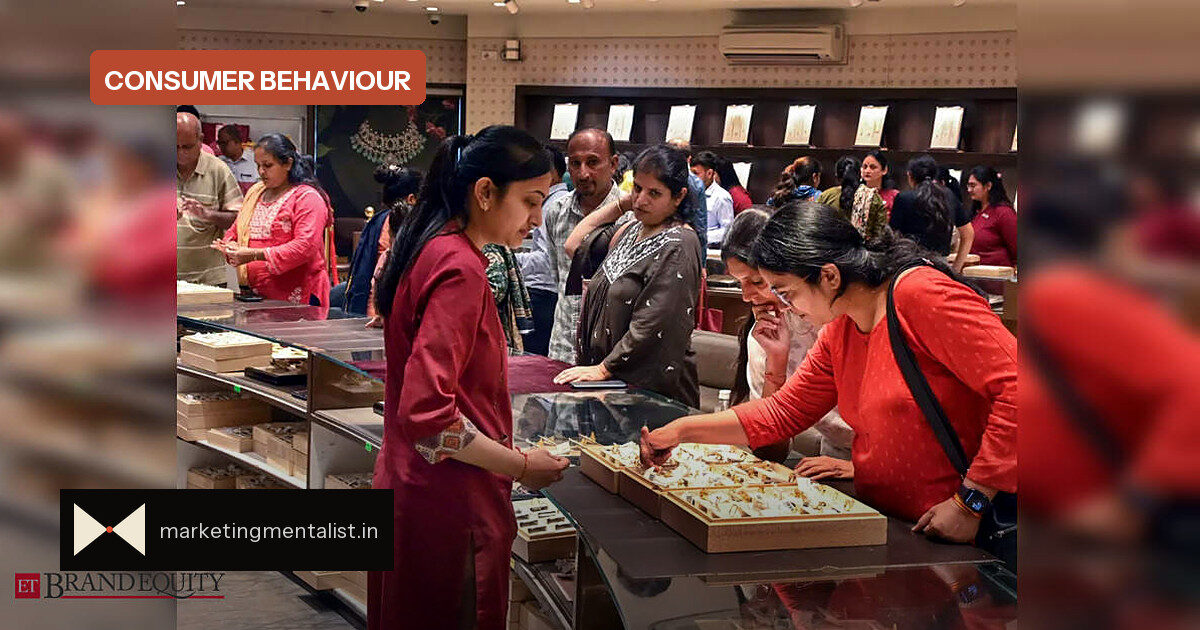
India’s gold market is splitting into two. The official one runs on invoices, GST and hallmarking. The other one runs on cash, relationships and a handshake. High bullion prices and a heavier tax load are pushing more buyers into the second lane, where a purchase leaves no paper trail.
ETBrandEquity reports that cash deals are cutting as much as 6% from prevailing market prices for bulk buyers. Some retail shoppers are getting discounts of up to ₹10,000 per 10 grams, depending on their bargaining power and how well they know the jeweller.
A policy nudge that backfired
The trigger is a familiar one: the government more than doubled import levies on gold and silver to 15%, and retail buyers pay an additional 3% GST. The aim was to curb India’s appetite for imported gold and protect foreign-exchange reserves. The side effect is an unofficial supply chain that has revived after years of lying nearly dormant, when duty was just 6%.
Gold remains almost 28% more expensive than a year ago, even after easing from a record. That gap matters psychologically: when consumers see official prices as unfair or unaffordable, a parallel discount stops looking like evasion and starts looking like a smarter price.
Trust replaces the receipt
One shopper, Anuradha, bought wedding ornaments at a discount of ₹5,000 for every 10 grams without taking a receipt. ‘It was an offer I couldn’t refuse. Gold prices are way too high and we trust the jeweler,’ she said. The line highlights the real currency of the grey market: trust. The buyer is not calculating tax avoidance; she is leaning on a relationship to make an expensive purchase feel manageable.
Hiren Chandaria of Monetary Metals puts it as an economics problem. ‘Higher import duty creates a significantly greater incentive for gold to enter outside the official duty-paid channel,’ he said. At today’s prices, even a small percentage difference becomes a large rupee amount.
What formal jewellers can do
The shadow trade is not just a policy story; it is a positioning lesson. Formal retailers cannot win by shouting ‘we are legal’ when the competitor’s offer is cheaper and built on trust. They can win by making the receipt feel like a premium, not a burden.
- Make the invoice tangible: link it to resale value, insurance, buyback guarantees and certified purity.
- Offer wedding and festival financing so the official price feels less painful in absolute terms.
- Train staff to sell assurance, not just ornaments, because a relationship is already the grey market’s main selling point.
The concept at play is reference price: buyers compare the formal quote with the cash-dealer price and judge both against last year’s price. The cash offer becomes a ‘win,’ even if it carries legal and quality risks.
The takeaway
When taxes and high prices collide, consumers do not always stop buying; they change how they buy. Brands that understand this can compete on proof and reassurance rather than price alone.
Source: ETBrandEquity.com