How Washington Mutual’s Brochures Beat Its Ads
A Washington Mutual story from the early 2000s shows why unglamorous collateral, not award-winning campaigns, moved customer deposits and built the brand.
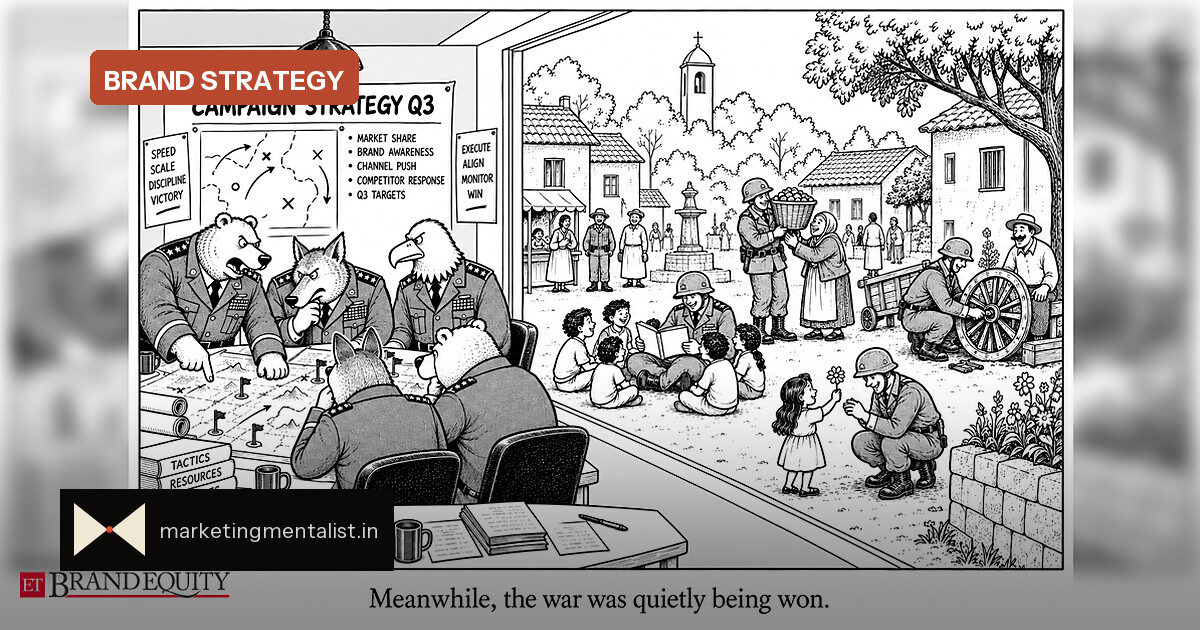
Most marketers assume the brand is built in the big creative moment. A Washington Mutual story from the early 2000s suggests the real building happens somewhere much less visible.
The account everyone wanted
In a piece for ETBrandEquity, Navin Narayanan recalls working at a Los Angeles agency on a Washington Mutual account aimed at Chinese-American customers. It was worth more than a million dollars in the early 2000s. The advertising was creative, award-winning and career-making, and the team assumed that was where the brand was being formed.
The unglamorous job that changed behaviour
Below the account director, one senior person handled advertising. Another handled collateral: brochures, product sheets and branch materials that explained how accounts worked and what documents customers needed. That person was Cathy Fu.
As a Chinese-American, Fu saw the brief differently. She knew how confusing an unfamiliar banking system could feel for Chinese-speaking customers from Taiwan, mainland China and Hong Kong. She went to branches, spoke with managers, watched customers struggle, and rebuilt the materials until they actually helped.
What happened at the counter
Branches serving large Chinese-American communities began running out of her brochures. Staff in Houston, New York and the Bay Area requested them too. Deposits rose, and customers who had historically kept money in ethnic banks started moving accounts to Washington Mutual. The collateral side of the agency eventually grew to nearly the same size as the advertising side.
Why this matters for brand strategy
The lesson is not that campaigns are waste. It is that a brand is the sum of what people experience across every encounter. The boring touchpoints often shape behaviour more than the headline, because they reduce real friction at the moment of decision.
Here is how to use that lens:
- Audit the unglamorous touchpoints: forms, brochures, FAQs, onboarding flows, call scripts.
- Watch real customers get confused before you approve the next brief.
- Treat collateral and service materials as brand strategy, not production work.
As Narayanan puts it:
Brand is not built in campaigns. It is built in the decisions nobody is watching.
Source: ETBrandEquity.com