The Shared-Screen Psychology of India’s Pop-Culture Moments
Why a cricket huddle, a finale night and a wedding reel reveal the shared-attention layer behind India's data habit.
A cricket night with fourteen people around one phone is not a data-saving story. It is an attention story. The screen is small, the room is loud, and every wicket gets a reaction that would never happen in solo viewing.
That is the layer marketers often miss. India’s pop-culture moments—cricket, web-series finales, wedding reels—are not just content being consumed. They are rituals being shared. The connection that carries them succeeds when it disappears into the moment.
The screen became the campfire
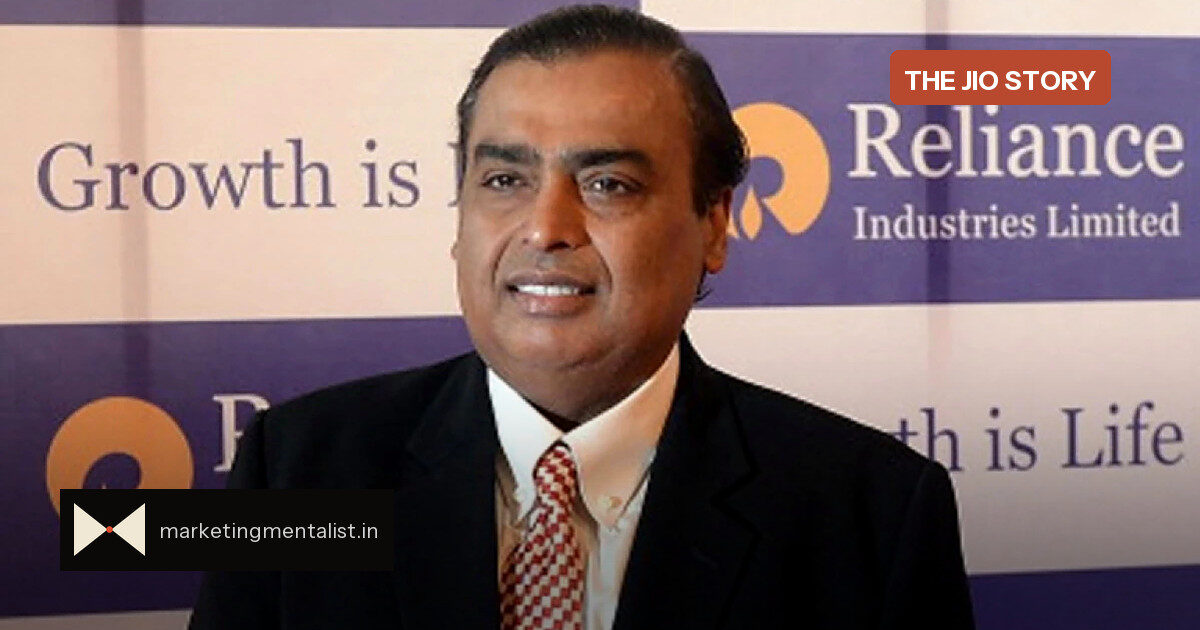
In 2016, the question most households asked was simple: ‘How much does data cost?’ The answer tended to make screens solitary. Then Jio launched with the Welcome Offer: unlimited 4G data, voice, video and apps (Reliance Industries). Company-reported figures say Jio reached 100 million subscribers within 170 days of launch (Reliance Industries Integrated Annual Report 2016-17).
The psychological shift was bigger than the tariff. A connection stopped being a rationed utility and became a shared stage. The question India asked moved from ‘How much does data cost?’ to ‘What can we do with data?’
Cricket night: one screen, many reactions
Cricket was always collective. But a single phone in a cluster of fourteen changes the geometry. The screen tilts, people lean in, and the person holding the phone becomes the broadcaster. Scarcity of screen space blocks multitasking. Emotional contagion does the rest: one gasp, one cheer, one ‘out’ makes the next over more intense.
Marketers should read this as shared attention: a group focusing on one screen, where each person’s reaction validates the others and deepens the memory.
Finale night: appointment viewing returns
Streaming was supposed to end appointment viewing. Instead, a finale became an appointment the group chooses, not the channel. People synchronise their plans, order food, ban spoilers, and replay the last scene. The bingeing era made watching endless; the finale made shared watching scarce.
That scarcity is the interesting part. When everyone watches at once, the event gains a before and after. It becomes a memory with witnesses.
Wedding reels: old ritual, new distribution
Wedding season has always been pop culture. The difference is the camera now sits inside the ritual. The same relatives who once narrated family stories now stage transition reels and reaction shots. The data layer did not create the wedding; it gave the wedding a second audience.
The same arc shows up across festivals, finals and family video calls. The connection is strongest when it is invisible.
What shared-screen psychology teaches
- A single screen blocks multitasking and raises recall.
- Visible reactions intensify emotion and make the event social.
- Existing rituals—cricket, finales, weddings—give data an emotional script.
- The network becomes the stage; the ritual becomes the memory.
Today, and the next shared moment
Today, Jio serves 524 million+ customers (Reliance Jio Infocomm, March 2026; company-reported). Its ecosystem spans connectivity, entertainment, commerce, payments, devices, cloud and AI (Reliance Industries 48th AGM, August 2025). Its stated priorities include connecting every Indian, bringing digital services home, digitising businesses, and ‘AI Everywhere for Everyone’ (Reliance Industries 48th AGM, August 2025).
The next pop-culture moment will not feel like a technology upgrade. It will feel like another existing ritual—maybe a family milestone, a local festival, a friendly match—finding its crowd around one connection. Marketers who design for that huddle will be selling into the moment, not interrupting it.