What retail, fashion and SaaS can teach hospitality marketing
A Hilton marketer shows hospitality can borrow occasion-led positioning, identity cues and friction-free journeys from retail, fashion and SaaS.
What hospitality already has
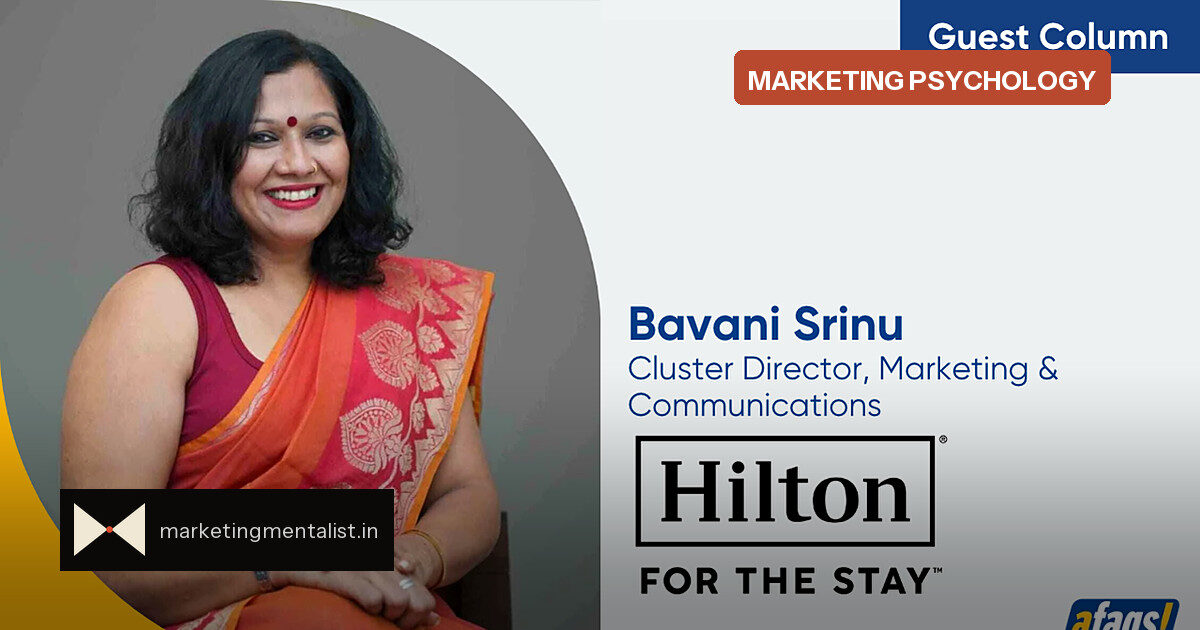
Bavani Srinu moved into hospitality marketing less than two years ago after building brands across mobility, SaaS, travel, fashion and real estate. Now Cluster Director, Marketing & Communications at Hilton, she brings a useful outsider’s lens. Hospitality, she argues, already understands something many sectors are still trying to master: people remember how an experience makes them feel long after they have forgotten the promise attached to it.
The catch is that a category built on experience can easily start marketing the mechanics of selling it. Room nights, occupancy, covers and enquiries are necessary, but they do not explain the choice itself.
The real question behind the booking
The sharper question is why a guest picks one experience over another, comes back to it and recommends it unprompted. That flips the focus from inventory to behaviour.
What other sectors can teach hospitality
- Retail: give people a reason to return. Discovery, anticipation, environment, personal relevance and identity all shape purchase decisions; hospitality has these ingredients in abundance.
- Fashion: people buy identity and mood, so storytelling should give an offering character rather than lean on adjectives such as premium, exceptional and world-class.
- Technology: relevance beats volume. Personalisation means understanding intent, timing and context, not inserting a name into an email.
- Mobility and the service economy: reduce friction. Unclear information, complicated booking journeys and slow enquiries can kill intent.
A weekend brunch is a useful test. It competes with other restaurants, but also with every other way a person might spend a Sunday. The company, atmosphere and occasion it enables matter as much as the food. Start with the occasion, and the proposition becomes far more meaningful. Fashion refines this further: people often buy an identity, mood or aspiration, not just a functional benefit. For a hotel or restaurant, that means stories should help someone imagine being part of the experience, not just tell them the brand thinks of itself as premium or world-class.
Relevance and friction decide whether intent survives
Digital businesses show that relevance often beats volume. A business traveller, a family on holiday and a corporate event organiser need different information; understanding intent, timing and context beats putting a first name in an email. Mobility adds another test: the distance between wanting something and acting on it. If details are unclear, the booking journey is complicated or enquiries go unanswered, awareness campaigns leave demand stranded.
Brand and performance are one system
All of it points to one question: how does customer understanding become business value? A distinctive brand makes a proposition easier to recognise and choose; performance marketing reaches the right audience at the right time; the lived experience decides whether the promise earns trust and repeat business. That means reach and impressions are useful signals, not the final score. Qualified enquiries, conversion, customer retention, repeat visits and the quality of demand have to sit beside them.
That does not mean every brand-building activity has to produce an immediate booking. It means looking at the customer journey as a connected system, not a row of disconnected campaigns.
Playing to hospitality’s strength
Hospitality should not turn itself into retail, fashion or technology. Its edge is the ability to turn a promise into a lived experience through people, place and service. The brands that win will be the ones that translate customer understanding into occasions people choose, remember and return to.
Source: Afaqs!