The Hidden Psychology Behind the NHL’s 32-Team Jersey Drop
Fanatics and the NHL are using local design and staged reveals to turn 32 special-edition jerseys into a season-long anticipation engine.
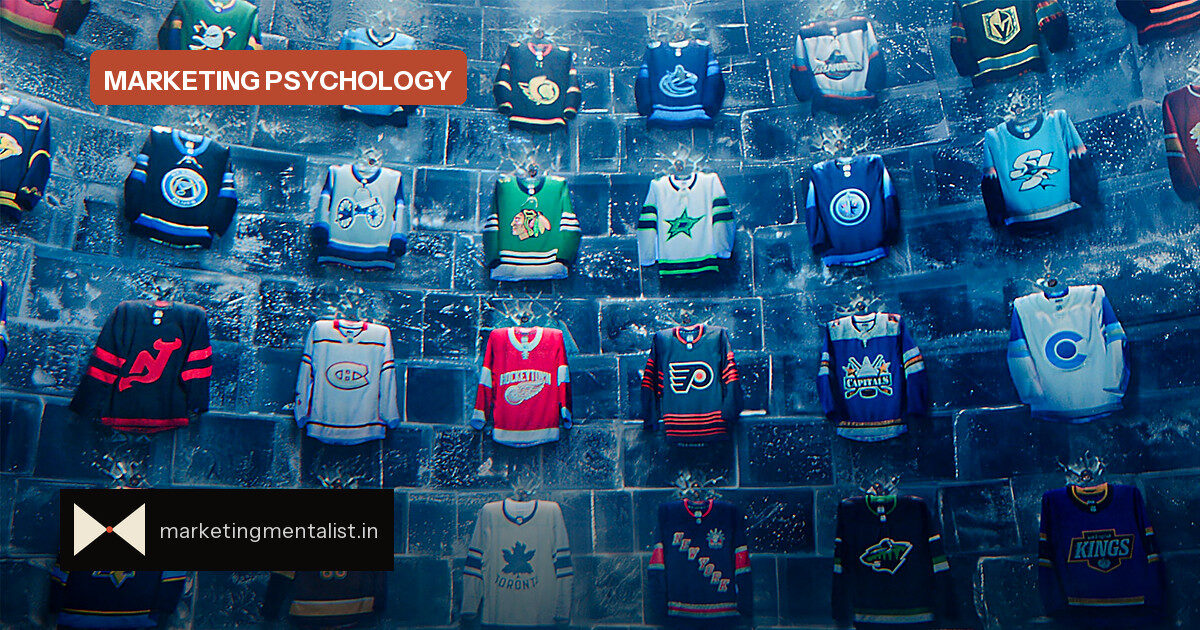
Fanatics and the NHL just turned a jersey release into a league-wide waiting game. The new Hometown Remix program includes 32 special-edition jerseys—one for every club—built around the fonts, colors, and symbols of each team’s home city. The first designs hit the ice on November 2 with the Florida Panthers, Chicago Blackhawks, and San Jose Sharks, while fan gear is already on sale.
But the product is only half the story. The rollout is a study in how withholding information can be more powerful than showing it.
Curiosity as the campaign
The NHL learned this play with Adidas’ Reverse Retro line. The 2020 drop came out of nowhere; by the time it returned in 2022, fans were already publishing mock-ups and theories. Dan Near, then a senior director at Adidas hockey, told ESPN, “We’re excited about the speculation.” That speculation didn’t compete with the campaign—it was the campaign.
Fanatics is stepping into the same space, but with a bigger canvas. Dom Fillion, vice president of creative design and innovation at Fanatics, says fans were already asking whether a leaguewide initiative would come to the table. In other words, the audience was primed before the first jersey was shown.
Why leaks and gaps make fans lean in
When information is incomplete, people feel a pull to close the gap. A design tease gives fans just enough to be curious, not enough to feel settled. That’s the curiosity gap at work: the mind wants resolution, and fans start guessing, remixing, and sharing. Each prediction becomes unpaid distribution.
Local design adds a second layer. City-specific symbols turn a jersey into civic identity, not just team merchandise. Fans aren’t only buying a uniform; they’re buying a story about where they’re from.
Here’s what marketers can steal from the rollout:
- Stagger the reveal. Drop one clue at a time instead of the full collection so the next detail becomes news.
- Design for identity. Make each variant mean something specific to a city, community, or subculture.
- Invite speculation. Leave room for fans to guess, mock up, and argue—their debate does the work.
- Use a known calendar. Hitting the ice multiple times through the season stretches one launch into repeat moments.
The takeaway for brand teams
Hometown Remix is not just a merchandising event. It is a lesson in turning product design into a psychological event. The NHL and Fanatics are betting that scarcity of information, not just scarcity of stock, can sustain attention through a long season.
If the strategy works, expect more leaguewide special editions to become a recurring part of the hockey calendar. And expect fans to keep doing the marketing.
Source: Fast Company