What Reliance Digital’s Diwali film teaches about memory marketing
A Diwali campaign that uses fading memories, old photographs and a grandfather's story shows how electronics brands can sell emotion, not just gadgets.
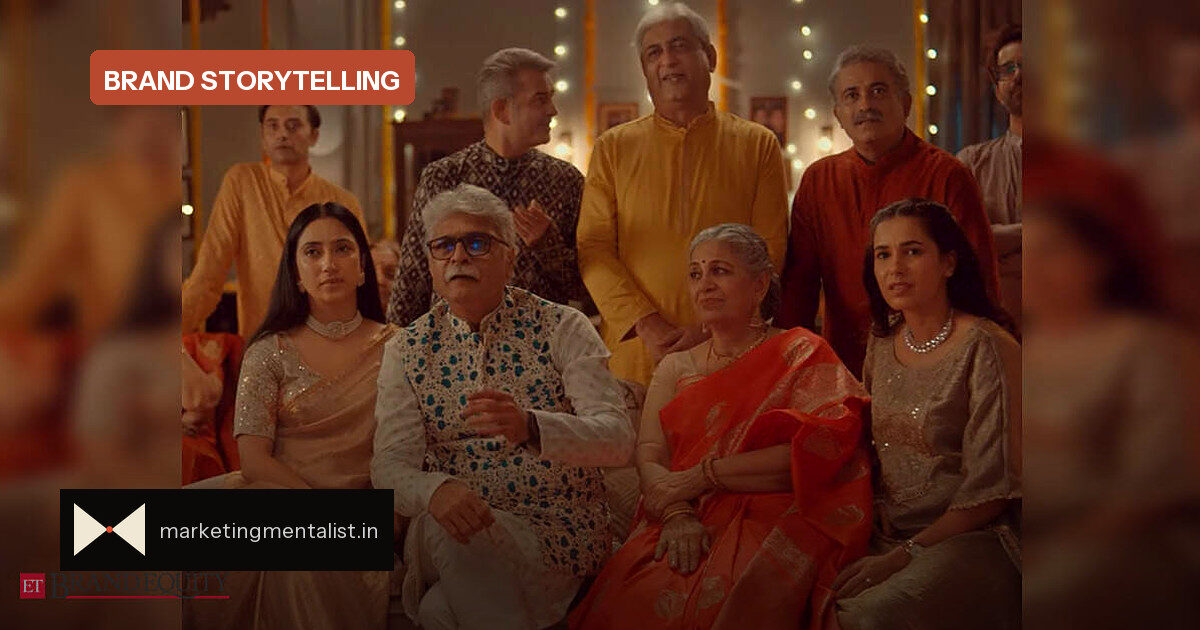
Reliance Digital’s new Diwali campaign, Apno Se Roshni, does something unusual for a consumer electronics retailer: it barely talks about products. Instead, the film follows a family rallying around their grandfather, Mr Deshpande, whose memory is beginning to fade.
Created by 21N78E Creative Labs, the film shows the family using old photographs and cherished moments to build a visual tribute. The grandchildren put technology to work to bring those still images to life, giving Mr Deshpande a way to relive experiences with the people he has always brought together.
Why memory is the real product
The campaign line — “Ek-doosre ke liye yeh roshni jalaaye rakhna hi toh Diwali hai” — positions Diwali as the act of keeping the light of connection alive for one another. In that framing, the device in the family room is never the hero. It is the quiet instrument that lets a family hold onto identity when memory starts to slip.
For our readers, this is a masterclass in selling outcomes over features. Reliance Digital could have run a Diwali discount ad. Instead, it borrowed one of the most under-used emotions in festive marketing: fear of losing someone while they are still in the room.
The psychology at work
Nostalgia does the heavy lifting here. When people retrieve autobiographical memories, they tend to feel warmer toward the people and objects attached to those moments. If a brand can be the bridge to that retrieval, some of that warmth transfers to the brand itself.
Psychologists call this the autobiographical memory effect: when a narrative triggers personal memory retrieval, people process it as self-relevant rather than as a conventional ad. Self-relevant messages receive more attention and better recall, which is exactly what a brand wants in a high-clutter buying window.
- Specific person beats generic family: Mr Deshpande gives the audience a face to care about.
- Technology becomes emotional infrastructure: the gadgets enable the memory, rather than interrupt it.
- Festival gets redefined: Diwali is not about what you buy but what you keep alive.
What to do with it tomorrow
The transferable lesson is not “make every ad sad.” It is to anchor a festive campaign to a specific ritual and a specific person’s struggle, then let the product quietly make the moment possible. The memory-loss premise raises the stakes because the need is real and irreversible; that is far stickier than a generic family reunion.
In India’s festive ad season, the default moves are discounts, celebrity cameos and the same slow-motion lighting of diyas. A memory-loss story stands out precisely because the problem is so concrete. Marketers can borrow the structure: identify the audience’s underlying fear or longing, attach it to one specific person, and show the brand enabling the resolution rather than creating the purchase moment.
The thin line
The risk, of course, is sentiment without substance. If the ad does not connect back to what Reliance Digital actually sells, viewers may remember the grandfather and forget the brand. But with the campaign placing a retailer at the centre of memory preservation, the association is intentional: technology as the keeper of relationships.
Source: ETBrandEquity.com