AI Can Build an Ad in 10 Minutes, But Not the Big Idea
At a live AI creative challenge, speed was the easy part. Leo India's winner trained his tools and kept the idea human—here is the takeaway.
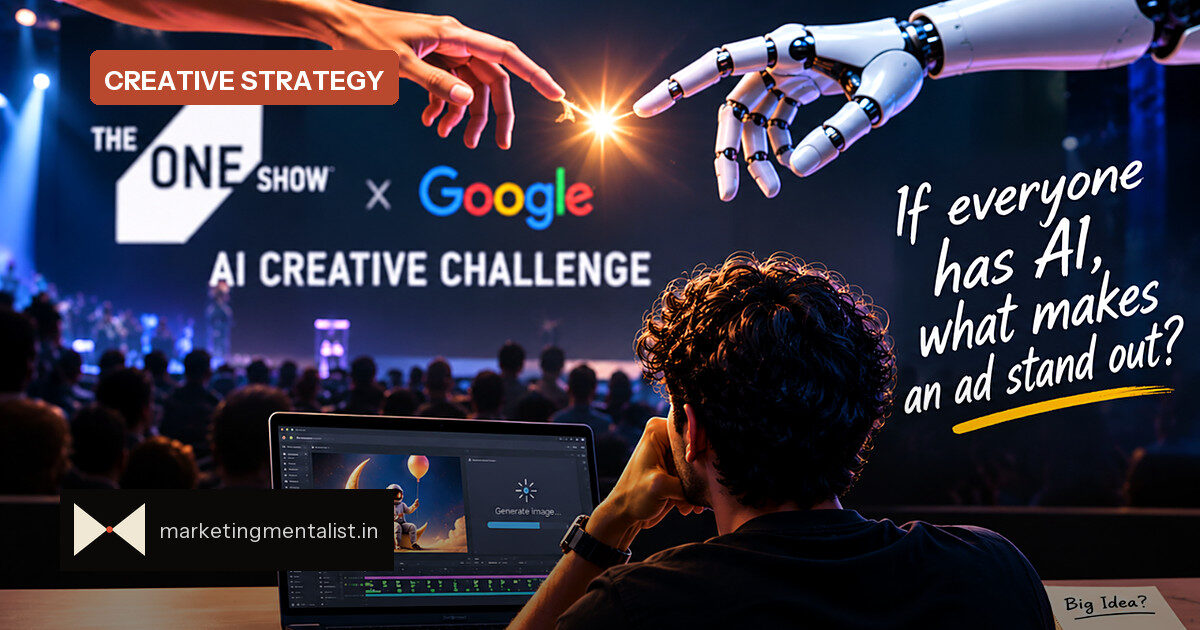
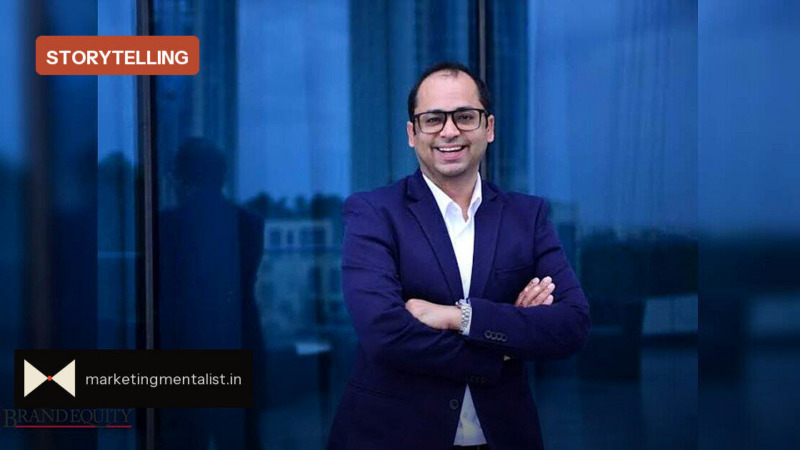
The One Show x Google AI Creative Challenge – India Edition, held in Mumbai on October 30, handed young agency creatives a surprise caption, a set of AI tools and a deadline tight enough to make production speed irrelevant. Aryaman Singh, a creative strategist at Leo India, took the win. But the room was really grappling with a bigger question: when anyone can generate an ad in minutes, what separates strong creative work from noise?
Speed is not the differentiator
Singh’s edge wasn’t pace. He has spent time teaching his tools his creative taste—his films tend toward a 4:3 frame and a painterly look, and those preferences are baked into his references and instructions. He writes with Claude, generates images with ChatGPT, used Higgsfield for video during the competition and turns to Google Veo 3 in regular work.
“If you do it without training, AI will give you the same slope that you see on Instagram feeds,” he said. Fast, yes—but also anonymous. The training is what turns a general-purpose tool into a specific creative voice.
The idea firewall
The sharper boundary is conceptual. Singh refuses to ask AI to originate the idea or write for him. He steps away from the screen, thinks the narrative through and checks whether it actually answers the brief. Only then does he let AI bring the idea to life.
That order flips the usual temptation. When execution becomes cheap and fast, the scarce resource moves upstream: clarity, judgement and taste—the parts AI cannot supply on your behalf.
Will audiences tire of the AI look?
As AI aesthetics spread, familiarity could slide into fatigue. Kainaz Karmakar, group chief creative officer at Ogilvy India, argues the problem isn’t the technology. “AI is like a sword. It depends on how you wield the sword that decides the outcome,” she said.
Rajdeepak Das, chief creative officer at Publicis Groupe South Asia and chairman Leo South Asia, compares AI-generated work to animation: audiences know WALL-E isn’t real, yet they still feel something. The test, he says, is emotional connection—not the production method.
Singh expects expectations to keep moving. Once AI visuals become the default, brands will have to use the tool more subtly to create surprise again. Karmakar adds another worry: creatives who depend entirely on AI without building their own skills risk making themselves redundant.
What marketers can do now
- Train your AI on a documented visual style before the brief arrives.
- Keep ideation human; use AI for production and execution.
- Optimise for emotional response, not production novelty.
- Protect foundational craft so the tool stays a tool.
Filmmaker Shakun Batra put the stakes plainly: as the volume of content explodes, the only work that survives is work that connects with another human being. The intention behind the work—not the tool—has to carry that connection.
Source: Afaqs!