Parle-G’s G Maane Genius: The Ad That Made a Letter Mean More
The psychology behind Parle-G's G Maane Genius film—how one letter and a street-performer gag turned a biscuit into a symbol of everyday cleverness.

The ad and when it ran
The film in this Throwback is the “Statue” spot from Parle-G’s “G Maane Genius” campaign. It belongs to the mid-2010s, when Indian television still rewarded a slow-burn joke with a tidy reveal. The exact year and agency are less important than the idea: take the most familiar letter on the pack and give it a new job.
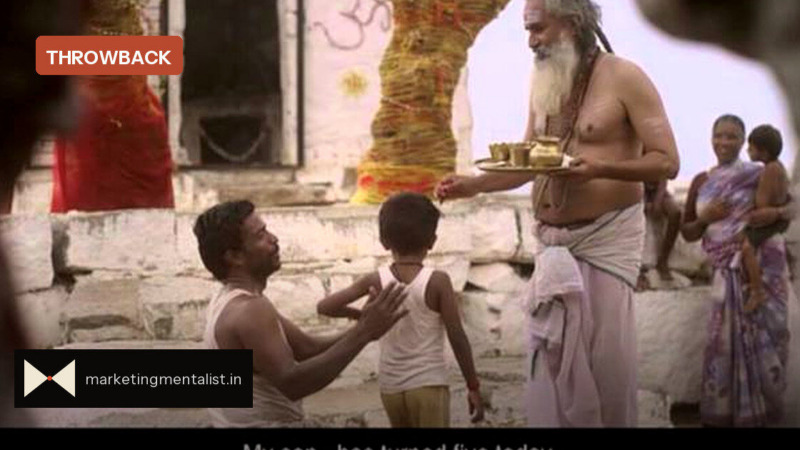
For decades, the G on Parle-G had been read as glucose. This campaign asked people to read it as genius. The story hangs on a street performer posing as a living statue and a child holding a packet of Parle-G. The child spots a small opening in the performance and uses a biscuit to make something happen. The payoff is the tagline: G Maane Genius.
The levers it pulled
The film works like a puzzle, not a jingle.
- Open-loop curiosity. The setup deliberately withholds what the child is going to do. A living statue is already a game of restraint; adding a child with a biscuit creates an open loop the viewer has to close. The answer lands only at the reveal, and the campaign uses that delay to bind the word “genius” to the brand.
- Incongruity and the isolation effect. A biscuit enters a scene where coins usually belong. That mismatch interrupts the low-attention, automatic way viewers usually process biscuit ads. Because the Parle-G pack appears at the oddest point, it becomes the most memorable object in the frame.
- Re-anchoring a familiar name. The brand did not invent a new property. It re-anchored an existing one. The letter G already had vast recognition; the campaign simply moved its meaning from glucose to genius. The child’s trick functions as proof of the idea, because it is a small act of genius done with what is already there.
What it did for the brand and the culture around it
It gave a low-cost, mass-market biscuit a new kind of confidence. Parle-G did not try to look premium. It chose a trait that costs nothing—intelligence—and attached it to the brand’s most visible asset. That was a democratic move: anyone could be a genius, just as anyone could afford Parle-G.
In culture, the line “G maane genius” became a playful shorthand. It slipped into classroom banter and marketing discussions alike, because it made the audience feel clever for getting the reframe. The brand stopped being only the default biscuit in the jar and started being a small idea people remembered.
What still works today and what would not
The reframe still works. Brands spend heavily to create new symbols, but this campaign shows the cheaper path: find the asset consumers already hold and change its meaning. A logo, letter, colour or jingle can carry a fresh association if the story proves it, not just states it.
The “clever child doing more with less” story also travels. It is warm, positive and does not depend on language or budget. That is exactly the kind of content that crosses Indian markets.
What would not work is the pacing. A living-statue joke needs a long fuse, and the film could hold a television viewer. In today’s mute, thumb-scrolling feed, the same payoff would need to arrive in the first second or two, with the brand clearest on screen. The health context has shifted too. Calling a sweet, refined-flour biscuit “genius” would now face a harder question from nutrition-conscious parents. The reframe would need the product story to catch up.
Watch the original: Parle-G on YouTube