The psychology of Navratna Oil’s Thanda Thanda Cool Cool
How a repetitive jingle and exaggerated relief scenes turned a hair-oil cooling benefit into one of India's most durable brand properties.
The ad and when it ran
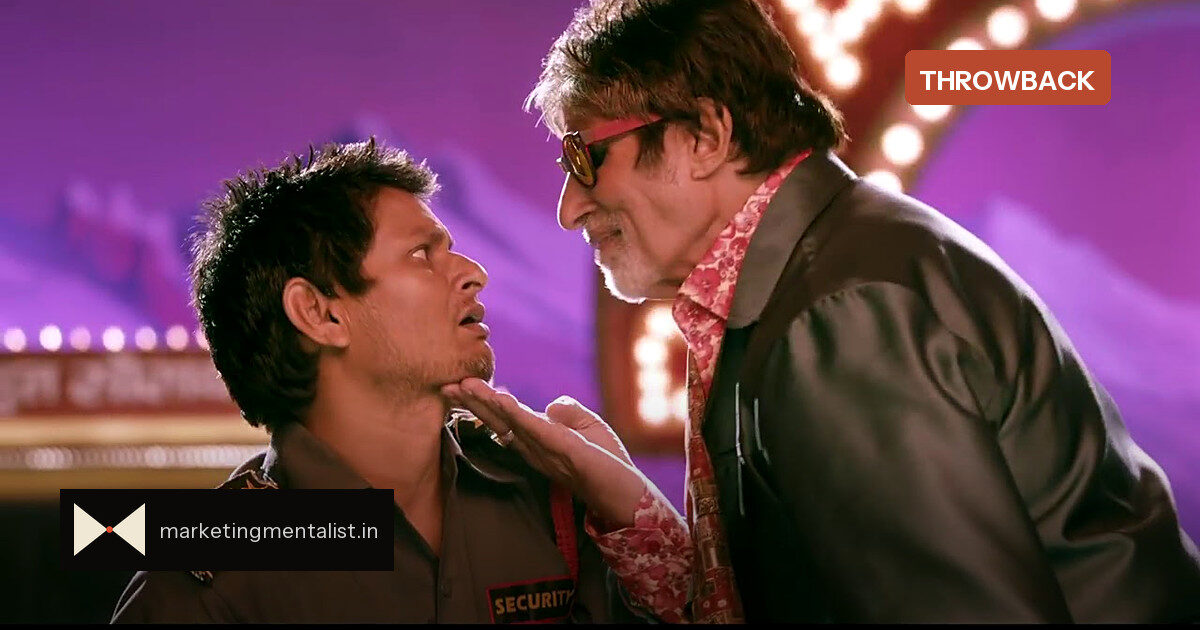
This version of the Navratna Oil story is less a single dated spot than a chapter in a campaign that many Indians already knew by heart. The film featuring Amitabh Bachchan as Raahat Raja arrived as a later, celebrity-powered stretch of the long-running “Thanda Thanda Cool Cool” platform; the creative credit points to Leo Burnett. By the time this ad appeared, the jingle was already doing what good brand assets do—it felt inevitable.
The film does not bother with ingredient science. It drops the viewer into hot, irritable, stuck moments and lets the product arrive as a burst of musical relief. Bachchan plays the relief king with a wink, which keeps the absurdity from tipping into parody. The result is advertising that behaves like a memorably daft punchline rather than a product lecture. The campaign’s longevity matters too: the film did not need to introduce a brand idea, only to re-ignite it.
The levers it pulled
Three behavioural mechanisms do most of the work.
- Sonic distinctive assets. The brand did not merely claim cooling; it built a repetitive phrase that could be hummed. Every relief moment returns to the same sound, so recall is cued by the jingle, not just the pack.
- Embodied persuasion. The film argues through bodies: shoulders loosen, faces change, movement returns. Cooling is shown as a physical transformation, which feels more observable than a list of herbs.
- Mere-exposure effect. The phrase repeats within the film and across years. Familiarity lowers the mental effort to remember Navratna, and the brand becomes the default answer in the cooling-oil set.
Each lever works on a different route to memory: sound, body, and repetition. Together they make an unglamorous benefit feel immediate and ownable.
What it did for the brand and the culture around it
The campaign gave a practical hair oil a personality. Navratna could have sold cooling as an ingredient story; instead it sold cooling as a feeling you could sing. The tagline slipped into everyday speech as shorthand for sudden, slightly comedic relief from heat or stress.
That cultural carryover is rare for a functional product. The platform is credited with lifting recall and sales, and it gave the brand a property that later executions could refresh without starting from scratch. The Bachchan chapter added reach and self-aware charm, making the ad feel less like a pitch and more like a piece of entertainment. It also made the brand feel confident enough to laugh at its own category.
What still works today and what would not
The jingle and the single-minded benefit still work. Sonic assets are even more useful in short-form video, where sound travels faster than a product demo. A self-aware celebrity who is in on the joke also ages well.
What would not translate is the stretched format. Modern viewers would need the relief in the first two seconds. The broad, full-length song-and-dance device likely feels too slow, and a cooling claim today would probably need more visible product texture or credibility rather than pure fantasy. The film is a reminder that the asset can outlive the execution, but the execution still has to earn attention in the era of the scroll.
Watch the original: Navratna Oil on YouTube