How the Welcome Offer Rewired India’s Data Psychology
In 2016, the Welcome Offer turned data from a scarce metered resource into an everyday default. Here is the psychology marketers can still use.
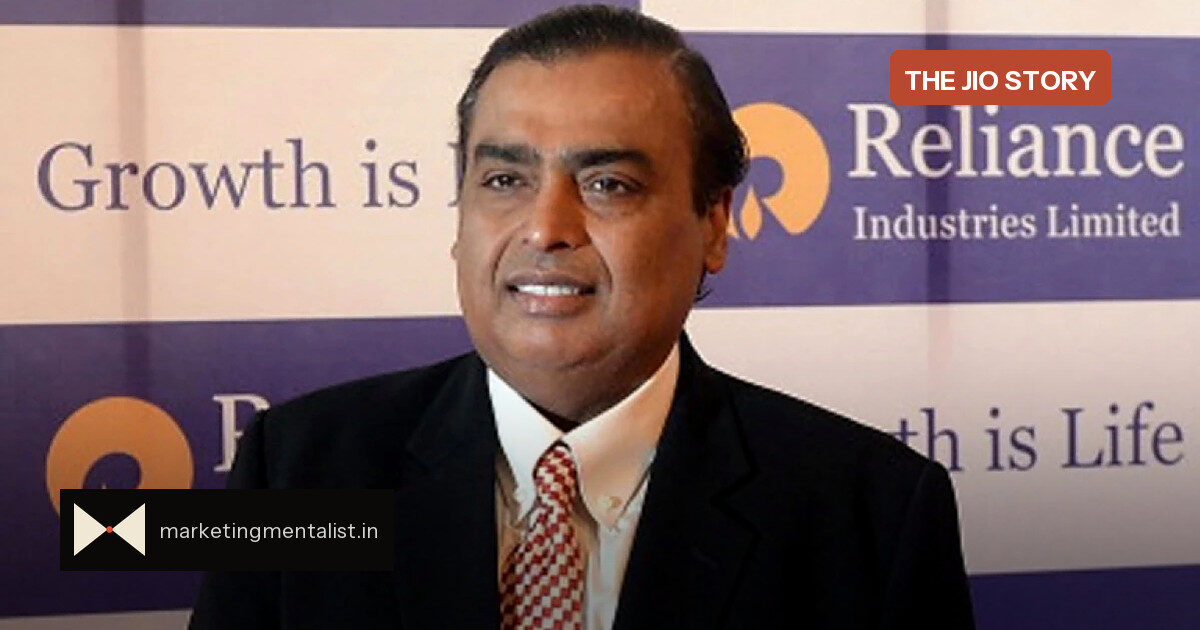
In 2016, Jio launched with the Welcome Offer: unlimited 4G data, voice, video and apps, according to Reliance Industries. The offer did more than lower a price. It moved the reference point.
Before the launch, many Indian consumers treated data as a metered utility: choose a pack, watch the balance, think twice before a video call or a large download. The Welcome Offer made data feel like a starting point instead of a budget line. That shift is one of the most useful marketing psychology lessons of the decade.
The reference point moved, not just the price
Consumers do not judge an offer in isolation. They compare it with what they already expect. When unlimited data arrived as the introductory experience, the mental anchor changed from scarcity to abundance. After a few weeks of streaming, sharing and video calling without a countdown, normal was no longer a daily cap or a night pack. Normal was always-on access.
This is a classic expectation reset. The most powerful marketing does not simply argue that a product is good. It gives people a lived experience of the new standard, so going back feels like a loss. The same logic applies to a generous trial, a freemium product, a no-questions return policy or a first purchase that teaches a new habit. The baseline shifts before the price is discussed.
Reciprocity without a sales pitch
Free offers often create a psychological debt, but they can also build habit. With the Welcome Offer, the product experience itself became the pitch. Voice, video and apps were part of the bundle, not add-ons. Consumers could discover utility first and worry about price later. That sequence is harder to copy than a discount, because it requires the infrastructure to deliver the experience at scale.
Jio reached 100 million subscribers within 170 days of launch, a company-reported figure in the Reliance Industries Integrated Annual Report 2016-17. For marketers, the number is less interesting than the speed of the behavioural shift. It suggests that when a category reset is credible, adoption can spread quickly.
What marketers can take from it
- Reset the reference, not just the price. Give people a taste of the new normal. Future offers will be judged against that lived experience.
- Make the product the persuasion. If the free layer teaches a habit, the paid layer can sell utility rather than data.
- Design for abundance, then monetise behaviour. When usage is easy, people find more things to do with the service, widening the surface for value later.
The bigger lesson: expectations are brand equity
Today, Jio serves 524 million+ customers, according to Reliance Jio Infocomm as of March 2026, and the ecosystem spans connectivity, entertainment, commerce, payments, devices, cloud and AI, per Reliance Industries’ 48th AGM in August 2025. But the 2016 launch is worth revisiting because it shows how a brand can compete on a new expectation, not only on a feature.
The question India asked moved from ‘How much does data cost?’ to ‘What can we do with data?’ That shift is the real asset. Marketers who understand it will spend less time defending a price and more time designing the next normal.