Why India’s Whisky Drinkers Trade Up Only on Some Occasions
William Grant & Sons sees older Scotch grow as affluent Indians trade up for weddings and Diwali - converting that into daily preference is the real bet.
India’s premium whisky story is no longer just about wealth. It is about timing.
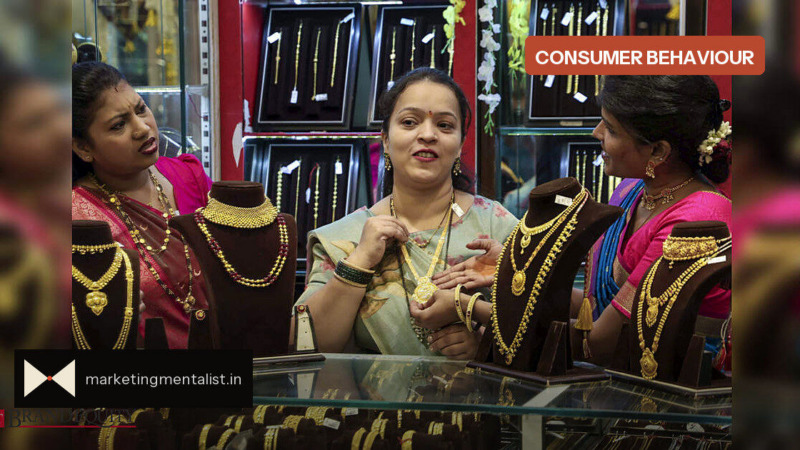
Affluent consumers are happy to pay for an older Scotch – but usually because a wedding, a Diwali gift or an anniversary gives them permission to. William Grant & Sons India is watching this behaviour closely, and it has reshaped how the company markets Glenfiddich and its other spirits.
The trade-up is real, but it is occasion-led
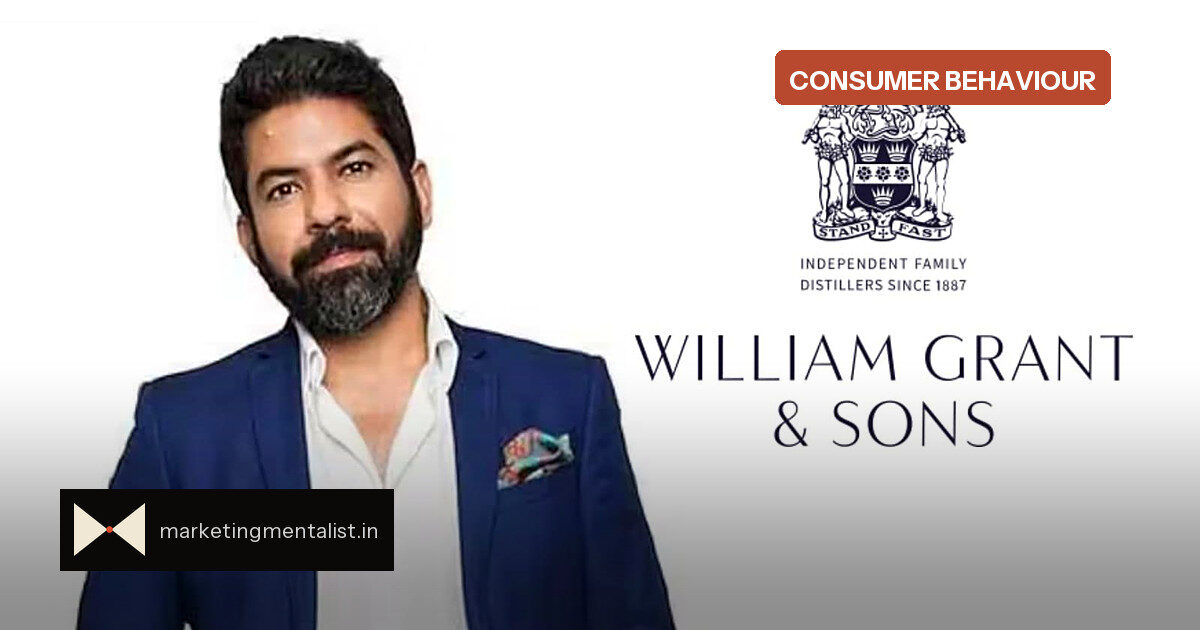
The clearest signal is the momentum behind age statements. Kartik Mohindra, managing director of William Grant & Sons India, says 15-year-old, 18-year-old and older single malts are growing faster than the wider category, even from a small base. Consumers are moving up the age ladder – but far more often for an extraordinary moment than for a routine evening.
Mohindra describes two distinct segments. For one, luxury is simply part of daily spending. For the other – arguably the larger opportunity – luxury stays locked to special moments. A price point alone is not enough, he says; the alignment of luxury and pricing is “actually the storytelling.”
Storytelling does the heavy lifting
For Glenfiddich, that story leans on heritage, craft and consistency – the attributes that tell a buyer why a bottle deserves its price. A price tag alone cannot hold a luxury position. The brand must make the premium legible, and alcohol’s advertising restrictions in India make that harder: no social media ads means the story has to live at the point of sale.
Single malt buyers, Mohindra notes, often spend considerable time reading packaging and comparing expressions before they commit. So retail stores, clubs and bars become the discovery channel. Brand marketing builds the desire; trade marketing translates it into the experience at the shelf or the bar.
Gifting is the soft entry into luxury
To capitalise on occasion-driven spending, the company tied Glenfiddich’s festive offering to Indian designer Rajesh Pratap Singh. The collaboration treats the gift itself as part of the product’s luxury positioning, not as packaging. Mohindra says luxury gifting is already established among affluent consumers in major cities, while adoption is still spreading across more states and market tiers.
- Occasions lower the psychological barrier to a premium purchase
- Gifting lets a new drinker meet the brand inside a cultural moment
- Heritage and craft turn a price into a reason
What the India-UK FTA could change
The proposed free trade agreement matters as more than a tariff story. Mohindra expects improved price accessibility to widen the luxury segment and bring more international brands into India, which he calls the world’s largest whisky market. That is both an accelerator and a threat: lower entry barriers attract more competition, and premium positions will have to be defended with differentiation, not discounts.
For marketers, the lesson travels well beyond spirits. A premium you cannot explain is just an expensive product. The brands that win will be the ones that attach the price to a story the buyer can feel – and make that story visible exactly where the decision happens.
Source: Storyboard18