iD Fresh’s ad turns Mom’s approval into a convenience strategy
iD Fresh's latest ad transfers Mom's authority to a batter pack. A look at the behavioural levers behind the iD Ka Idea campaign.
The new film
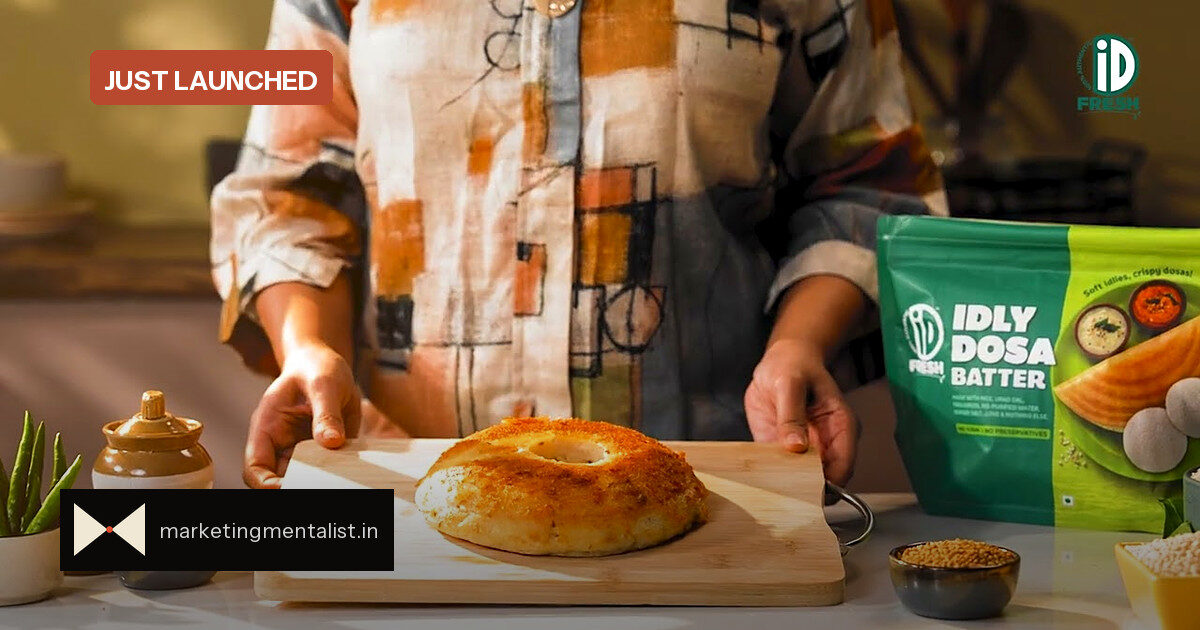
iD Fresh Food has just launched a new television commercial for its batter range under the ‘iD Ka Idea’ campaign. The film is built around two sisters and a food idea that only counts once their mother gives it her approval. It is aimed at cooks who want ghar ka khana without the labour, and it arrived in 2026 from Viem Collective, directed by Prashant Madan with production by Absolute Films. The campaign’s core line from CMO Gaurav Kwatra sums up the intent: “When it comes to food, Mom knows best.”
The recipe in the spotlight is an Andhra-style dibba rotte—crisp outside and soft inside, made with the brand’s batter. But the ad’s real subject is not the dish. It is who gets to decide what authentic home food means.
The levers it pulls
The film works by borrowing three familiar behavioural shortcuts.
- Authority bias. The mother is positioned as the family’s food authority. When she approves the idea, iD Fresh doesn’t need to argue quality from scratch; it inherits the trust viewers already place in Mom’s judgement.
- Social proof through a familiar script. The sibling banter over who is the favourite is not filler. It helps viewers recognise their own family dynamic, which softens resistance to a packaged batter.
- The authenticity heuristic. By keeping “homemade taste” and clean-label credentials in the story, the ad reframes convenience as continuity rather than compromise, so the buyer feels no loss.
The bet the brand is making
iD Fresh is betting that convenience-food buyers are not really choosing between speed and taste. They are choosing between guilt and permission. A trusted family figure can grant that permission more effectively than a rational claim about batter quality.
It is a specific bet on cultural memory: the mother remains the shortcut for food credibility in Indian kitchens, even as the cooking shifts to a pack. The clean-label positioning supports the bet—purity becomes the proof that the product clears Mom’s standards.
What to borrow for your next campaign
Do not sell a faster process first. Sell the approval of the person your buyer already trusts. Find your category’s version of “Mom”: the figure whose sign-off removes guilt. Then recreate a family script rather than a kitchen demo, and use words like “smarter” and “authentic” to bridge convenience and continuity.
For iD Fresh, the idea is not that the batter is new. It is that the food still qualifies as home food because someone who knows home food approved it. That borrowability is what makes the ad feel warm and strategic at the same time.
Watch the original: iD Fresh on YouTube
Source: Afaqs!