A 1-point review gain lets hotels charge 11.2% more
Travellers now choose hotels for experiences and shareable moments. A Cornell study shows why a one-point review gain lets hotels charge 11.2% more.
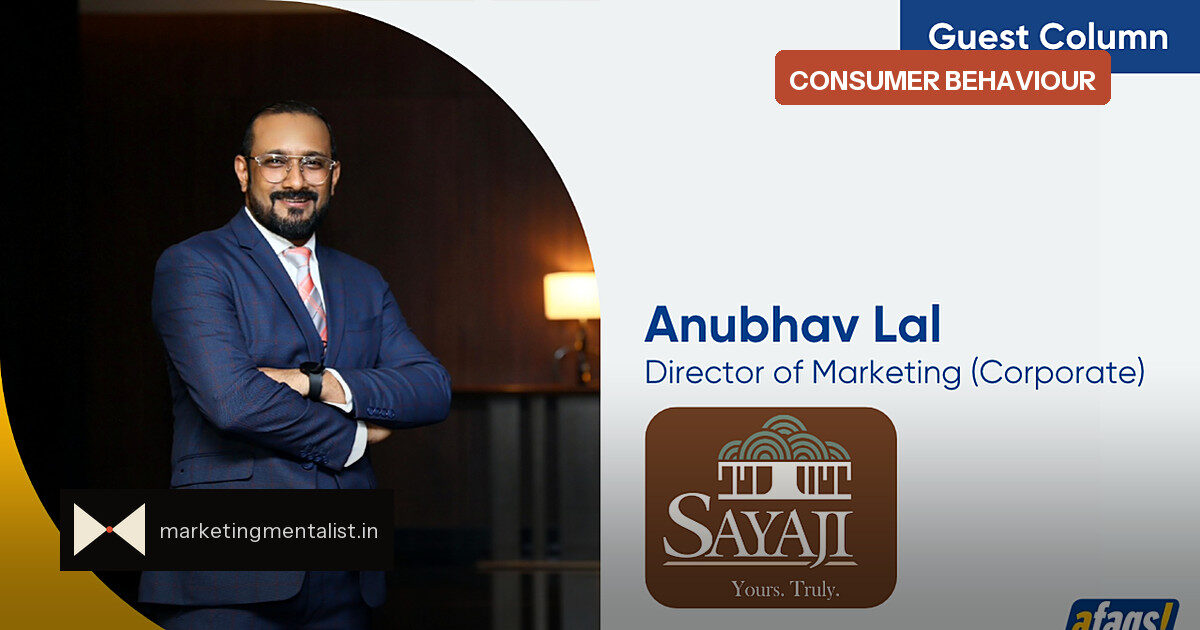
Location, price and amenities still matter in hospitality. But the decisive variable is now what a stay offers beyond the room: convenience, memorable experiences and genuine connection with a place. Anubhav Lal, Director of Marketing at Sayaji Hotels, argues that hotel marketing has moved from selling rooms to staging experiences and keeping promises.
The shift mirrors what Joseph Pine and James Gilmore described more than 25 years ago in The Experience Economy: goods and services are no longer enough, so businesses must stage memorable moments to win customers.
The traveller has become a content creator
Travel is now deeply digital far beyond booking. Guests pack drones, camera glasses and gimbals alongside smartphones; some couples even hire professional crews to turn a honeymoon or anniversary into cinematic content. A TUI Musement study found 39% of travellers visit tourist sites mainly to take photos or videos.
That changes the marketing brief. A sunrise view, a plated dish or a striking lobby is no longer only part of the stay—it is part of the story the guest will tell. Hotels need to think about light, backdrops and shareable moments, as well as practical points like where drones can and cannot fly.
Discovery has shifted too. Travellers still trust established travel media, but Phocuswright research among US travellers found 65% of those who used social media to plan a trip made a booking or visit decision based on content they saw there. The best creator partnerships, Lal notes, are those where the creator genuinely experiences the property: audiences can tell a real recommendation from a paid script.
Reputation literally changes the price
Hospitality has hard evidence that trust is revenue. A 2012 Cornell School of Hotel Administration study by Chris Anderson found a one-point rise in a hotel’s five-point review score allowed it to raise prices by 11.2% without losing occupancy.
That makes PR a long-term investment in brand equity, not a soft metric. Marketing drives visibility and demand; PR builds credibility through media coverage, storytelling and reputation. Lal’s framework is simple: marketing creates reasons to engage, PR creates reasons to believe.
Authenticity cannot be faked
Industry commentators such as Skift have pointed out that words like “experiential” and “authentic” are now used so freely in hotel marketing that they risk losing meaning. The answer is not a better adjective, but a real experience. Tourism researchers describe a “story turn”: stories increasingly shape how travel experiences are designed, not merely how they are advertised.
What that looks like in practice:
- Design for shareability: audit light, backdrops and quiet drone zones so guests can create freely.
- Partner honestly: choose creators who experience the property and share a genuine account.
- Use data for anticipation, people for delivery: systems can flag preferences; only a human can turn that into a remembered moment.
- Sign your work: signing review replies with a real name signals a person stands behind the message.
Lal frames the marketing promise as signing a letter “yours truly”—putting your name behind every campaign, post and guest response. The test for any communication is simple: would you be proud to put your name to it?
Keep the promise the story makes
A campaign can influence choice; the stay itself shapes perception. In India, Atithi Devo Bhava—the guest is God—reminds hoteliers that hospitality is an act of respect no algorithm can replace. The future of hotel marketing, Lal argues, combines consumer insight, technology, storytelling and genuine service, each reinforcing the others.
“Guests rarely recall the thread count; they remember how they were made to feel.”
The commercial opportunity is clear: consistency between story and stay turns visibility into consideration, credibility into preference and reputation into sustainable growth.