How an 1869 gold crash created India’s Black Friday
Black Friday wasn't born in a store. It began with an 1869 Wall Street gold crash, then a Philadelphia traffic headache, before India made it a sale.
Open any shopping app in India today and a Black Friday banner is already waiting. The day that was once a purely American ritual now surfaces in non-metros as readily as in metros, promising deep discounts on almost everything.
A crash before it was a cart
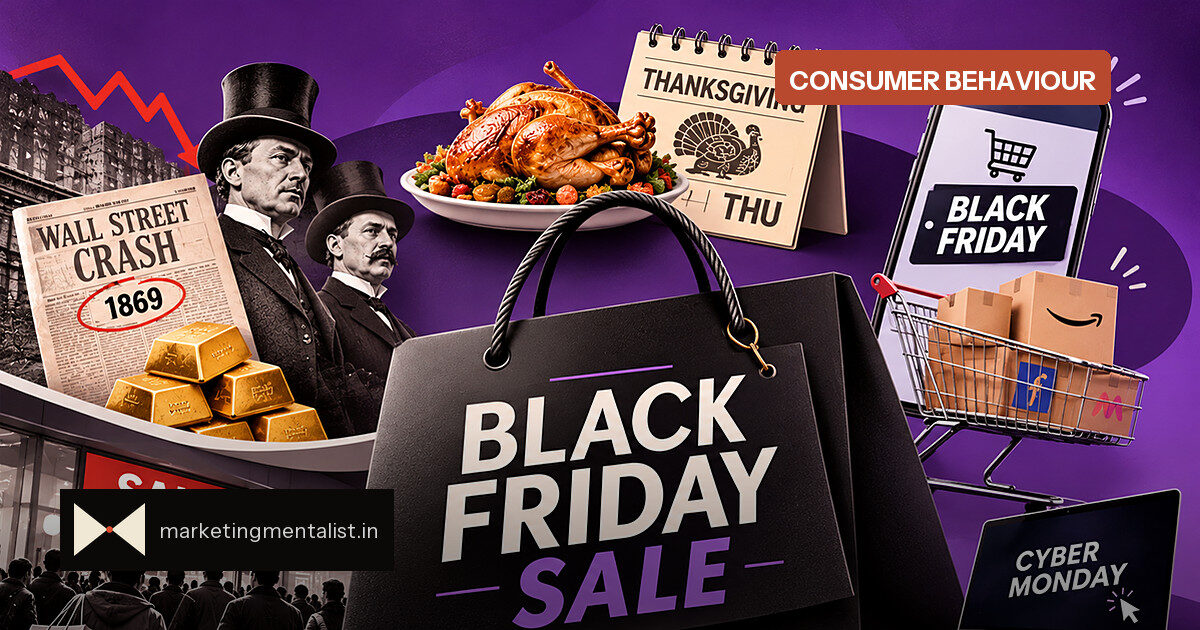
The name did not originate in retail. In 1869, Wall Street financiers Jay Gould and Jim Fisk cornered the gold market by buying as much metal as they could. On Friday, September 24, they sold it all in one move. Prices collapsed and a nationwide financial panic followed. That day was the original Black Friday.
The modern meaning came decades later. After Thanksgiving, crowds descended on Philadelphia ahead of the annual Army-Navy football game. Shoppers, tourists and traffic produced jammed streets, shoplifting and forced police overtime. Local officers began calling the Friday a Black Friday, a day they simply could not get off.
Retailers had already made the day after Thanksgiving the unofficial start of Christmas shopping. Macy’s launched its Thanksgiving Day Parade in 1924, and Gimbels helped fix the Friday window-display kickoff. The name eventually stuck, not to a crash but to a checkout queue.
From US ritual to Indian calendar
India received Black Friday slowly, then all at once:
- 2014: eBay India and Amazon’s Junglee run the first recorded Black Friday sales in India, mostly linking local shoppers to US sellers.
- 2018: Nykaa launches its Pink Friday spin-off.
- 2019: Zara and H&M run local Black Friday promotions.
- 2020: Apple joins in.
- 2021: Flipkart and Myntra get on board.
- 2024: Amazon India launches a dedicated, native Black Friday event.
India always had Diwali sales feeding into the wedding-season rush. Black Friday gave brands a second, year-end trigger: winter wardrobes, wedding demand and the global buzz pulsing through Instagram and YouTube.
Why borrowed occasions work
The psychology here is simple. A global day arrives pre-loaded with meaning. Brands do not have to educate shoppers about Black Friday; they only have to show up. The hard work of building mental availability was done decades ago by department stores, malls and, later, American e-commerce.
Nykaa’s Pink Friday shows the smarter play. It borrows the calendar moment but renames it, so the familiarity of the event transfers to the brand’s own identity. The day carries the hype; the colour carries Nykaa.
There is another lesson in the word black. Store owners later gave the name a retrospective explanation: their ledgers moved from red loss to black profit after the holiday rush. It is a tidy story, and tidy stories out-travel messy histories. Marketers do not need a true origin; they need a repeatable one.
What to do with it
If you cannot own a festival, borrow one. Target a date that already carries global or local hype, then localise the name, the offer and the use case. A borrowed occasion converts faster than one you have to explain from scratch. Just remember: names have legs. A panic from 1869 still prompts tap-happy shopping more than 150 years later, which should tell you how durable a good story really is.