1M monthly visits show malls now sell wants, not needs
Prestige Group's retail CEO Mohammad Ali explains why malls now compete on experiences and identity, with Forum Bengaluru drawing 1 million visits monthly.
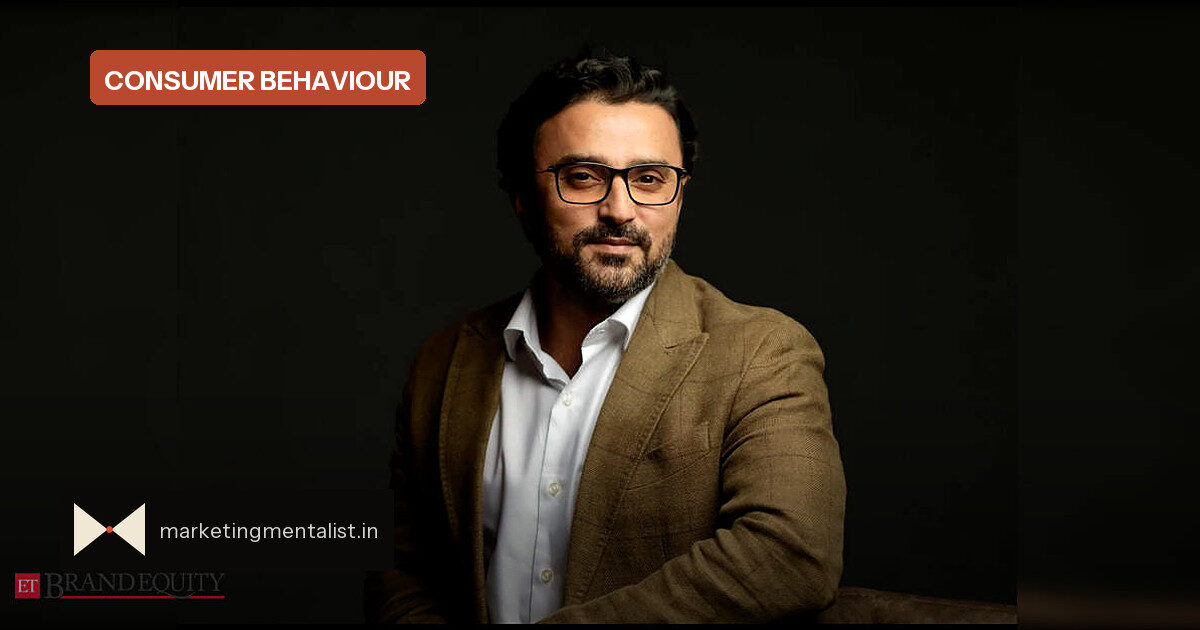
India’s malls are no longer competing on the product list. They are competing on identity, entertainment and the promise of a moment worth sharing. Mohammad Ali, CEO – Retail at Prestige Group, has watched that shift from the inside since 2004 and draws a blunt line between the two worlds: “Physical is the reality. Digital is just a medium of communication.”
From need-based trips to want-driven visits
Two decades ago, a mall visit had a specific job: buy a shirt, replace a phone, pick up a gift. Ali argues that job has largely disappeared. “Today’s business in shopping malls or in retail has nothing to do with the need. Needs have been replaced by wants,” he says.
The reason is practical. Products are available near home or through the phone, so a mall cannot win on assortment alone. “There is no apparent brand that is not already open close to your house or which will not reach you through your mobile,” Ali notes. What pulls people in is the chance to signal aspiration, try an experience and participate in something.
Physical retail becomes the proof point
For Ali, digital is discovery and communication; the store is where the brand promise survives contact. Digital-first brands entering malls cannot simply put an online catalogue on a rail. They need an experience shoppers can engage with and identify with, not just another point of sale.
Ali adds that several new-age brands have reached store expansion milestones in two or three years that legacy brands took decades to achieve. Instead of competing on features alone, they build identities shoppers want to belong to. For malls, the opportunity is to gather those identities under one roof and serve fragmented consumer preferences.
The scale of demand backs this up. Forum Mall in Bengaluru records around one million footfalls a month and crosses INR 1 billion in monthly sales, according to Ali. That traffic is not driven by unique product availability; it is driven by food, entertainment, events and cultural programming.
The changing marketing playbook
Ali estimates 60–70 per cent of the mall’s marketing effort now goes to digital and internet-based channels, with print at 20–30 per cent. But the real insight is not the media split. It is that digital’s job is to showcase an experience, and the experience itself must be delivered on the ground.
- Stage a physical moment people want to film, join or talk about rather than just a store.
- Use social media and influencers to show the experience, not the merchandise list.
- Treat food, events and entertainment as core consumption drivers, not add-ons.
- Curate new-age brands for the identity they carry, not just category coverage.
Ali points to the installation of what he calls the world’s tallest doll at Forum South Bengaluru—a mechanical, moving figure inspired by the traditional Indian wooden doll, aimed at children and younger visitors. Creating the spectacle is only half the job; the other half is making sure people see it online and decide to come.
What this means for marketers
The lesson travels beyond real estate. If consumers buy wants and identities, the product is only the entry ticket. Marketers should define the physical experience first, then use digital to amplify it. Need-based thinking underprices the emotional payoff.