
Festive e-sales rise up to 40% as premium defies inflation
Premium goods powered India's festive e-commerce opening, with sales up to 40% in three days despite inflation. Here's what upgrade buying means.
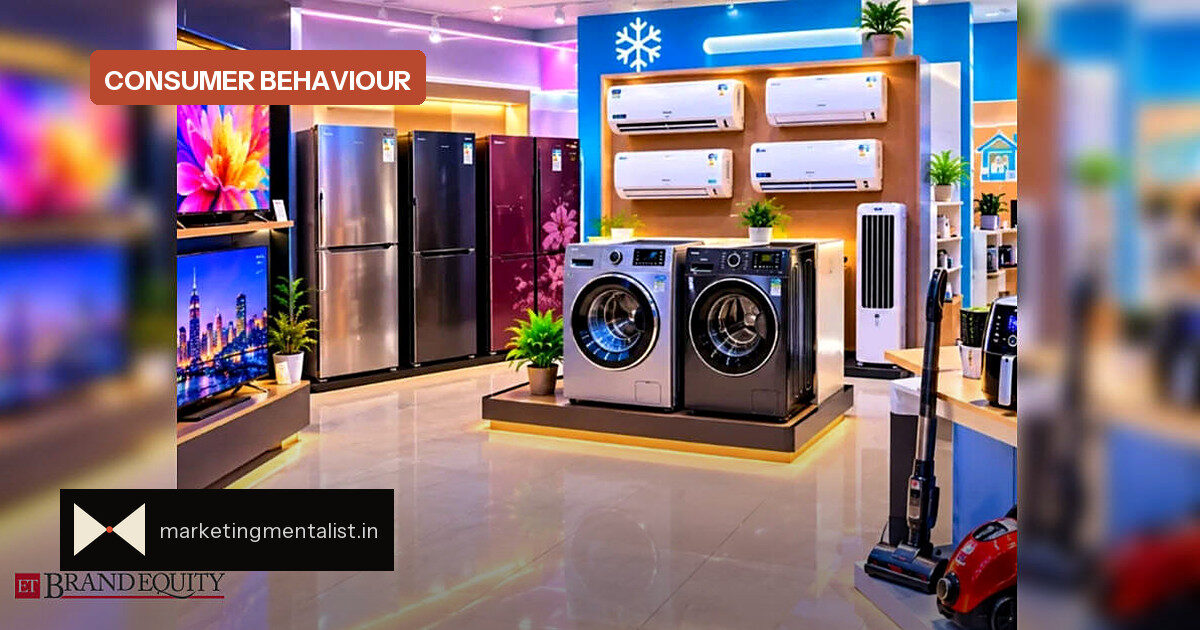
The first three days of India’s festive online sales have split shoppers into two very different carts. Premium goods are racing ahead, while mass-market buying is turning cautious.
Executives across FMCG, electronics and appliances told ETBrandEquity that premium demand helped drive e-commerce sales up by as much as 40% over the same period last year. Navratri’s start, right after the Shradh period, gave the opening an extra push.
The numbers behind the premium start
- E-commerce sales rose up to 40% in the first three days, led by premium electronics, FMCG and appliances.
- Haier India reported over 30% year-on-year growth, with consumers moving to higher-value products.
- Parle Products saw packaged food sales jump 45-50%, led by mid-sized and large packs.
- Wonderchef’s first-three-day sales rose about 20%, again driven by premium products.
- Average bill values on quick-commerce rose 15-20% in urban areas, and smaller towns brought first-time users.
“The onset of Navratri acted as a catalyst,” said Haier India chief executive Satish NS. Parle Products chief marketing officer Mayank Shah said differentiated and healthier products are in demand, as are quick-commerce transactions.
The upgrade is deliberate, not accidental
This is not a broad spending boom. Wonderchef chief executive Ravi Saxena noted that mass-market buyers appear more cautious amid global uncertainty and stock market weakness. Yet premium smartphones priced above ₹45,000 bucked a 12% decline in overall mobile volumes, according to Counterpoint Research.
“Premium phones are the only segment to grow,” said Counterpoint research director Tarun Pathak.
Large-screen televisions tell the same story: 32-inch sets have degrown this year, while 55- and 65-inch screens grew more than 20%, according to Super Plastronics chief executive Avneet Singh Marwah.
Why this matters for brand managers
The psychological pattern here is trading up. Shoppers may be holding back on entry-level buys, but they are still willing to spend on a smaller number of better products. That is happening even as input costs push smartphone prices up an estimated 35-40% and laptops and televisions up to 25%.
For marketers, the premium shelf is carrying the season. The task is to make the upgrade feel rational rather than indulgent: show durability, energy savings, health benefits, better resale or lower cost per use. Then protect the entry tier with a different value story, because inflation-hit buyers still need a reason to stay.
What to do about it
A practical move is a visible price ladder. Put the premium SKU at the top as an anchor, then present the mid-tier product as the smart step up. Bundle accessories or extended service to soften the price jump. On quick commerce, treat smaller-town first-time buyers as a separate onboarding segment rather than expecting city-style basket sizes on day one.
The opening days are telling us demand has not disappeared; it has moved up. Brands that help shoppers justify a better purchase will capture the festive wallet, while those that only defend cheap SKUs may feel the mass-market slowdown.
Source: ETBrandEquity.com


