The Data Meter Didn’t Die; It Dissolved
How the shift from rationed data to an always-on pocket rewired buying behaviour, attention and what 'normal' feels like.
In 2016, data was a resource you could run out of. You switched it off when you left home, saved videos for Wi-Fi, and treated the cyber cafe as a timed portal rather than a place. The phone was present, but the internet still felt like somewhere you went.
Today the meter is mostly gone. You do not think about whether a call is worth the megabytes. You stream, pay, map, upload and forget. That is not just a technology upgrade. It is a consumer-behaviour reset.
The habits scarcity taught
When data was expensive and finite, people became planners. A download was a small negotiation: is this song worth the data? A video call was scheduled, not spontaneous. The cyber cafe turned internet use into a block of borrowed time, which made digital life social but also performative.
Scarcity did one useful thing for brands: it made every byte feel intentional. But it also added friction. Attention went to managing access, not to what access could create.
Unlimited changed the question
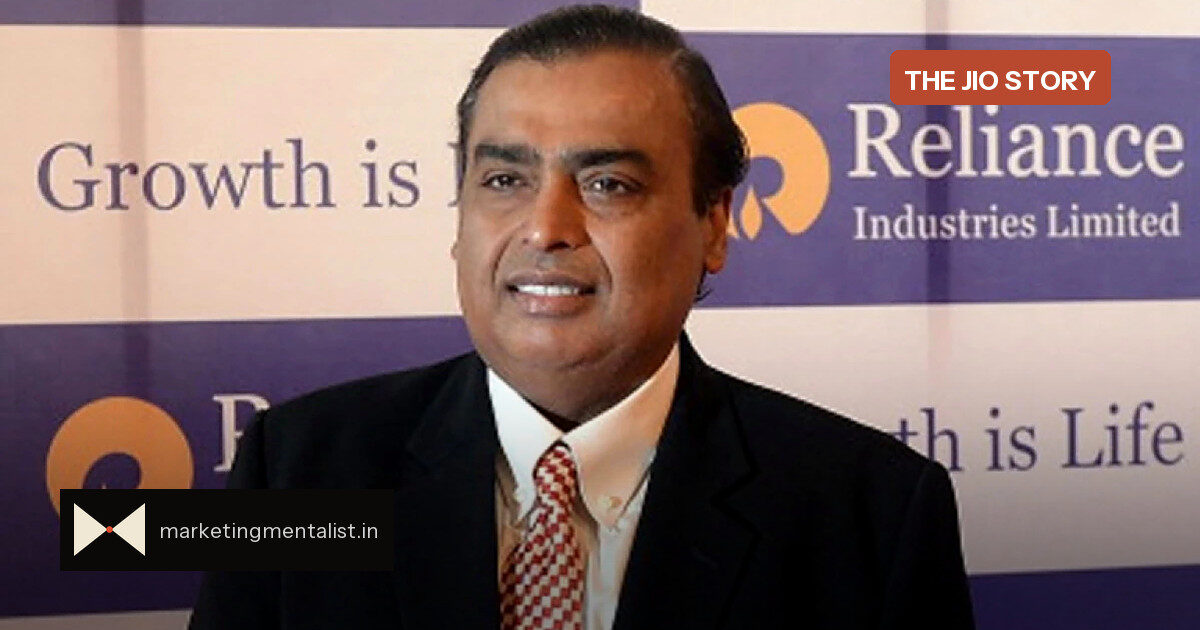
In 2016, Jio launched with the Welcome Offer: unlimited 4G data, voice, video and apps (Reliance Industries). The company reported 100 million subscribers within 170 days of launch (Reliance Industries Integrated Annual Report 2016-17). Suddenly the meter stopped being the main character.
The question India asked moved from “How much does data cost?” to “What can we do with data?”. That reframe did more than change plans; it changed defaults.
- Watching became a default, not a decision. You press play first and worry later.
- Sharing became instant, not scheduled. The moment is live, not saved for Wi-Fi.
- The phone became a stage, not a window. Everyone can create, not just consume.
- Waiting became the real cost. With data abundant, friction feels louder than price.
The quiet work of invisible utility
Now Jio serves 524 million+ customers (Reliance Jio Infocomm, March 2026; company-reported), and its ecosystem spans connectivity, entertainment, commerce, payments, devices, cloud and AI (Reliance Industries 48th AGM, August 2025). Yet most users do not wake up thinking about the ecosystem. They think about the payment that went through, the class that streamed, the order that arrived.
That is the psychological finish line for infrastructure. The product stops asking for attention and slips into the background. Good utility is not admired; it is assumed. The strongest brand moment is when someone says, “I wasn’t thinking about it, it just worked.”
What marketers can borrow
For brand managers and founders, the shift from rationed data to ambient access is a masterclass in removing friction. The value is not the network; it is the behaviour the network makes ordinary. Sell the habit, not the pipe.
Jio’s stated priorities today are to connect every Indian, bring digital services home, digitise businesses, and make “AI Everywhere for Everyone” (Reliance Industries 48th AGM, August 2025). The user-facing version of that mission is simpler: make the tool so seamless that life feels unchanged, except easier.
The data meter did not die loudly. It dissolved into the background, and what remained was behaviour.