Bosch’s dual-brand AC plan: ₹900 crore for double-digit share
Bosch Home Comfort will position Bosch super-premium and Hitachi mainstream as it chases double-digit AC share in India with a ₹900 crore push.
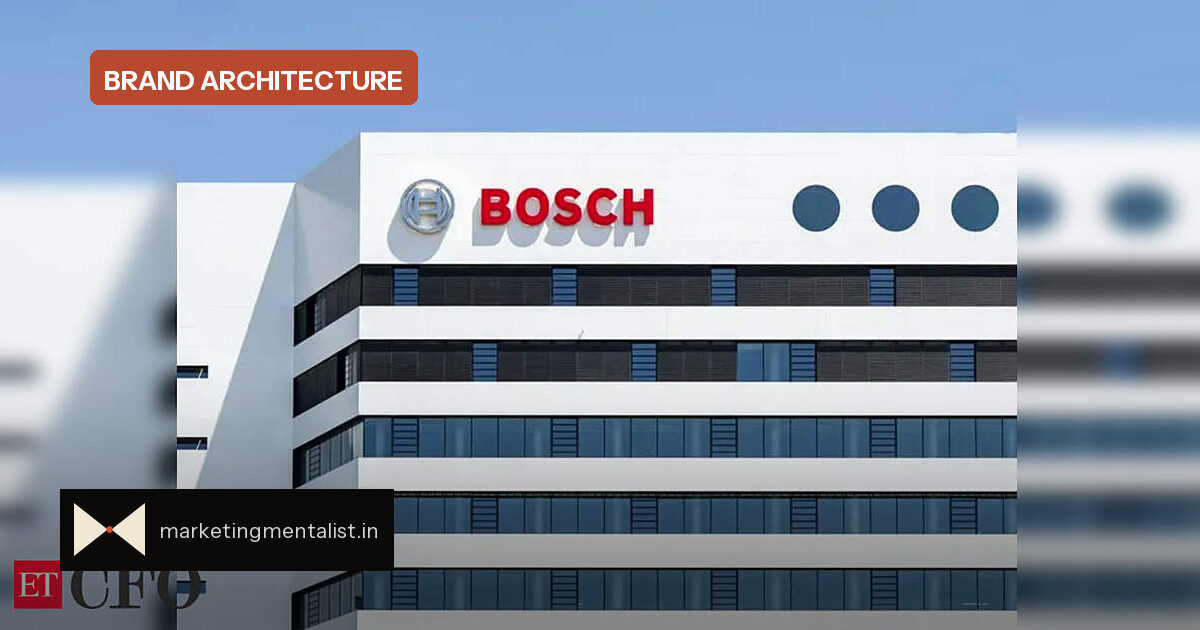
When one company sells two air-conditioner brands in the same market, the usual failure is letting them slide into each other’s price band. Bosch Home Comfort, which plans to launch Bosch-branded air conditioners in India next year, says it will not. The German group is splitting the shelf on purpose: Bosch sits at the super-premium end, while Hitachi — picked up through the August 2025 acquisition of Johnson Controls-Hitachi’s residential and light-commercial AC business — takes the mainstream and mass-premium runway.
The ambition is precise. Bosch Home Comfort India wants a “strong double-digit market share within the next two years” and a place among the top five cooling and comfort brands in the medium term, Managing Director Sanjay Sudhakaran said. Behind the push is an 80-million-euro investment, roughly ₹900 crore, for manufacturing capacity, localisation and engineering.
Two brands, two price worlds
Sudhakaran frames the split cleanly: “We will position Bosch as a super-premium category and Hitachi as a mainstream category.” That is a deliberate piece of brand architecture. The two logos will not fight over the same shopper; each owns a different shelf and a different reason to buy.
- Heritage: Bosch leans on German engineering and premium parent-brand equity; Hitachi trades on its legacy as a Japanese air-conditioning specialist.
- Offer: Each brand gets separate product portfolios, features and value propositions, so buyers do not compare them spec-for-spec.
- Channel: Bosch reaches consumers through Bosch and BSH-branded stores, while Hitachi keeps its existing distribution and retail network.
Why the tiered split works
This is a classic premium-plus-mainstream ladder. A super-premium Bosch raises the ceiling on what the whole portfolio can charge and protects margin; a mainstream Hitachi chases volume in a market where room air-conditioner penetration is still low and disposable incomes are rising. The super-premium brand also does quiet psychological work: it makes the mainstream option feel like the sensible, attainable choice, while pulling aspirational buyers upward. In a fast-growing category, two clear price worlds often beat one blurry master brand.
Shared back end, split front end
The economics make the strategy credible. Bosch Home Comfort’s Kadi plant in Gujarat has annual capacity of more than 10 lakh AC units, around 75 per cent of procurement is domestic, and the group now makes Hitachi VRF systems there. As Sudhakaran put it, the company can “synergise all the backend” while differentiating the front end by product, features and channel.
What marketers can steal
The lesson is discipline, not just structure. Separate the tiers by price and story, give each brand its own heritage, and share distribution, service and R&D behind the scenes. The trap is execution: one discount can drag the premium badge into the mainstream aisle and undo the entire architecture.
Source: ETCFO.com