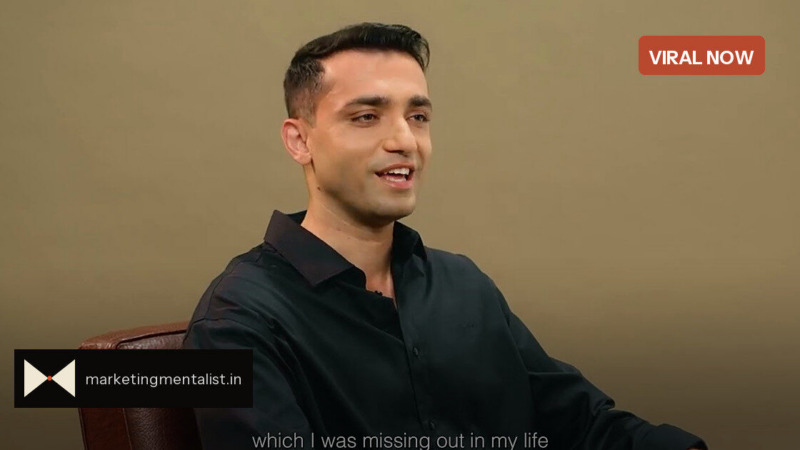
Redmi turns phone mishaps into crimes with Anup Soni
Redmi's four-part Note 17 Pro campaign casts Anup Soni as a Crime Patrol-style host who flips phone mishaps into playful offences.

The ad in one paragraph
Redmi India’s four-part campaign for the Redmi 17 Pro and Redmi 17 Pro Max features actor and host Anup Soni alongside creators Anuj, Haardik, Govind and Ruhee. The films take ordinary phone behaviour—accidental drops and rough handling, marathon binge-watching, heavy multitasking and gaming, and constant shooting for social media—and treat each one as a fictional offence in a “Crimes Against Phones” series. Soni’s familiar Crime Patrol-style seriousness does the framing, but the message is inverted: “Na Savdhaan raahein, na alert rahein.” The work was created with Idiotic Media and aimed at younger, digital-first phone buyers.
The levers it pulls
Pattern interrupt. Anup Soni’s voice already means something has gone wrong for an entire generation. The campaign borrows that cultural cue and reverses the warning. The line keeps the shape of a caution but tells users they do not need to be cautious, so the brain stops and re-reads the message before the product claim arrives.
Social proof through creator casting. The four creators play out the habits being “investigated”—binge-watching, gaming, creating content, rough handling. That makes heavy use look normal rather than reckless. When a familiar face demonstrates the behaviour, viewers are less defensive about the product pitch that follows.
Humour as memory. The deadpan crime framing makes each feature claim distinctive. The joke is not decorative; each one links a behaviour to a specific capability—durability, battery and charging, performance, or camera—so the entertainment carries the message instead of burying it.
What it does for the brand
It moves Redmi’s feature-led story into social currency. The campaign attaches the Note 17 Pro series to resilience, long battery life, performance and camera quality through situations people already recognise. By making the phone the hero that can survive these “crimes,” Redmi reframes durability and power as everyday consumer value rather than spec-sheet claims.
Ritij Khurana, associate director of marketing at Xiaomi India, positions the work as an intersection of cultural relevance, consumer behaviour and product truth. Sankalp Samant of Idiotic Media frames the flip another way: instead of warning people, Soni encourages them to do their worst to the phone.
What to borrow for your next campaign
Start with a cultural signal your audience already reads instantly, then reverse its intent. Here, a warning voice becomes permission. The specific moves:
- Use a recognisable persona and catchphrase; do not explain the reference.
- Make the reversal mean something: caution becomes capability, not just a gag.
- Pair the familiar host with creators who ground the behaviour in everyday life.
- Tie every joke to one product truth so the spoof sells the phone, not just the parody.
The larger lesson: a feature story should travel like entertainment, not like an ad. That happens only when the humour resolves into the product claim, as it does here with durability, battery, performance and camera.
Watch the original: Redmi on YouTube
Source: Afaqs!