
Only 12% expect pay to beat inflation in 2023
Ipsos's 36-country study finds only 12% expect an inflation-beating pay rise, while 7 in 10 expect higher bills—changing how people buy.
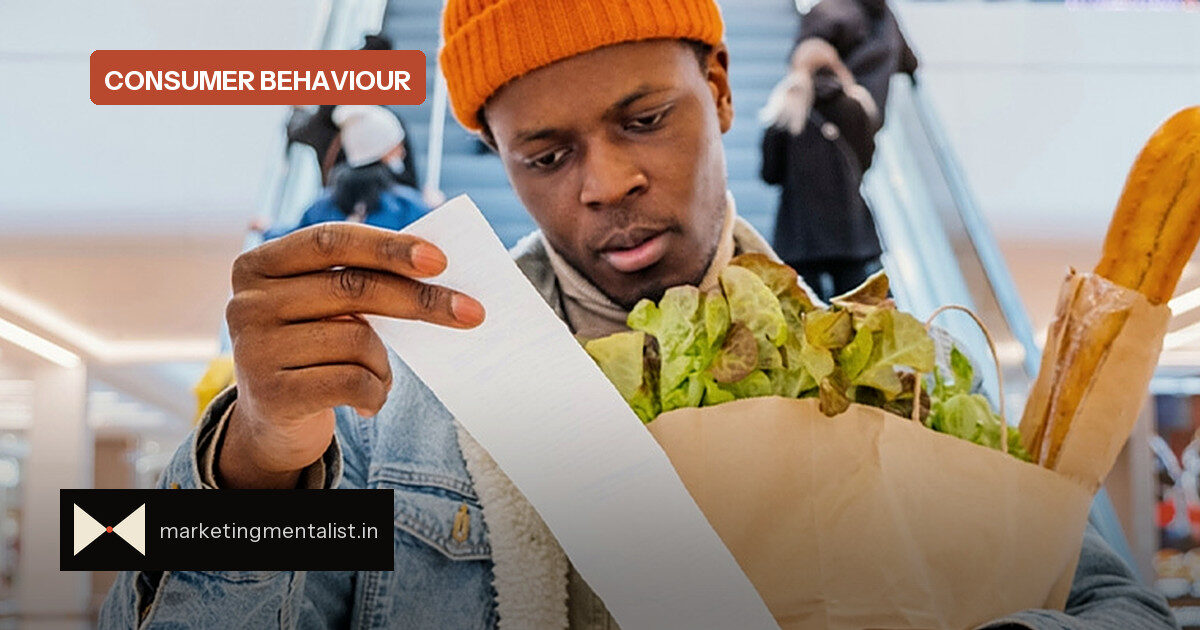
Ipsos’s 36-country study, with local expert reads from India, France, Turkey, Argentina, Brazil and Malaysia, caught a shift that marketers cannot afford to treat as purely economic. Inflation has moved from a second-order worry to the central consumer issue within months. More than seven in ten people expect to pay more for utilities and shopping in 2023. Only 12% expect a pay rise that matches or beats inflation. The share who think unemployment will play a bigger role in 2023 is also growing. The gap between those two numbers is where buying behaviour changes.
Expectations drive behaviour before prices do
People rarely respond to inflation as an abstract number. They respond to what they expect to lose. When households believe they will be worse off in the near future, they start trading down, delaying purchases and questioning loyalty before their income actually falls. Europe is noticeably more pessimistic about living standards than Asia and Latin America, so the global consumer is not one mood but several.
The report names the broader backdrop a polycrisis: interacting crises whose combined harm is greater than they would cause in isolation. After the pandemic, that means consumers can no longer rely on the certainties of the recent past, and are already planning for a tighter 2023.
Two consumer responses, not one
The study is most useful when it shows that consumers are not all doing the same thing. Many are cutting back. Others are starting side hustles or taking second jobs to protect their spending power. A useful behavioural lens here is mental accounting: people often treat side-hustle income as separate from salary income, which can make some categories more resilient than a simple consumer-is-squeezed story suggests.
For a brand manager, that means the market may contain cutters, switchers and maintainers at the same time. Segmenting by response beats segmenting by income alone.
What to do about it
- Track inflation sentiment by market, not by global headline.
- Identify which segments are cutting back, switching, or earning extra to maintain spend.
- Build certainty into your messaging: clear pricing, honest reasons for increases, and value tied to what they already prioritise.
- Avoid blanket discounting; it can signal panic and train customers to wait for the next deal.
When every purchase feels like a decision under pressure, the brands that reduce perceived risk—not just price—are the ones that keep the customer.
Source: Ipsos


