When a First Video Call Home Becomes Shared Nostalgia
Collective nostalgia turns a private milestone into a shared reference. The first video call home shows how brands get embedded without being the hero.
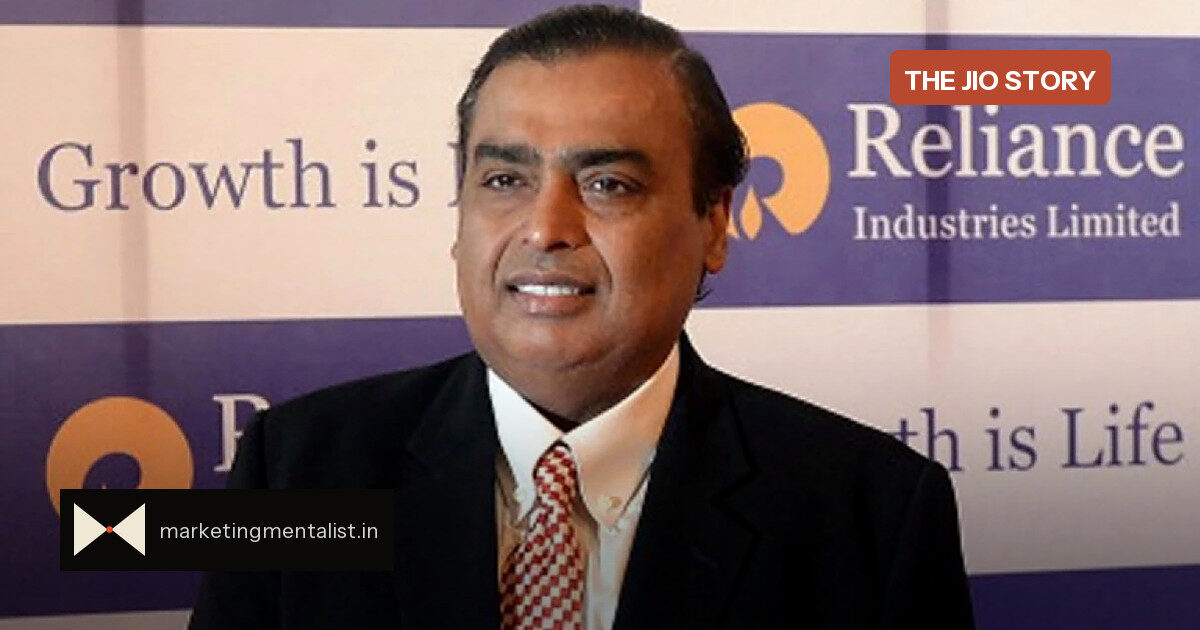
In 2016, Jio launched with the Welcome Offer: unlimited 4G data, voice, video and apps (Reliance Industries). The practical change was obvious. Within 170 days, the company reported 100 million subscribers (Reliance Industries Integrated Annual Report 2016-17). But the memory people keep retelling is not a tariff. It is ‘my first video call home.’
That gap—between what a brand launched and what people remember—is the story. A first video call home is private in detail but public in shape. One person remembers a mother holding the phone too close. Another remembers a roommate leaning into frame. The specifics differ; the emotional sequence is the same: surprise, recognition, a little laughter, then the quiet thought that distance had just shrunk.
Why a first becomes a shared memory
Collective nostalgia works when many people believe they lived through the same transition, even if they never met. The 2016 data moment works this way because it has a clear before and after. Before, data was rationed. After, the question India asked moved from ‘How much does data cost?’ to ‘What can we do with data?’
Marketers miss the point when they treat this as a campaign memory. It is a shared reference point. People do not recall an ad; they recall what they finally did. The brand sits in the background as the enabler, not the subject.
The mechanics of a shared memory
- Self-referential retelling: people share their own version, which keeps the memory alive.
- Emotional contrast: remembered scarcity makes the present feel like progress.
- Cultural portability: the story travels across languages and regions because the feeling is universal.
- Low-defence processing: nostalgia softens the audience before any brand claim appears.
Brands build scaffolding, not scripts
Shared memories are not manufactured by a punchline. They are enabled by making a moment possible and then letting millions of people complete it in their own words. The marketer’s job is to create the stage: an offer, a service, a device, a reason to call. The audience writes the scene.
That is why ‘my first video call home’ still works as nostalgia. It belongs to the caller, not to the network. A brand that tries to over-own the memory will sound as if it is claiming someone else’s childhood. A brand that holds the stage lightly becomes part of the story without being the story.
The next first, not the last campaign
For a marketer, the useful question is not ‘How do we recreate 2016?’ It is ‘What is the next first we can genuinely enable?’ Shared memories accumulate when a brand removes a constraint people had accepted as normal: the cost of a call, the distance from home, the fear of using data.
Today Jio serves 524 million+ customers (Reliance Jio Infocomm, March 2026; company-reported), and its ecosystem spans connectivity, entertainment, commerce, payments, devices, cloud and AI (Reliance Industries 48th AGM, August 2025). The numbers describe scale; they do not explain attachment. Attachment comes from the moment when the service stopped being a category and started being personal infrastructure.
The reason brands build on shared memories is simple: a shared memory is a low-defence entry point. It says ‘you were there’ before it says ‘we did this.’ Most marketing asks for attention; a shared memory already has it.