Jio Story: The Dal Question That Makes AI Feel Like Home
When Mummy asks an AI for a dal recipe, Jio's 5G, cloud and AI priorities stop sounding like infrastructure and start feeling like a home habit.
For years, this series has tracked how a network became a habit. The question India asked moved from “How much does data cost?” to “What can we do with data?” That shift sets up the next one: what happens when the technology itself stops needing an explanation?
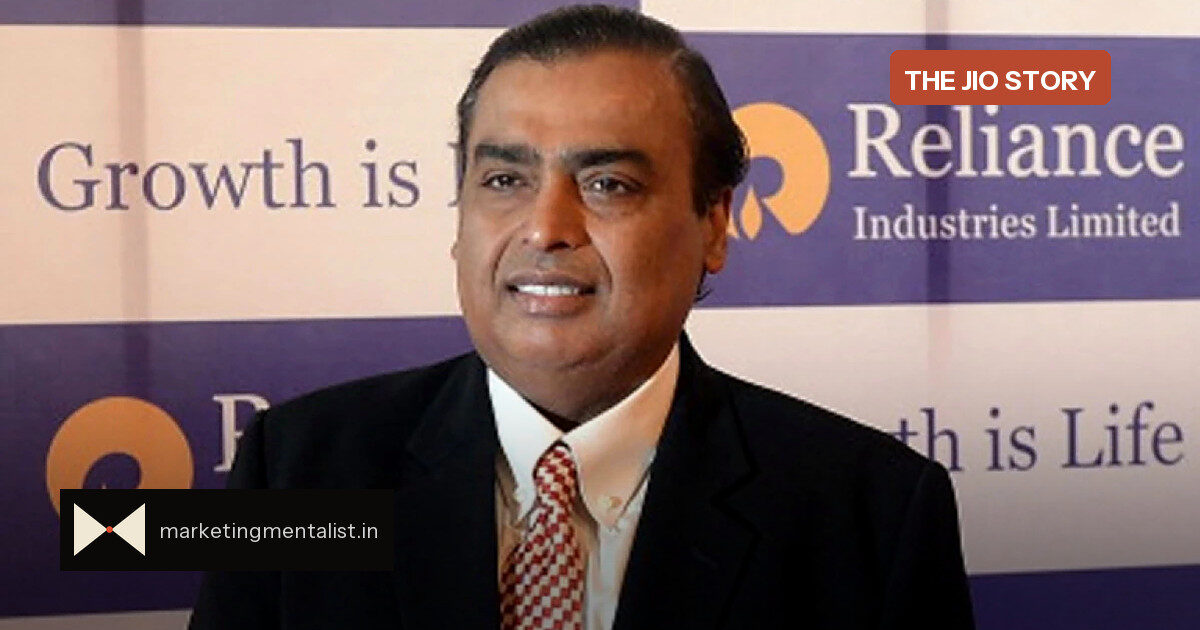
Jio’s current ecosystem spans connectivity, entertainment, commerce, payments, devices, cloud and AI, according to Reliance Industries’ 48th AGM in August 2025. Its stated priorities are to connect every Indian, bring digital services home, digitise businesses, and make “AI Everywhere for Everyone.” By March 2026, the company reported serving 524 million+ customers (Reliance Jio Infocomm, March 2026; company-reported). None of that sounds like a kitchen conversation—until you put it into one.
The dal recipe test
Imagine a mother in a small Indian kitchen. She has dal, tomato and a little paneer. She does not ask about latency, edge computing or spectrum. She asks what she can cook right now. In a future-friendly home, the answer comes through a phone, a screen or a speaker: a simple recipe, adjusted for what is already in the kitchen.
That is the entire 5G, cloud and AI story compressed into one moment. 5G is the speed that makes the answer arrive before the pressure cooker whistles. Cloud is the memory that remembers the family’s spice levels and the last dish everyone liked. AI is the helpful voice that turns ingredients into a plan.
- 5G becomes invisible: speed is felt as an instant answer, not a spec.
- Cloud becomes memory: preferences, past meals and small choices are recalled.
- AI becomes a helper: it does not lecture; it assists inside a familiar routine.
Why familiar beats impressive
Marketers often explain new technology by making it sound powerful. But consumers do not adopt power; they adopt ease. The dal recipe works as an anchor because it borrows trust from an existing ritual. When a mother asks AI for help with dinner, she is not being asked to learn a new category. She is being shown that the future fits into the life she already has.
This is a classic adoption cue: the less a new tool asks people to change, the more quickly it feels like theirs. Jio’s early moment in 2016—unlimited 4G data, voice, video and apps under the Welcome Offer, per Reliance Industries—was a similar reset. It reached 100 million subscribers within 170 days, company-reported, per Reliance Industries Integrated Annual Report 2016-17. The offer did not ask people to imagine data; it removed the meter.
The brand lesson: start from the habit, not the infrastructure
For brand managers, the takeaway is to place future technology inside an everyday scene before explaining its architecture. A kitchen counter is a positioning device. A mother’s question is a use case. A remembered recipe is a proof point.
Jio’s stated priority of “AI Everywhere for Everyone” only becomes meaningful when someone can see herself in it. If the demo starts with Mummy’s dal, the brand is no longer selling infrastructure. It is selling a household that runs more smoothly.
The future may be complex, but its best marketing is simple: show the aid, not the antenna.