Forevermark’s average bill value jumps 80% to $4,500
Forevermark's average bill value rose 80% to $4,500 as India's natural diamond jewellery market grew 13.5%. Here's what drove the premium.
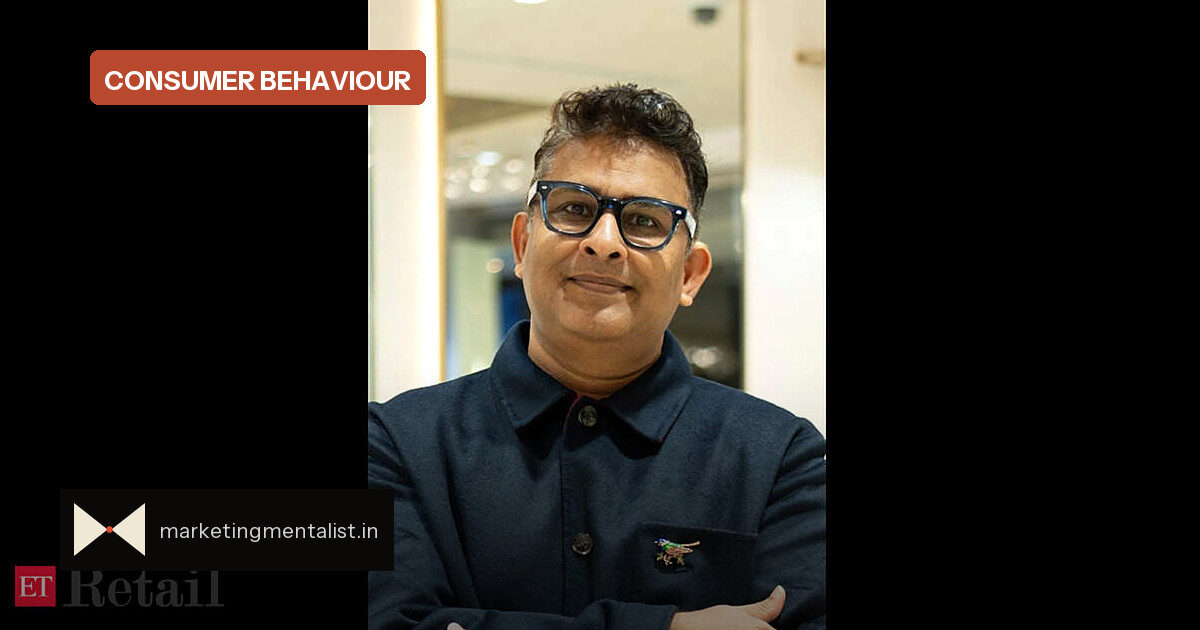
An 80 per cent jump in average bill value is a signal, not a numerical fluke. Forevermark, the natural diamond jewellery brand owned by De Beers India, says its average ticket rose from an anticipated $2,500 to $4,500 as it shifts from a diamond-supply model to a consumer-facing retail business.
The natural diamond segment is outpacing the market
The brand launched its retail identity in September 2025 and expects the current financial year to close at roughly $8–8.5 million, or about Rs 85 crore, from a retail business that began at zero. That early traction is set against a jewellery market worth around $90 billion, where natural diamond jewellery accounts for $9.2 billion.
According to Mallikarjuna Reddy Yarabolu, managing director of Forevermark at De Beers India, the broader jewellery market is growing at 10.5 per cent while natural diamond jewellery is expanding at 13.5 per cent. In other words, the category the brand chose to focus on is growing faster than the market around it.
Why the basket is getting bigger
This is not a discount story. It is a trust story.
- Rarity is visible: only around 1 per cent of the world’s diamonds qualify for Forevermark.
- Time in store is high: buyers spend 45–50 minutes before purchase.
- Conversion is already strong: store conversion is 29 per cent, with a goal of 40 per cent.
For marketers, this is a classic high-involvement purchase: expensive, occasional and risk-heavy. When buyers are uncertain, they look for provenance, inscription and a sourcing journey—not a lower price.
Tier-2 proof, not a metro exception
Patna has become a useful proof point. Yarabolu said he does not see a major difference between the purchasing power parity of Patna and NCR. Meanwhile, sales at the flagship Khar boutique in Mumbai have grown fivefold since the business began, and revenue rose more than 25 per cent between August and September without adding a store.
“We are very ambitious, but we work internally with a lot of humility,” Yarabolu said. The long game: $100 million in revenue and about 100 stores by 2030.
What to copy from the rollout
The company is reducing expansion costs too—store capex has fallen nearly 30 per cent from around Rs 20,000 per sq ft—without compromising materials or experience. Of the 10 existing stores, six are company-owned and four franchised; the next three will all be franchised, moving towards one-third owned and two-thirds franchised.
Yarabolu framed the larger ambition as “India to the world,” with India becoming the proving ground for an international rollout.
Source: ETRetail.com