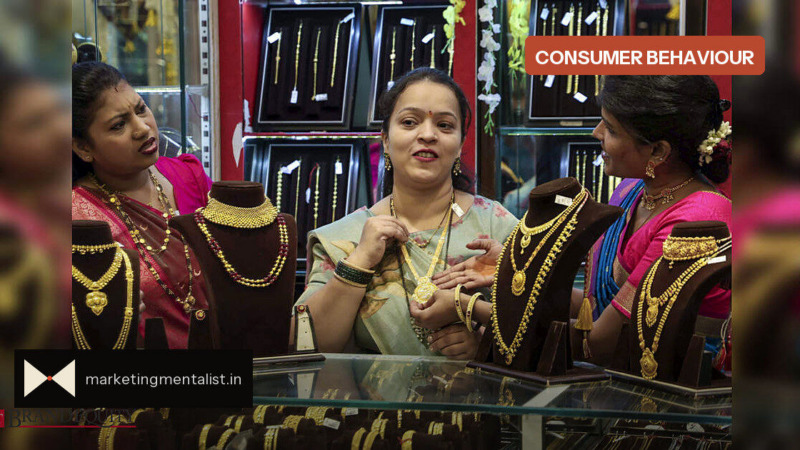
Dussehra Gold Volumes Fell 25% While Values Rose 30-35%
A Langoor and Quilt.AI study finds Dussehra shoppers kept rituals but shrank the purchase: gold volume fell 25% while value rose 30-35%.
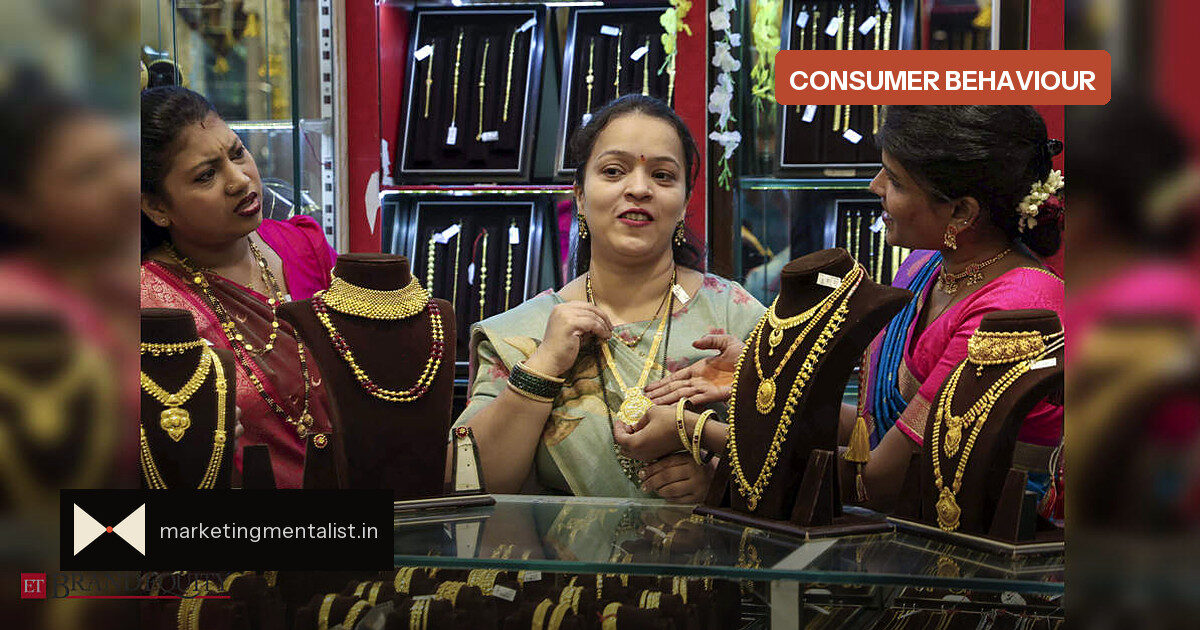
When gold prices hit record highs this Dussehra, Indian shoppers did not walk away from tradition. They changed the size of the purchase. A joint study by digital agency Langoor and AI insights platform Quilt.AI, covering Delhi, Mumbai, Bengaluru and Hyderabad, has put a name to the move: the “compressed purchase.”
The insight matters far beyond jewellery. It tells brand managers how consumers reconcile rising costs with emotional commitments.
The trend in numbers
Gold purchase volumes fell 25 per cent across the key urban hubs during the previous Dussehra period. Yet total transaction values rose 30 to 35 per cent because every gram now costs substantially more. The same shopper is spending more money on less gold. In Hyderabad, trade-ins of old jewellery accounted for 50 to 60 per cent of festive sales. In Delhi and Mumbai, buyers increasingly chose rate-locking schemes to blunt price swings.
Those behaviours signal a budget-conscious consumer who has no intention of abandoning the occasion.
The psychology: protect the ritual, shrink the unit
The compressed purchase is not a story of fading demand. It is demand being re-packaged. Consumers preserved religious obligations by shrinking the unit: pre-booking lightweight 14- to 18-karat jewellery, buying fractional gold coins, or choosing digital gold over heavy ornamental sets.
This is the consumer-side cousin of shrinkflation. Instead of the brand reducing grams, the customer willingly selects a smaller or less expensive format to protect the ritual. The ritual is non-negotiable; the size is flexible.
In behaviour terms, identity-linked purchases get special protection. Consumers cut quantity, package format and payment method before they cut tradition.
- Ritual demand is sticky. Buyers adjust the unit before they skip the occasion.
- Old gold turns into working capital. Trade-ins let people fund new purchases without fresh cash.
- Price volatility drives protection. Rate-locking and pre-booking become the new reassurance.
- Fractional and digital formats lower the entry price while keeping the ritual meaning intact.
What to do about it
For jewellery brands, framing matters. Do not present lightweight or digital gold as a discount or a downgrade. Position it as a smart way to keep the tradition while managing the budget. A trade-in programme should feel like liquidity, not liquidation. A rate-locking scheme should be sold as protection, not paperwork.
The broader lesson for any marketer facing inflation: before you discount, offer a right-sized format. A smaller pack, a lighter version, a pre-paid option or an exchange route may protect both margin and relevance. The same logic fits status goods, festival kits, gifting and financial products. Consumers under pressure are often ready to compromise on quantity, not on identity.
For marketers outside gold, the compressed purchase is a lens for the next inflationary cycle. Watch for customers who want the same ritual in a more economical unit, then build the product, price and payment options that let them choose it.
Source: ETBrandEquity.com