Himalaya BabyCare Sells First-Bath Trust in 8 Languages
How Himalaya BabyCare's first-bath film uses a nurse's authority and eight languages to turn new-parent anxiety into trust—and what brands can borrow.
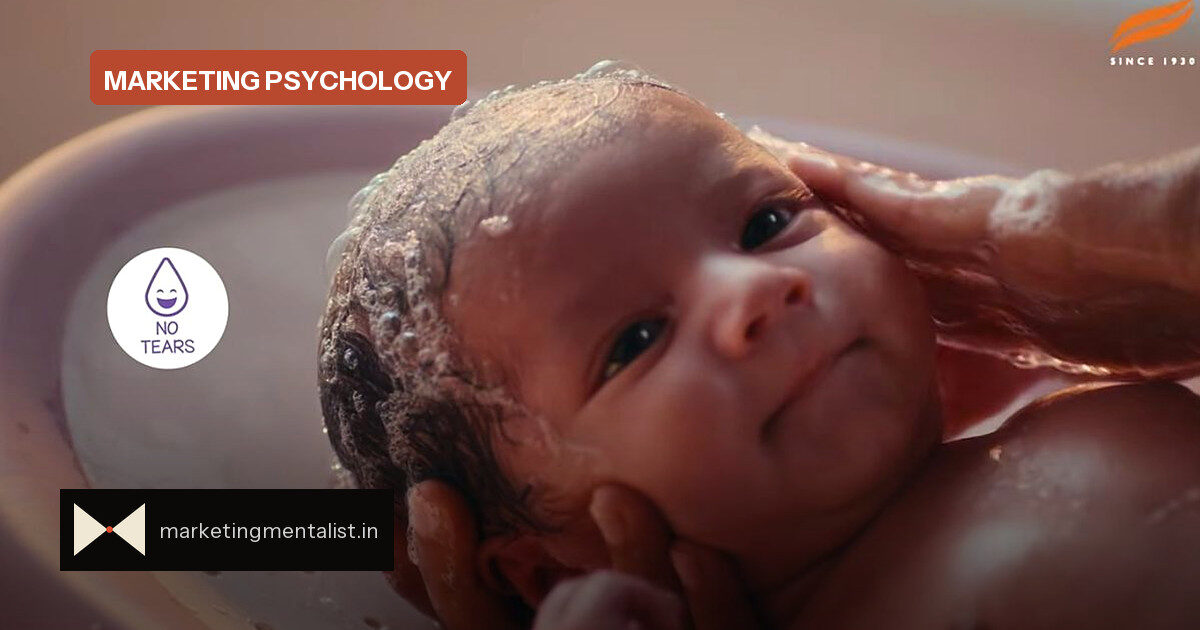
Himalaya BabyCare’s new campaign for Gentle Baby Wash does not open with a product shot. It opens with a new mother preparing to take her newborn home, worried about something deceptively simple: the baby’s first bath. When she asks a nurse for advice, the nurse recommends Himalaya Gentle Baby Wash. The brand’s bet is that this quiet conversation carries more weight than a list of claims.
The psychology: uncertainty reaches for authority
A first bath is a high-stakes, low-experience moment. New parents have no prior purchase data of their own, and the perceived risk feels enormous. In that state, people lean on expert cues rather than brand promises. A nurse is not a celebrity; she is a care-giving authority, so her recommendation feels closer to medical advice than to advertising. That is the authority heuristic at work: when the decision feels consequential, a trusted expert’s word lowers the mental cost of choosing.
This differs from social proof. A nurse is not saying “other mothers chose this”; she is using expert standing to make the decision feel safe. For a first bath, that matters because the buyer cannot see the outcome immediately—she has to believe before she can verify.
Safety proof after the trust is built
The film waits until the emotional tension is named before it loads the product facts. The wash is positioned as a no-tears, soap-free formula with a pH 5.5 balance, made with green gram and chickpea, designed to cleanse delicate skin while helping retain softness and hydration. Chakravarthi N. V., director – BabyCare at Himalaya Wellness Company, said today’s parents are “increasingly conscious of avoiding the exposure of harsh chemicals” on delicate skin and are actively seeking gentler alternatives.
Here is the sequence marketers can copy:
- Find the moment of highest uncertainty before the first purchase.
- Place the recommendation in the mouth of a credible expert, not the brand.
- Let product features appear as reassurance only after the worry is acknowledged.
- Localise the story for the languages your buyers actually think in.
Eight languages, one emotional script
The campaign has been released in English, Hindi, Tamil, Telugu, Kannada, Malayalam, Marathi and Bengali. That is more than distribution. In a category where advice often travels verbally, hearing the story in a home language makes the authority cue feel native rather than dubbed.
What this means for your brand
High-anxiety categories such as baby care, health and finance do not need louder claims; they need a trusted intermediary and a familiar context. Don’t manufacture fear; acknowledge a real worry. Then close with efficacy proof, in the buyer’s own language.
Source: Afaqs!