Swiggy’s Noice Bet: The Psychology Behind Own Brands
Swiggy’s Noice has reached 46 categories, 380 SKUs, and one in ten Instamart baskets. Here’s the behavioural strategy behind the quick-commerce own brand.
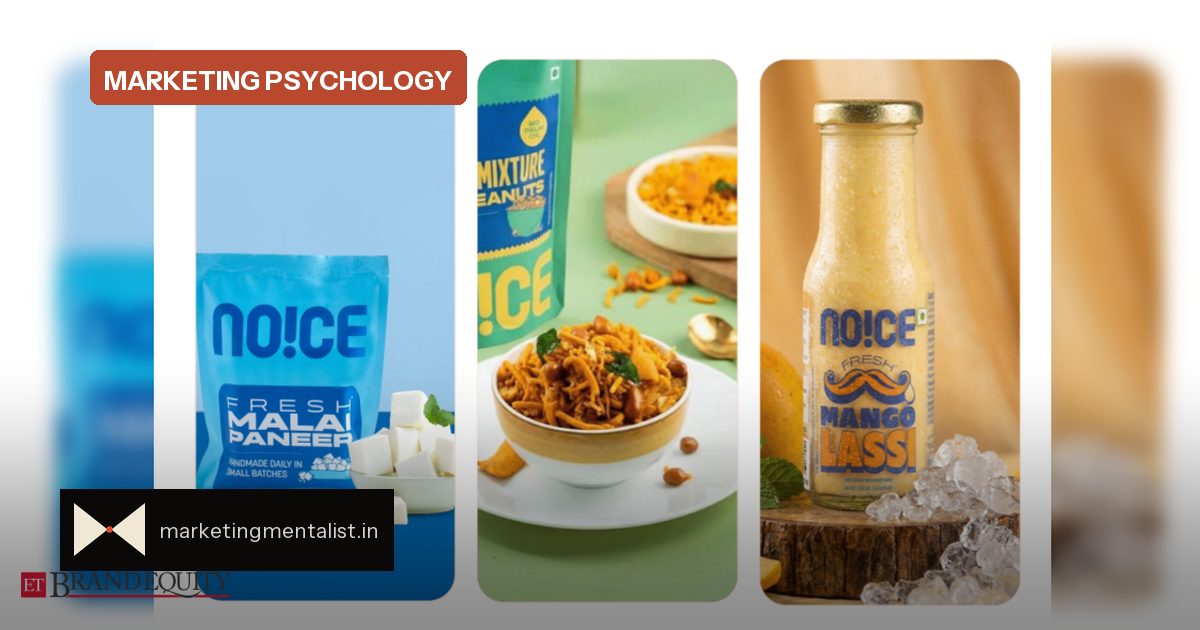
Swiggy’s house brand Noice started with a simple question: what if the biggest gaps on a quick-commerce shelf were not missing products but unresolved everyday frustrations?
From private label to problem solver
Noice launched in April 2025. By September 2026, it spans 46 categories and 380 SKUs. More than 9 million customers have bought a Noice product, and one in every ten Instamart baskets now includes it. Swiggy’s disclosures say Noice buyers return at a rate 10 percentage points higher than the platform average and order 1.5 times as often. Those are not typical private-label numbers.
Traditional retailer brands are built as cheaper substitutes. Noice is built around perceived quality improvement in daily staples — fresher paneer, cleaner ingredients, crustless bread for kids. The categories are different; the psychological promise is the same: “we noticed the annoying bit and fixed it.”
The behavioural mechanics
Noice benefits from several psychological effects at once:
- Mere exposure: The brand appears across unrelated categories, which can make it feel familiar over repeated app visits.
- Price as a trial trigger: A sub-₹100 paneer placed beside legacy dairy brands lowers the risk of trying an unknown label.
- Problem-led framing: Products are built around jobs to be done, from a parent’s crustless bread habit to a desire for cleaner snacking, not just category expansion.
- Platform stickiness by design: Exclusive access to these products gives consumers a reason to choose Instamart beyond delivery speed.
This is less about private-label economics and more about choice architecture: Swiggy is shaping what “better” means on its own digital shelf.
The bigger strategy risk
The hard part is maintaining the quality halo without drifting premium. Better ingredients, shorter shelf life and smaller batches can push costs up. If Noice becomes a premium niche, it loses the broader habit loop. If it becomes ordinary, the problem-solving promise collapses.
Swiggy’s supply chain gives it a structural edge: faster movement can support freshness, and platform data can reveal exactly where everyday dissatisfaction sits. That data advantage also extends to Nectr, the owned-brand push into fresh produce where freshness and availability matter as much as a brand name.
What marketers should borrow
Noice’s early numbers suggest a useful playbook: find the micro-pain points in commodity categories, solve one visible problem, price it as a low-risk upgrade, then use repeated exposure across the shelf to build brand fluency. Quick-commerce platforms are unusually well placed to do this because they see search, basket and repeat-purchase data before the category leader does.
Owned brands, in this framing, are not a cheaper shelf filler. They are a behavioural test bed for what “everyday upgrade” actually means.
Source: ETBrandEquity.com