
Why Bathroom Names Are a Brand Naming Masterclass
Restroom, bathroom, water closet: the euphemism treadmill shows why consumers, not brands, ultimately decide what a name means.
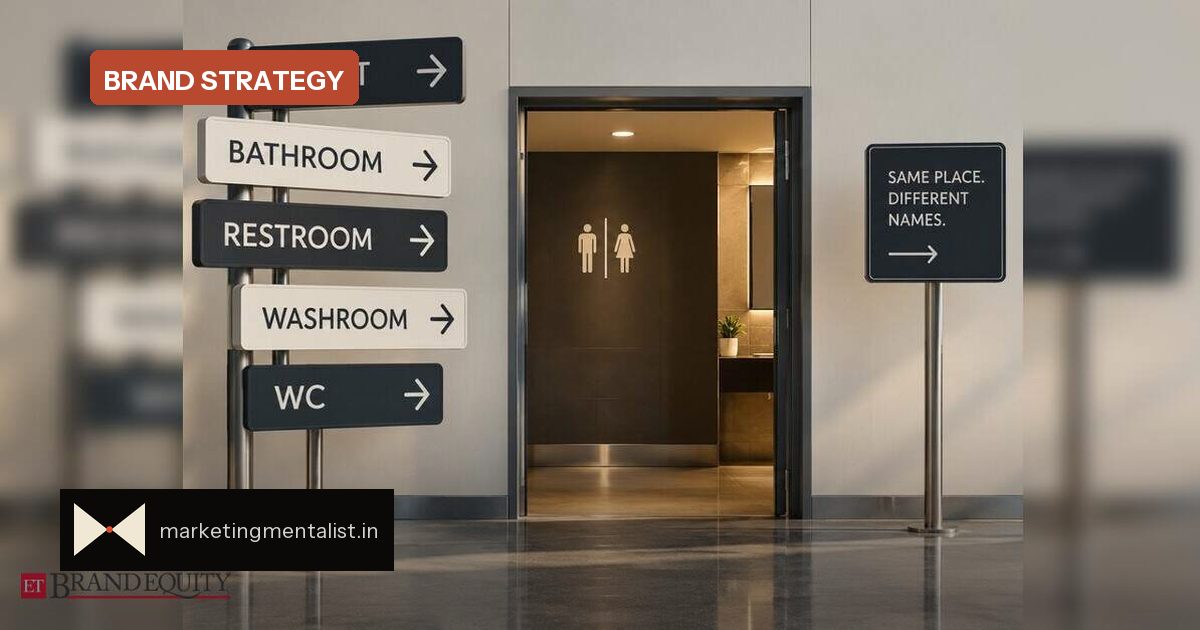
At an airport, you look for a “restroom.” At a restaurant in America, you ask for the “bathroom.” In Britain, you may encounter the “water closet” or WC. Same room, same basics: a toilet and a sink. The fact that we keep renaming it is a very human signal: when a word gets too close to something uncomfortable, we soften it. Linguists call this the euphemism treadmill.
How a grooming word became a plumbing fixture
The word “toilet” began as the French toilette, a small cloth used on a dressing table. “Making one’s toilet” originally meant getting ready: hair, makeup, perfume. Over time, the word moved from cloth to ritual, then to room, then to plumbing fixture. Victorian engineers later gave us the “water closet,” which sounded technical and clean. As tubs and toilets shared space, “bathroom” became the polite fallback—even when no one bathes there. And “restroom” survived long after the seating areas disappeared.
Names do not have to explain the product
Marketers tend to ask whether a name is descriptive, easy to pronounce, category-linked or benefit-led. The sharper question is: what could this name come to mean?
Apple is a fruit. Amazon is a river. Google was once a strange-sounding word. None of these names came with an instruction manual. The brands created the meaning through repeated consumer experience. ChatGPT is technical and slightly awkward by conventional naming standards, yet it has entered everyday language. The name became meaningful because of what people experienced, not because it explained the experience.
The euphemism trap—and the escape
For decades, uncomfortable categories hid behind soft imagery: clouds, flowers, impossibly clean bathrooms. Then brands such as Poo-Pourri, Who Gives A Crap and Squatty Potty did the opposite. They said the thing everyone else was avoiding, and the awkwardness became the advertising. The lesson: when every brand in a category uses the same polite language, a direct voice can be more distinctive than a more polite one.
What marketers should do
- Choose names with semantic room, not just descriptive precision.
- Test for stretch: what can this name mean after a thousand customer experiences?
- Audit category euphemisms—if all rivals sound polite, candour can be a positioning choice.
- Treat brand meaning as co-created. Consumers, not brand books, decide what a name becomes.
The consumer owns the meaning
You can launch with a carefully constructed brand world, but once a name enters real life, consumers start assigning meaning. Some names that looked odd or meaningless at launch become powerful because meaning accumulates through experience. The bathroom’s many names are not a mess; they are framing. “Water closet” made the room technical, “bathroom” made it domestic, “restroom” made it comfortable. That is what marketing does—reframes the same mechanics into something people can accept, desire or laugh about.
So the next time you see a “restroom,” remember: nobody rests there. But the word won because people gave it meaning. The real naming question is not what your name means today. It is what you can make it mean tomorrow.
Source: ETBrandEquity.com