Titan’s 1987 Ad That Made Watches Gifts
How Titan’s 1987 ‘Times of Your Life’ ad reframed watches as emotional gifts, using mental accounting, signalling and memory.
The ad, and when it ran
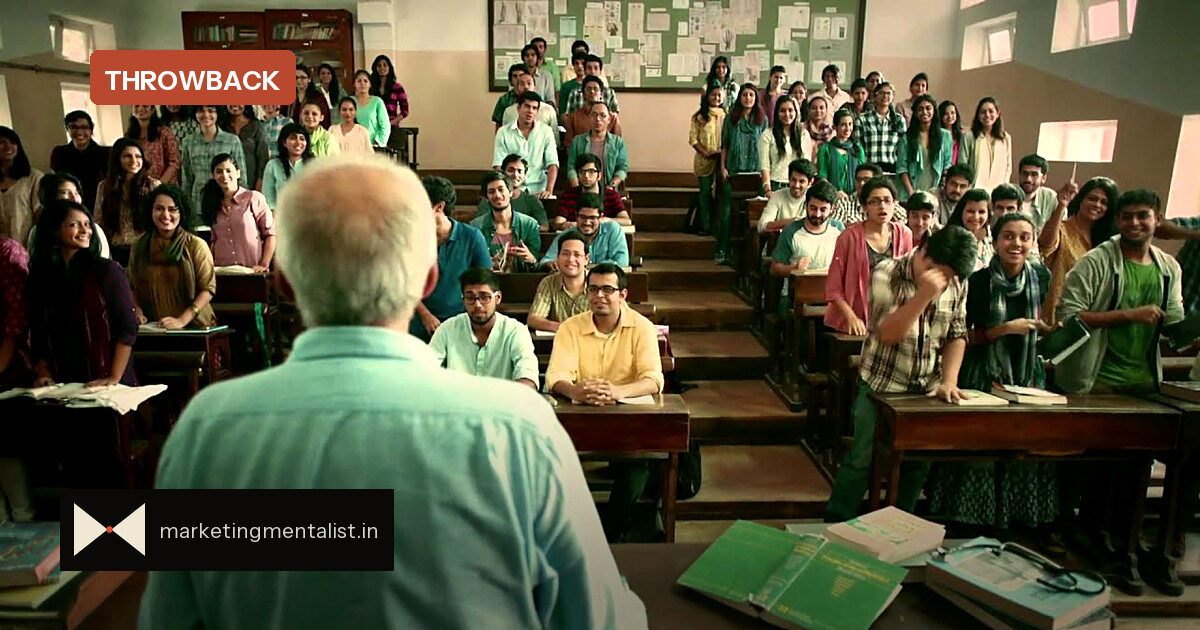
In 1987, Titan entered an Indian watch market that mostly sold timekeeping. The film often remembered as the Joy of Gifting ad pushed a different idea: a watch is not something you wear to know the hour, but an object that holds a moment. The ad ran during Titan’s launch and early brand-building years.
That positioning arrived when quartz technology was reshaping watches. Titan didn’t lead with accuracy, straps or slim cases. It led with emotion, and the tagline The Times of Your Life did the heavy lifting. The campaign didn’t just introduce a watch; it introduced a reason to give one.
The levers it pulled
Three behavioural principles do most of the work.
- Mental accounting. The film moved the watch out of a utility budget and into a relationship budget. People treat money differently depending on the mental account it comes from. A watch bought to mark a first job, a graduation or a wedding feels justified in ways a I need to know the time watch does not.
- Signalling. A watch is visible, wearable and durable. The film made Titan a signal of taste, care and permanence — something a giver could hand over and a wearer could display. It turned the product into proof of a significant bond.
- Rosy retrospection. The line The Times of Your Life primes people to evaluate the product as a memory container. The ad supplied the warm glow of milestone moments, so the watch inherited that feeling.
In practice, the film showed life-stage gifting rituals rather than a product demonstration. That choice made the emotional benefit impossible to miss while the watch stayed at the centre of each moment. Mental accounting works because the same price can feel extravagant in a utility frame and generous in a relationship frame.
What it did for the brand and the culture around it
Titan quickly became a brand people named during gifting conversations. A watch purchase in India had often been functional; after this, a Titan was a legible gift for first salaries, exams, weddings and anniversaries. The campaign is credited with helping Titan build the emotional platform that made it one of India’s leading watch brands.
It also changed the cultural meaning of a watch for the Indian middle class. A Titan was affordable enough to be bought, yet special enough to be presented. That let the brand move from a launch-year product to a lasting part of family memory. Titan’s advertising taught a generation to mark time by what they were doing, not by what the dial said.
What still works today, and what would not
The core insight still works: sell the meaning, not the mechanism. Occasion-based framing remains one of the most dependable ways to reduce price sensitivity. Jewellery, eyewear, smartphones and even insurance marketing now use milestone positioning. The deeper rule hasn’t changed: consumers pay more easily when the purchase feels like it belongs to a relationship, not a routine.
What would not work is the pacing. The original montage style was built for a slower television era. Modern feeds demand a sharper hook, faster cuts, and clearer product payoff within seconds. Brands that copy the broad sentiment without the ritual often end up with warm, forgettable work. The sentiment is timeless; the execution would need to move.
Watch the original: Titan on YouTube