Cord-Cutting Is Slowing. Bundling Psychology Explains Why
US pay-TV losses are decelerating as cable operators bundle streaming apps. The behavioural science of bundling, friction and why cord-cutters never really left.
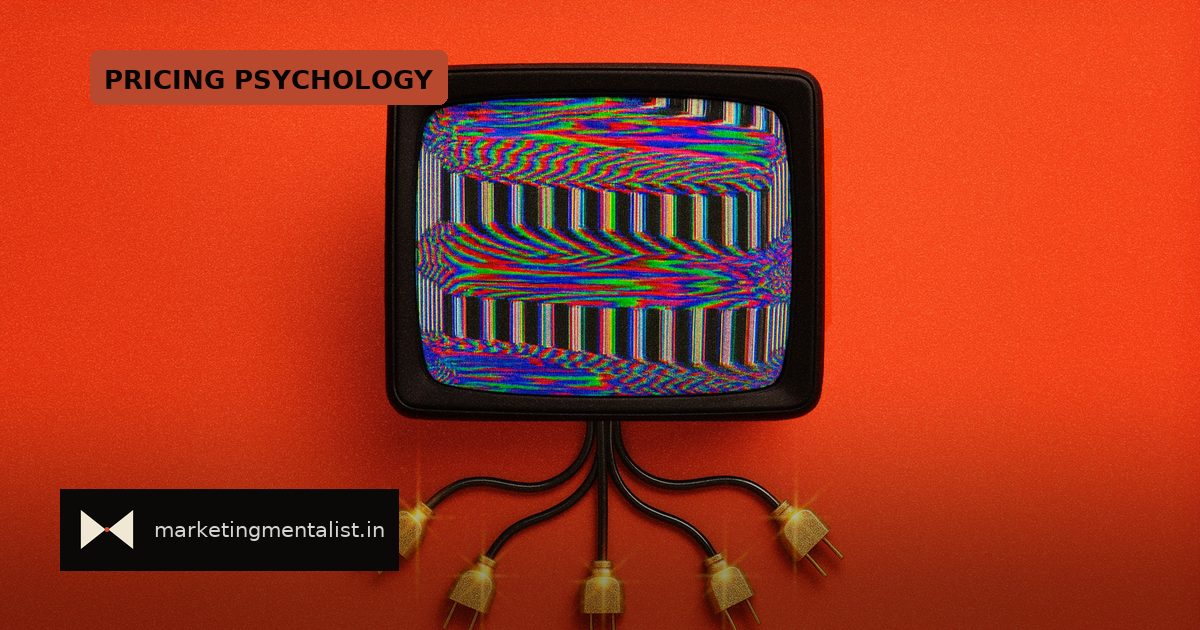
For a decade, cord-cutting was told as a story of liberation: consumers escaping the bloated cable bill for the clean, cheap freedom of streaming. New data suggests the plot has quietly changed. People are still ditching the cable box — but not, it turns out, cable television.
What the numbers actually say
Digiday’s latest Future of TV Briefing pulls together an interesting picture. More than 30% of US households are now streaming-only, according to the Advertising Research Foundation’s DASH TV Universe study — meaning a majority still have access to traditional TV in some form.
And the bleeding is slowing. Comparing second-quarter 2026 results with a year earlier:
- Charter lost 21,000 pay-TV subscribers, versus 80,000 a year ago.
- Comcast lost 280,000, versus 325,000.
- EchoStar lost 241,000, versus 261,000.
Charter’s turnaround is the striking one, and the company itself credits “simplified pricing and packaging” plus the inclusion of programmers’ streaming apps in its expanded basic video packages. In plain terms: Charter started stuffing ESPN Unlimited, Fox One, Paramount+ and Peacock into the cable subscription. Suddenly, staying was cheaper than leaving.
The psychology: unbundling only wins until re-bundling gets cheaper
Consumers never wanted “streaming.” They wanted lower cost, less friction and more control. Cutting the cord delivered all three — briefly. Then subscription stacking arrived: five apps, five renewal dates, five price hikes, five sets of login credentials, and content scattered so widely that finding a show became a chore.
Behavioural science has names for what happens next. Choice overload makes a growing menu feel worse, not better. Decision fatigue means every monthly “should I keep this?” costs mental energy. And pain of paying is sharpest when charges are frequent, separate and visible — five bills hurt more than one bill of the same size, because each is a fresh little wound.
A bundle anaesthetises all of it. One price, one date, one decision. That is why the bundle is the most reliably underrated pricing move in any category, not just TV.
The receipts: cord-cutters keep buying cable-like things
Look at what people do after they cancel. Antenna’s research cited by Digiday found 72% of cord-cutters already subscribe to some streaming service, and 31% sign up for a new one within a month of cancelling. The winners skew towards premium tiers carrying live sport — Paramount+ premium with CBS sports broadcasts, Peacock premium with “Sunday Night Football,” the NBA and Olympics.
Better still: S&P Global Market Intelligence Kagan data shows 47% of cord-cutters and cord-nevers hold a streaming pay-TV subscription, and 20% still pull in broadcast TV over free over-the-air signals.
Translation: they didn’t reject the product. They rejected the packaging, the price and the hardware.
What marketers should take from this
This is not just a TV story. It’s a template for any subscription, D2C or membership business.
- Sell the simplification, not the discount. Charter’s language was about “simplified pricing and packaging” first. Cognitive ease is a benefit worth paying for.
- Audit your churn triggers. Most cancellations aren’t rejections of value; they’re rejections of admin. Consolidate billing dates, kill surprise renewals, make the price legible.
- Find your live sport. Every category has an anchor product people won’t give up. Build the bundle around it, then let everything else ride along.
- Watch behaviour, not stated preference. Consumers said they wanted à la carte. Their wallets said they wanted one manageable bill.
The bigger lesson
Categories don’t unbundle and stay unbundled. They oscillate. Unbundling wins when incumbents get lazy and overpriced; re-bundling wins when the fragmented alternative becomes exhausting. The strategic question for any brand is simply which half of that cycle you’re standing in right now — and whether your pricing page is designed for the last phase or the next one.
Meanwhile, an adjacent number from the same briefing is worth pinning up: minutes of ads per hour on major streaming services rose 18% this year. The ad-free promise that powered cord-cutting is eroding too. Consumers notice.
Source: Digiday