How Vianaar Sells Slow Living, Not Homes
Vianaar's new brand film uses Goa's Susegad philosophy to sell slow living through carrom, cycling and sunsets. Here's the positioning lesson.
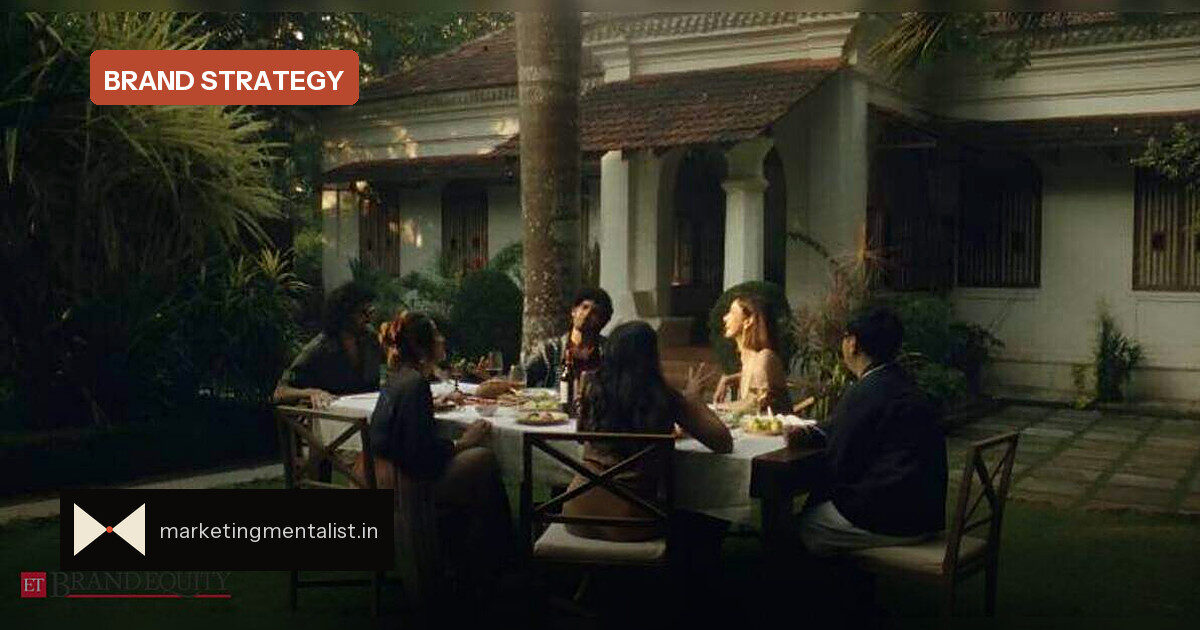
Most real estate communication leads with location, floor plans and finishes. Vianaar’s new brand film takes the opposite route. The camera rests on friends playing carrom, cycling through quiet neighbourhoods, swimming, sitting in courtyards and watching the sun go down.
That mood is Susegad, a Goan philosophy of slow, contented living. In the film, Vianaar’s homes appear less as product and more as a doorway to time with loved ones, birdsong, natural light and open space.
Selling Tuesday evenings, not square feet
Varun Nagpal, founder and CEO of Vianaar, described the brand’s way of life as one "where there is time to slow down, connect with nature, spend meaningful moments with family and friends, and truly enjoy everyday living." That is a feeling, not a specification.
For marketers, this is a classic emotional positioning move. A buyer of a holiday or second home is not just comparing carpet area. They are asking whether daily life can feel different here. When location, price and elevation are easy to compare, an emotional or cultural association becomes the differentiator.
Why the house is not the hero
The film is notable for what it leaves out: no drone tour of facades, no glossy kitchen island, no list of amenities. The environment and the community carry the story; the house is a supporting actor.
Feelings are remembered with more sensory detail than feature lists, so a brand film that sells a lifestyle can travel further. It also gives Vianaar room to borrow cultural equity from Goa rather than compete only on construction quality.
A framework you can borrow
This is a simple version of "sell the feeling, not the feature." To use it:
- Find an existing cultural or emotional idea your audience already trusts.
- Show it through three or four everyday moments, not through claims.
- Reduce the product to context or proof of the feeling.
- Use sensory cues—light, sound, texture—to make the feeling tangible.
The wider lesson for Indian brands is that regional cultural capital can become a positioning moat. A D2C brand, a travel company or a real estate player can use local craft heritage, food memory or a city’s temperament to build meaning that competitors find hard to copy.
Source: ETBrandEquity.com