The Psychology Behind Tata Sky’s Jhingalala Jingle
A mid-2000s DTH launch turned installation into a cultural catchphrase. Here are the behavioural levers that made Jhingalala impossible to forget.
The ad and when it ran
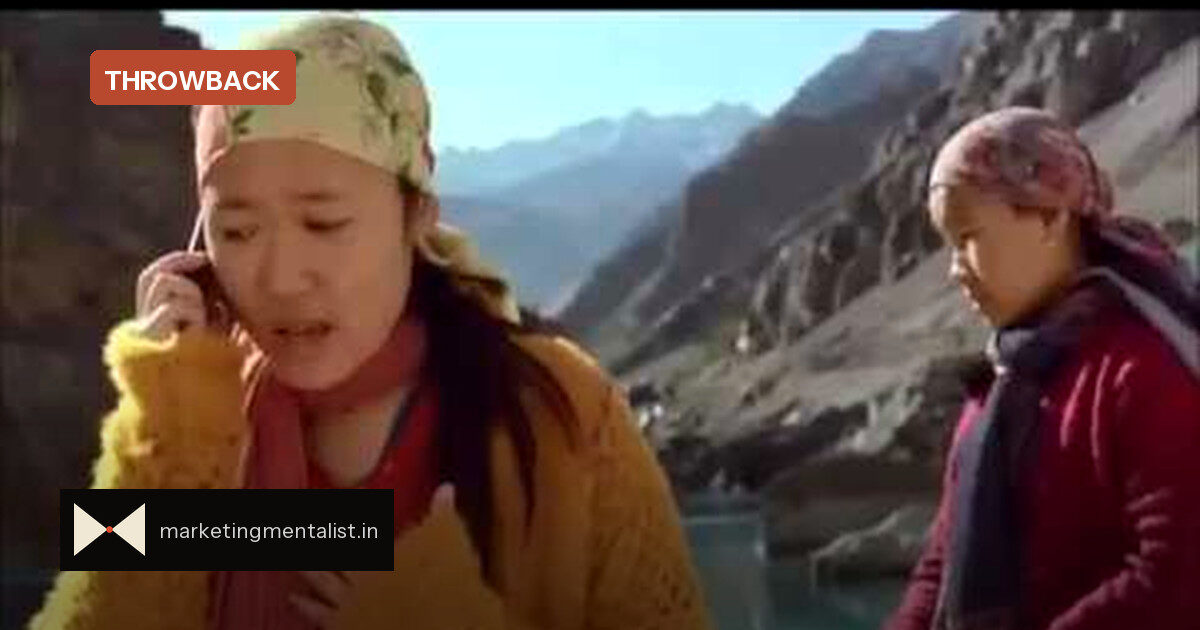
Tata Sky entered India in the mid-2000s, when direct-to-home television was still a considered purchase. The launch-era campaign, built around “Isko Laga Dala To Life Jhingalala”, had a simple job: make a dish connection feel less like home infrastructure and more like an instant upgrade to the household’s mood.
The film treats Tata Sky as a switch that flips ordinary life into something lighter. The jingle spreads through a neighbourhood, and the phrase becomes the sound of that change. It does not sell channels, picture quality or installation speed. It sells the feeling of being the household that has already switched.
The levers it pulled
Three behavioural principles did the heavy lifting.
- Processing fluency. “Jhingalala” is phonetically soft, rhythmic and easy to repeat across Indian languages. The easier a phrase is to process, the more true and familiar it feels. Tata Sky turned a technical category into a sound people could say without thinking.
- Social proof. The film shows the line passing from one person to the next, making the switch visible and contagious. If everyone around you seems to be singing it, choosing Tata Sky starts to feel like the normal, low-risk decision.
- Emotional contagion. The campaign links the product to other people’s joy rather than to product specs. Viewers do not just hear that life improves; they see and hear the lift, which makes the benefit feel automatic.
What it did for the brand and the culture around it
The line became a catchphrase that outlived the media plan. People used it to describe upgrades, marriages, small wins, or anything that suddenly made life better. That is a rare outcome for a subscription utility.
The campaign gave Tata Sky what behavioural scientists call mental availability: when consumers thought of DTH, the brand was the first to come to mind. More importantly, the jingle made the brand feel warm and participative, not transactional. In a category dominated by pricing and packaging, Tata Sky owned a feeling.
What still works today and what would not
A short, singable phrase that travels across languages still works. So does showing the social spread of a product instead of listing its features. Marketers can still win by making an everyday decision feel like a small celebration.
What would struggle now is the mass-broadcast simplicity. A single jingle would compete with algorithm-targeted offers, streaming bundles and comparison shopping. Consumers now ask for pricing, content line-ups and installation details before they sing. A nonsense phrase might create recall, but on its own it would need a sharper proof of value.
Watch the original: Tata Sky on YouTube