Wired headphone sales hit $354M as Bose sells out
Bose's first wired audio product in 11 years sold two months of stock in under 24 hours. Here's why nostalgia and Bluetooth fatigue are rewiring the market.
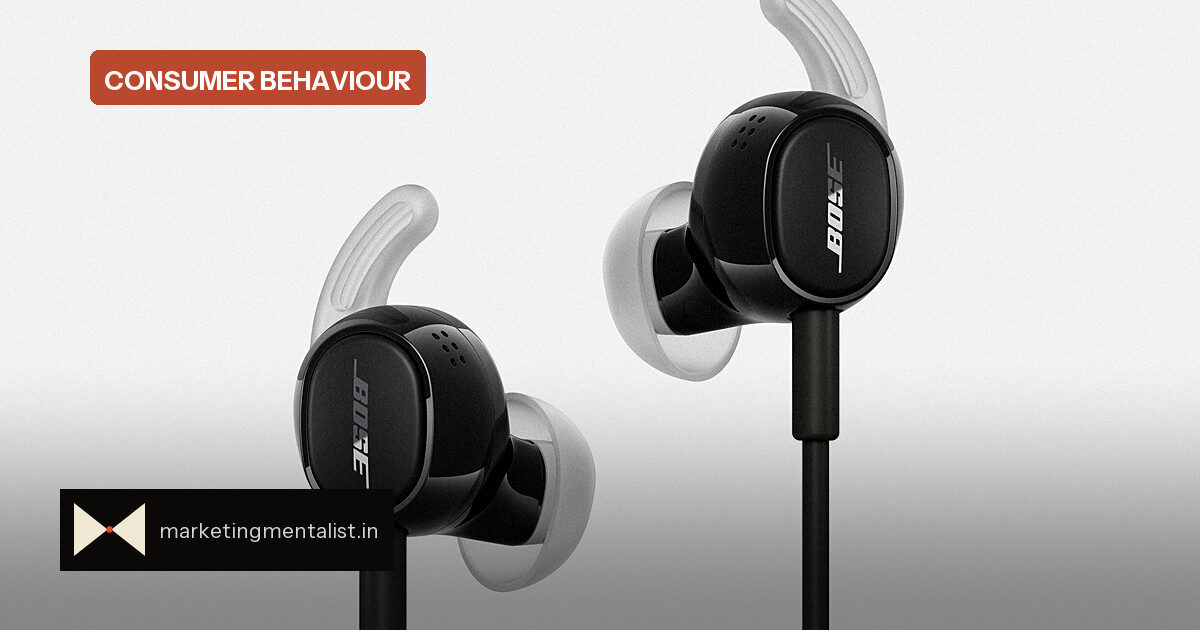
Wired headphones were supposed to be dead. Instead, they have become a status signal. The latest proof: Bose’s $99 Noise Cancelling Wired Earbuds, its first wired audio product in 11 years, launched in late September and sold out two months of pre-order stock in less than 24 hours. The earbuds shipped October 15, and the company says subsequent restocks have kept selling out quickly.
A category flips direction
Circana data puts a number on the revival. Wired headphone sales rose 15% year over year to $354 million in 2026. That may sound small next to wireless, but Paul Gagnon, VP and industry advisor for consumer technology at Circana, says it matters because wired had been declining for years. ‘We started to see the wired headphone category return to growth last year,’ he says.
The psychology of the comeback
This isn’t just about price. The average wired pair sells for about $12, and Circana notes most of the top five brands—Apple, Sony, JLab Audio, Sennheiser, and Skullcandy—come in under $20. Bose deliberately went the other way: a $99 premium wired product.
The emotional trigger is visible on college campuses. Raza Haider, Bose’s president of premium consumer audio, says his daughter told him that wired has flipped from uncool to cool: ‘all the cool kids have them.’ When a generation adopts an old format as an identity badge, demand is no longer just functional.
Add the quiet resentment of Bluetooth friction, and the revival makes sense. Wireless buyers keep managing charging, pairing quirks and the panic of losing a tiny earbud. A wired noise-cancelling pair removes those chores while keeping the feature people actually want.
What to steal from Bose’s sellout
Marketers should treat this as a convenience backlash, not a one-off retro fad. When a dominant product accumulates hidden costs, an older format can return—especially if it keeps the new category’s best feature. Bose didn’t just reissue a cord; it bundled active noise cancellation into a wired product.
- Watch for ‘friction fatigue’: charging, pairing, searching and software updates are now visible costs.
- Don’t assume old formats are obsolete; watch for social signals that status has shifted.
- If you revive a legacy format, keep the feature people adopted the new format for.
- Price against the value of removing real pain, not the category’s commodity average.
The sold-out launch also feeds a scarcity loop. Pre-orders selling out in a day turn an old-school product into an ‘if you can get one’ object, which reinforces the cool factor that started the trend.
Source: Fast Company