Visa’s playbook: invisible payments, memorable experiences
Visa's CMO says payments are becoming invisible—so the brand must show up at concerts, travel and sport. Here's the N=1 personalisation shift.
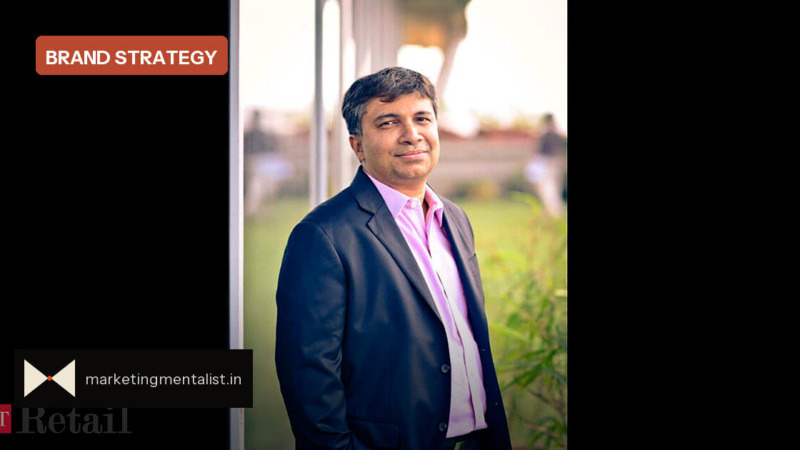
At the afaqs! BankFin 360 conference, Visa’s India and South Asia CMO Gaurav Ramdev laid out a paradox: the payments network should become invisible, yet the brand still has to earn a place in people’s lives.
Seamless by design
Ramdev said consumers now expect payments to simply work—securely and without friction—whether at a store or an e-commerce checkout. That expectation changes what a payments marketer can sell. Utility alone does not give a customer a reason to choose one network over another.
The answer, he suggested, is to connect through advertising and through the moments people already care about: concerts, sport, travel. A concert ticket bought on a Visa card is functionally just a payment; as a marketing opportunity, it is access to an experience. That thread also ran through Visa’s campaigns with Sachin Tendulkar and, more recently, Shah Rukh Khan under the Visa Power proposition.
N is equal to one
The second shift is personalisation. A frequent traveller’s ideal card looks nothing like the card of someone whose spending clusters around groceries, fuel and dining. Rather than chasing broad segments, Ramdev said the industry is moving to “N is equal to one”—the card that fits my life.
He pointed to airport lounge benefits as an example: an emerging consumer preference becomes a card proposition when issuers and payment networks spot it early. The goal is to reduce the mental effort of deciding which card to use by matching benefits more closely to individual lifestyles.
From needs to wants
Ramdev also mapped India’s aspiration gap. Tier 2 and Tier 3 markets are consuming more products, helped by e-commerce access to premium brands, while Tier 1 consumers increasingly want experiences. He said consumers today care more about access to experiences than simply buying things for themselves.
That aspiration is going global. Consumers follow international trends, travel overseas and attend global sporting events. Visa’s sponsorship of two Formula One teams and its Visa Power Travel platform are both ways to meet that desire for global access.
For brands, the lesson is sharp: when the product disappears, the emotional wrapper—experience, access, identity—becomes the brand. Here is the playbook:
- Friction is table stakes. Seamless utility earns retention, not preference.
- Differentiate through access. Concerts, lounges and travel turn transactions into memories.
- Treat each customer as a segment of one. Broad segments are giving way to lifestyle-fit propositions.
Ramdev was careful about the data boundary: Visa enables transactions, but the issuing bank holds the customer-level spending view. That means the most relevant personalisation is a shared effort—banks read the spending signals, while Visa and partners build the payment rails and benefits around them. The brand that wins, he argued, combines secure, seamless payments with benefits and experiences people actually want.
Source: Afaqs!