The Psychology Behind the Viral ‘Pick Another Protein’ Ad
A Mississippi voter's grill-side line became a viral campaign ad. Here's the psychology of authenticity, pivot lines, and why real voices travel.
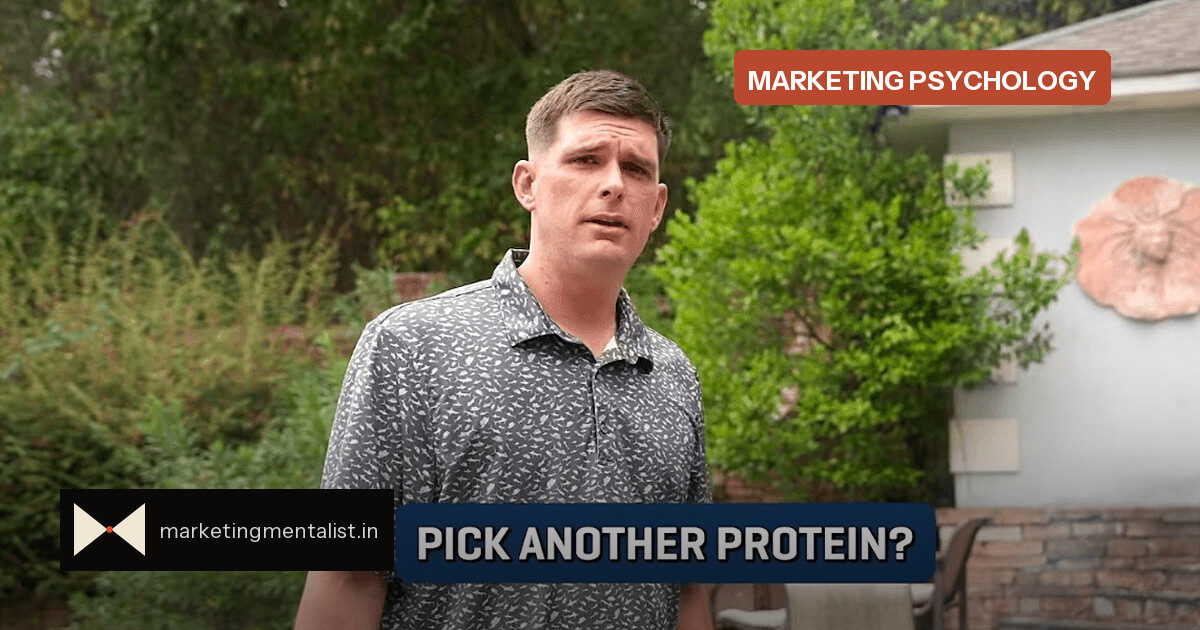
In a 2026 Mississippi Senate race, the most persuasive marketer wasn’t a strategist—it was a voter standing over a grill. The line: “Pick another protein? Shiiii… I’d rather pick another senator instead.” Russ Hudson, an Army veteran and stay-at-home dad from Columbus, became the accidental face of Democrat Scott Colom’s campaign after an incumbent senator’s comment about food prices turned into a viral ad.
The backstory matters. In February, Republican Senator Cindy Hyde-Smith was asked on a local news segment about rising food prices and beef. Her response—that shoppers “have so many proteins to choose from”—gave Colom’s team a ready-made message. By October, the campaign had turned that clip into an ad filmed at Colom’s mother’s home, with Hudson as the first voter on screen.
The persuasion is in the casting
Hudson wasn’t a polished actor. He had known Colom for about a decade, and his father had originally been approached to appear in the ad before stepping aside. Hudson volunteered because he believed in the candidate. On the shoot, the team felt they had something genuine—and 27-year-old Mississippi content creator Ryan Sayles shared behind-the-scenes footage that extended the campaign’s reach.
That authenticity does real psychological work. Viewers are primed to ignore a scripted performer, but a real voter with a lived backstory—an Afghanistan veteran who rebuilt his life through a veterans housing program and now trains service dogs—makes the frustration feel earned. He wasn’t delivering poll-tested language; he sounded like a neighbour who had simply had enough.
Why the frame worked
The senator’s phrase changed the debate from policy to values. “Pick another protein” implied that consumers should adjust their preferences rather than expect leaders to address prices. The counter-message turned that into a simple choice: markets can offer substitutes, but representation shouldn’t feel substitutable.
- One short, repeatable line gave the spot a meme-sized payload.
- An ordinary voter, not the candidate, delivered the rebuttal.
- A real backstory made the messenger credible after the first watch.
What brands can steal
For brand teams, this is a case study in pivot lines. The ad repeats the opponent’s own words—“pick another protein”—then redirects them to a bigger stake: “pick another senator.” Repetition keeps attention on the original gaffe; the twist transfers the feeling. The same structure can move a product message from a feature list to the real choice a customer is making.
In other words, the ad worked because it was easy to retell and easy to trust. A viewer could grasp it in three seconds, repeat it in one sentence, and then learn more about the person who said it. Most brand campaigns are designed for the opposite: high production, low retellability.
There is also a second-wave effect. Once Hudson’s history surfaced, the ad earned fresh coverage because the messenger had a story worth telling. The campaign didn’t only have a clever line; it had a participant who could carry additional narrative weight. That’s the difference between a one-day viral clip and a story people keep talking about.
The lesson: before you script a customer, find a customer whose experience already tells the story. Let them say it in their own voice, keep the line short, and make sure the person behind it has a story that can survive the second click.