Uber Japan Turns App Switching Into a Reichi Hip-Hop Track
Uber Japan and Special turn the Eats-to-Taxi toggle into a Reichi track, using an existing habit to beat app fatigue.
The ad in one paragraph
Uber Japan’s third “Eater 2 Rider” chapter, “Switch Up,” turns a product-education message into a 70-second hip-hop track written and performed by Osaka-born rapper Reichi. Created with agency Special and directed by Takuto Shimpo via ROBOT, the film follows Reichi and her friends through daytime and night—ordering in with Uber Eats at home, then calling an Uber to the sauna, the studio and the nightclub—all inside a single app interface. The campaign is for Uber Taxi and speaks to millions of Japanese Uber Eats users who already have the ride-hailing button on their home screen without realising it.
The levers it pulls
Special’s creative challenge, as executive creative director Norio Ichikawa puts it, was making a simple product point worth listening to. The track does that with three behavioural levers.
- Habit leverage and status quo bias. Many people in Japan still hail taxis by waving one down on the street. The film does not ask for a new behaviour; it attaches ride-hailing to an existing daily habit—opening Uber Eats. The familiar home screen and “one app, one account” message reduce the mental cost of downloading or learning something new.
- Processing fluency through music. A rhyme is easier to process and recall. Reichi’s hook, “EatsからTaxi 切り替え楽チン” (“From Eats to Taxi, toggling is a breeze”), encodes the toggle in a sticky, singable phrase that should come to mind faster at decision time.
- Social proof through cultural authenticity. Reichi is framed as a real user, not a scripted narrator—she says she browses Eats on her phone in the taxi on the way home. Showing the switch inside her ordinary day, with friends, sauna trips and studio sessions, normalises the behaviour for viewers.
What it does for the brand
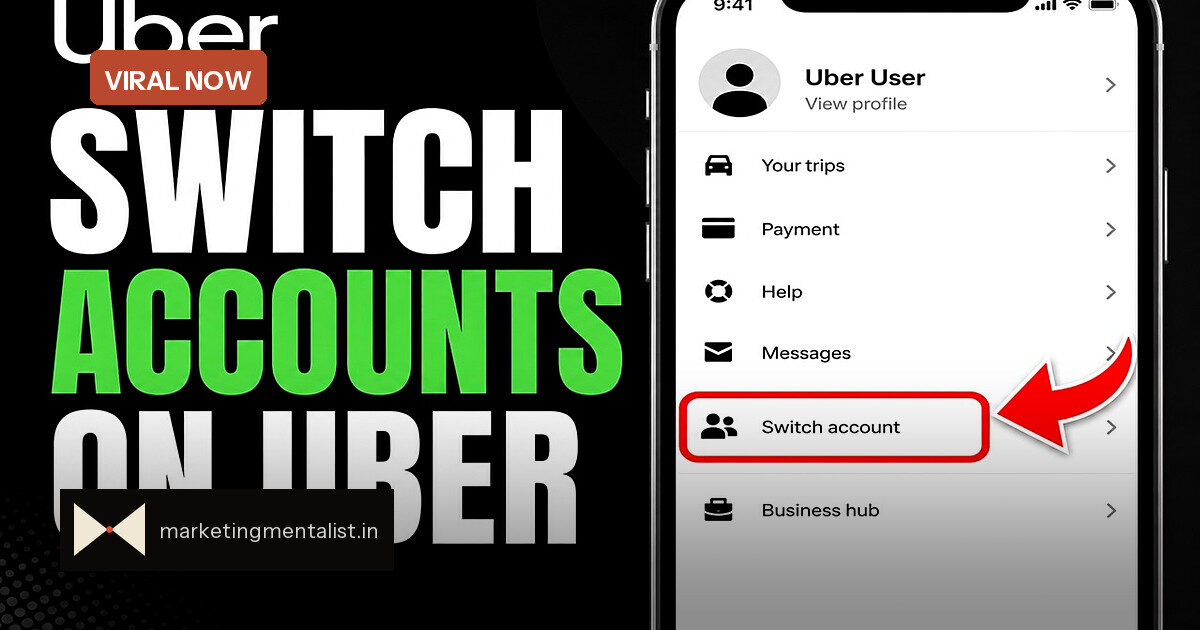
It builds long-term salience for Uber Taxi by closing a recognition gap. As Uber Japan’s Jiwon Lee notes, most people already have Uber Eats on their phone but many do not realise the Taxi button sits on the same screen. The campaign sells that recognition, not a new download.
It also moves the brand from utility advertising into music culture. Reichi’s 94,000 Instagram followers and 120,000 monthly Spotify listeners give Uber a reason to appear in playlists and feeds rather than only interruption slots. A track people choose to replay does distribution work that a product demo cannot.
What to borrow for your next campaign
Start from an existing habit. Find the feature already living inside something your customer does daily, then show the small step from one action to the other. Uber Eats was already open on millions of screens; Taxi simply became visible there.
Give the message to a credible user, not a voiceover. Reichi wrote the lyric and the beat from her own routine. That ownership makes the product point feel like part of her world rather than an interruption from the brand.
Make the utility singable. A short, fluent hook can carry a functional instruction further than a demo, but only if it is built around the user’s own words and rhythm. The goal is recall at the moment a taxi is needed, not just clarity in the ad.
Watch the original: Uber on YouTube
Source: Campaign Brief