
Tag: <span>brand strategy</span>
Zero-Click Searches Mean Visibility Is No Longer Enough
As AI chatbots reshape search, clicks and rankings no longer equal brand presence. Here's what the zero-click shift means for trust and…
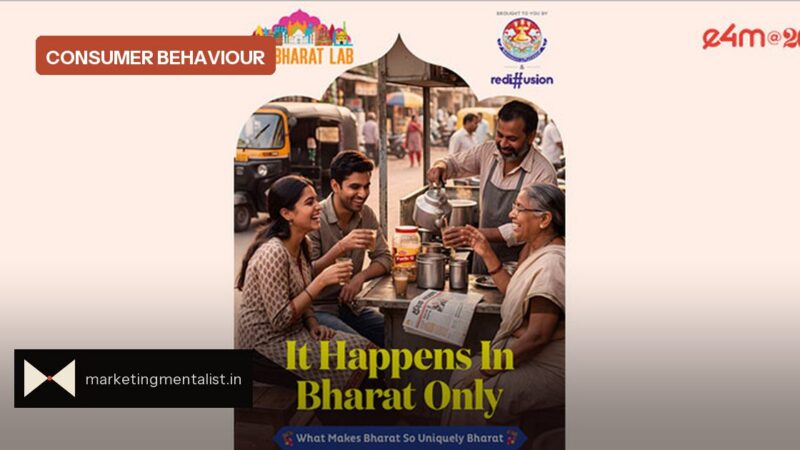
Rediffusion-Bharat Lab Report Maps India’s Relational Buying
A new Rediffusion-Bharat Lab report turns everyday Indian rituals into marketing signals: family decisions, muhurat timing, social proof.

Why non-luggage brands now want to own your airport look
SNITCH, Rare Rabbit, Acer and more are entering India's $4.3 billion luggage market. Here's the psychology behind the airport look.

Why Magnum Is Turning Diwali Into an Ice Cream Occasion
Magnum is cutting prices, reformulating and trying to create a Diwali ice cream ritual in India. Here's what that teaches about occasion…

Why Trust Comes Before Transactions in Nigerian Markets
Nigerian founders reveal the psychological triggers that convert cautious buyers: relatability, social proof, visible credibility and consistent quality.
US Shoppers Spend More but Feel Worse: A Mood Paradox
US consumer sentiment is falling while spending keeps rising. Goldman Sachs points to trust, headlines and institutions—not just income. What it means…

Louis Philippe’s Premium Push Is a Brand-Stretch Test
Louis Philippe is stretching a formalwear Crest into casual, denim and small-town retail. Here’s how to tell premium expansion from brand dilution.
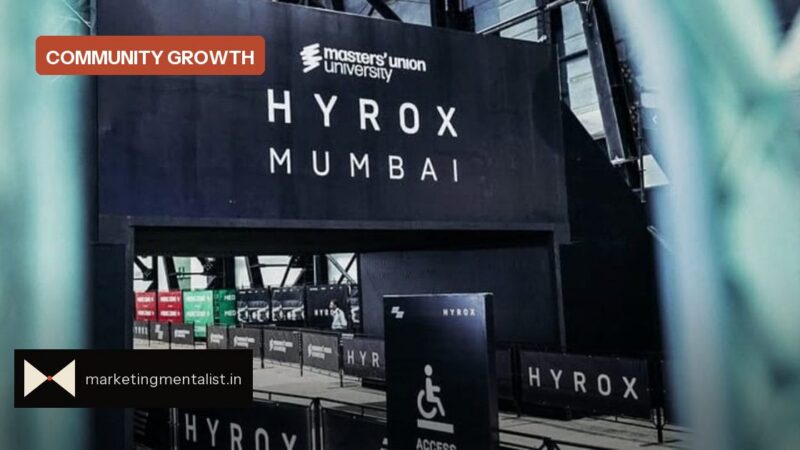
Zero ads, 15,000 racers: HYROX India’s community flywheel
How HYROX India grew from 1,600 to 15,000 racers with zero paid marketing—and what measurable goals, social proof and community mean for…

Why Indians Now Wait Longer but Spend More on Smartphones
India’s smartphone market shows a pricing paradox: longer upgrade cycles, EMI-led spending and selective premiumisation. Here’s what it means for brands.

Liberty’s Multi-Brand Bet: A House of Brands in Footwear
Liberty built 10+ sub-brands to match India’s occasion-driven footwear market. Here’s the psychology and trade-off behind a house of brands.

Why 91% of India’s Next Gen Pay Attention to Funny Brands
New Snapchat-Omnicom research shows 91% of India's Next Gen pay more attention to funny brands—and forced humour can backfire. Here's what marketers…

India’s Next Gen: 91% pay more attention to funny brands
Snapchat and Omnicom's six-country study shows 91% of India's Next Gen pay more attention to funny brands—but forced humour backfires.