Snitch’s Bismil 2.0 turns fashion into identity language
Snitch reunites with Sufi singer Bismil for a sequel film that frames fashion, music and creativity as identity signals.
The new film, in one paragraph
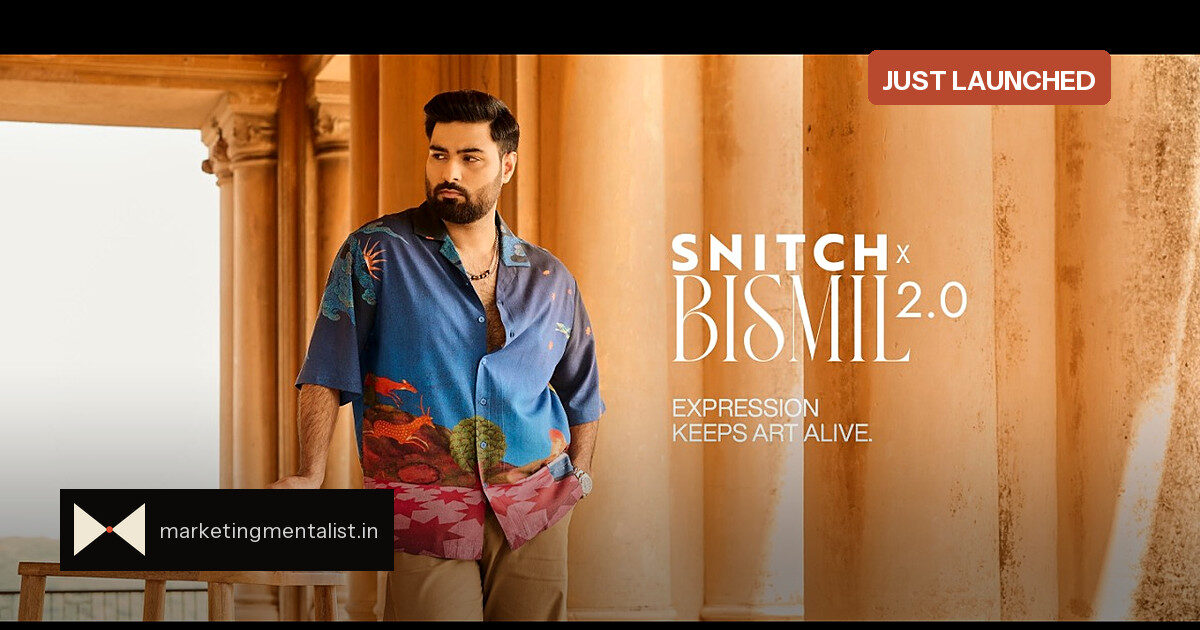
Snitch’s newest campaign is a sequel by design. The homegrown menswear brand has reunited with Sufi singer-songwriter Bismil for “Bismil 2.0,” a visual film that places sketches, personal style and music next to one another as connected ways of saying who you are. It is aimed at young Indian men who treat dressing as self-description, and it arrives in 2026 as a festive-season statement. The film is not a product showcase; it is a short argument that identity has more than one medium.
The levers it pulls
Three behavioural principles do most of the work.
- Identity signalling. People use visible choices—clothes, art, taste—to manage how others read them. The film doesn’t lead with fabric or fits; it treats style, drawing and performance as three dialects of the same message.
- Familiarity and fluency. By returning to Bismil, Snitch borrows an association it has already built. A familiar voice is processed more easily, and that ease can feel like trust before a viewer has consciously decided how to feel.
- Affect transfer. The emotional weight of Bismil’s music becomes the emotional register of the ad. When the music lands, the clothing is standing inside that feeling rather than arguing for itself with features.
The bet the brand is making
Snitch is betting that, in a crowded festive market, differentiation will come from emotional continuity rather than product novelty. A sequel is a statement: the brand does not need a new face each season; it needs a sharper version of an idea people already remember. Chetan Siyal, CMO and founding member, frames fashion as self-expression—what people wear communicates how they see themselves. The risk is obvious: returning without adding meaning can read as a rerun. The reward, if the film lands, is brand memory that lasts longer than a sale.
What to borrow for your next campaign
First, do not treat a repeat collaborator as a replacement for a new idea. Bring someone back only when you can name the sharper thought the sequel adds. Second, let identity, not category, be the hero; the product should be the wardrobe for a person’s self-expression, not the subject of the story. Finally, use music as an argument, not a backdrop. If the sound and the clothes do not point to the same feeling, the campaign splits its attention.
Watch the original: Snitch on YouTube
Source: ETBrandEquity.com