Rado’s India surge and the psychology of premium access
Swiss watch imports grew 31% in India this year, and Rado says India is now its largest market. Here's the pricing and expansion logic behind the surge.
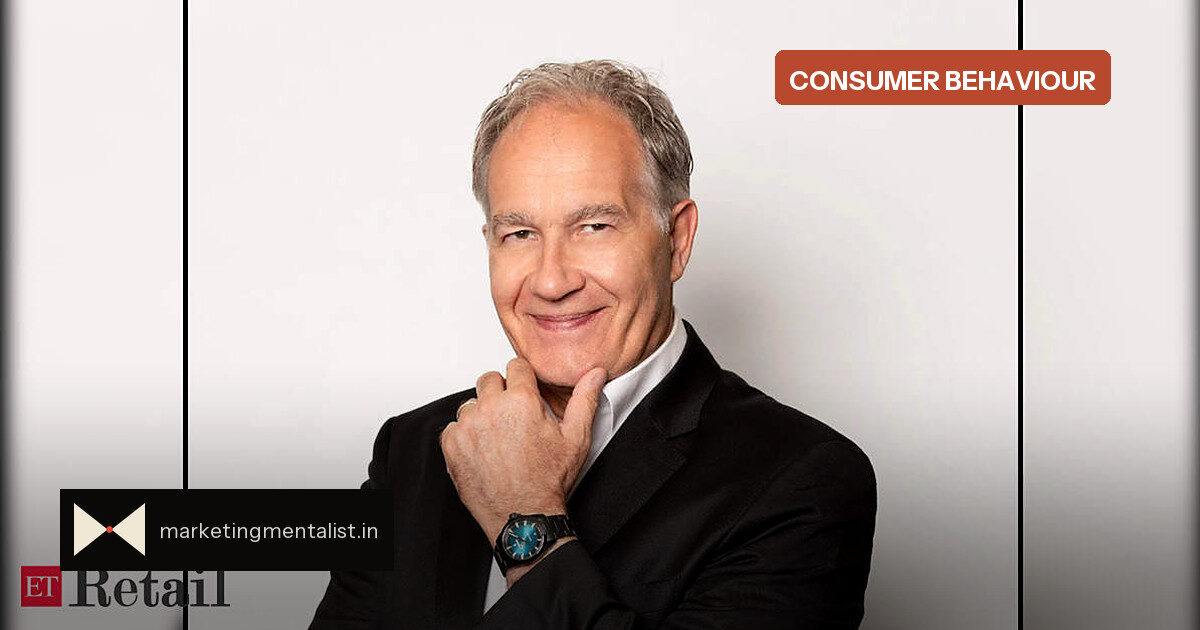
Swiss watchmaker Rado now calls India its largest market globally, and the supporting numbers are strong: Swiss watch imports into India grew 31 per cent in the first eight months of the year, according to Federation of the Swiss Watch Industry data cited by Rado. The brand says India contributes a two-digit share of its worldwide sales.
The entry price is doing more work than the flagship
Rado is holding its entry point around Rs 1 lakh even as it pushes higher-value collections. That is not indecision; it is a price-ladder strategy. The accessible step converts a younger, first-time luxury buyer, while the mechanical movements and high-tech ceramic pieces higher up are what lift average ticket size. In practice, the Rs 1 lakh point is an acquisition play, not a discounting play.
Rado global CEO Adrian Bosshard framed the market shift simply: “India became the number one market, and of course also with a very pleasant growth during the last couple of years.”
Smaller cities are the next luxury arena
The brand currently operates around 210 points of sale and 37 boutiques in India, with plans to add roughly 3-4 boutiques annually, including in tier-2 and tier-3 cities. What makes this notable is the deliberate pace. Bosshard said Rado’s aim is never to grow sales just by opening new stores.
That is a positioning statement, not only a distribution plan. More doors can create reach, but too many doors can erode the scarcity that luxury depends on.
What marketers should borrow
- Protect an attainable entry price so new buyers can start the relationship.
- Use materials and movements, not discounts, to trade customers up.
- Expand into smaller cities where aspiration is rising, but keep density low.
- Let product innovation carry the story before advertising does.
The psychology beneath the numbers
Rado says India currently sits in the top 15 global luxury watch markets and has a clear path toward the top 10. The company is also strengthening production capacity and R&D to absorb Indian demand, and it reports average ticket size rising as customers look for premium movements and high-tech ceramic.
This year, Rado marks 40 years of high-tech ceramic watches, producing pieces in more than 25 ceramic colours. Around 70 per cent of its overall production is now in high-tech ceramic. The material matters because it gives the premium price a visible, tactile reason to exist.
The broader lesson for brand managers is that premium growth in India is becoming a two-speed game. The entry rung widens the funnel; the upper rung widens the margin. Brands that can manage both without blurring the line will capture the shift.
Source: ETRetail.com