Diwali isn’t the finish line: Nykaa’s 8.5% order lift
Post-Diwali demand doesn't vanish; it shifts. Here's how first-party data, geo-lift testing and quick-commerce fulfilment stretch the festive window.
The retail season has quietly got longer
For years, Indian marketers treated Diwali as the final whistle. The festive push started with Durga Puja and Navratri, peaked around Diwali, and then everyone exhaled. That assumption is now expensive.
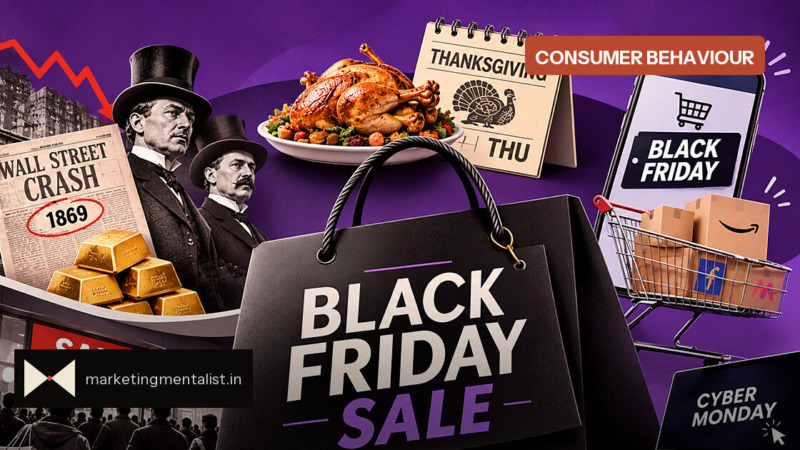
Roma Datta Chobey, Managing Director at Google India, has sketched a different map of the year’s final quarter. In a blog post, she described the weeks after Diwali as a continuation of the retail opportunity, not a slowdown. Demand shifts rather than disappears: shoppers move from festive gifting into personal upgrades, wardrobe restocking, home refreshes, travel and the wedding season rush. Black Friday, Cyber Monday, end-of-season sales and Christmas stretch the cycle further.
From occasion-led buying to considered purchases
The post-Diwali shopper is not the same shopper. The impulse of festival gifting gives way to comparison, creator reviews, conversational search and detailed product research. Chobey highlighted that this is when brands should learn to tell the difference between a one-time festive buyer and a repeat, high-intent customer.
First-party data does the sorting. A customer who only appears for a Diwali discount may not be worth the same acquisition spend as one who returns for personal milestones. Understanding that split, she argued, is how brands allocate acquisition and retention budgets toward lifetime value rather than one-off transactions.
- Fashion, jewellery, beauty, electronics, home and travel keep demand alive after Diwali.
- AI Mode in Search and YouTube creator reviews now shape the research phase.
- Creative has to shift: generic festive messaging stops working when the occasion changes.
Last-click measurement misses the upper funnel
Longer research windows create a measurement problem. A consumer may see a brand on YouTube weeks before searching and buying. If a marketer credits only the final click, the video or visual ad that started the journey looks worthless. Chobey pointed to geo-lift incrementality testing as a fix.
She cited Nykaa’s use of geo-lift testing on YouTube Connected TV, which showed an 8.5% incremental lift in orders. In plain terms: when brand and performance campaigns are measured together, the contribution of upper-funnel advertising becomes visible instead of being written off.
Close the gap between discovery and fulfilment
There is another reason the year-end window leaks revenue: the gap between wanting and buying. Checkout friction, inflexible budgets and slow fulfilment kill conversions even when intent is high. Chobey pointed to value-based smart bidding, flexible budgets and retargeting as ways to keep pace with changing demand.
The fulfilment side is becoming more important as quick commerce enters the purchase journey. Chobey cited RENÉE Cosmetics, which used Google’s Commerce Media Network to connect Search and YouTube discovery with quick-commerce pathways and recorded an 11.5% increase in quick-commerce sales. The lesson is that discovery without easy fulfilment is just advertising.
What marketers should do now
The longer retail calendar is also an export opportunity. Black Friday and Cyber Monday pull international demand in apparel, beauty, wellness, jewellery and home. Localising product feeds, sizing and currencies can help Indian brands reach those shoppers.
None of this requires a bigger budget first. It starts with using festive-season data as a research asset. The brands that win the post-Diwali window will be the ones that stop treating it as the leftover season.