Post-Diwali demand is India’s second retail season
Google India MD Roma Datta Chobey says post-Diwali demand flows into Black Friday, Cyber Monday, Christmas and weddings, making festive data a retention tool.
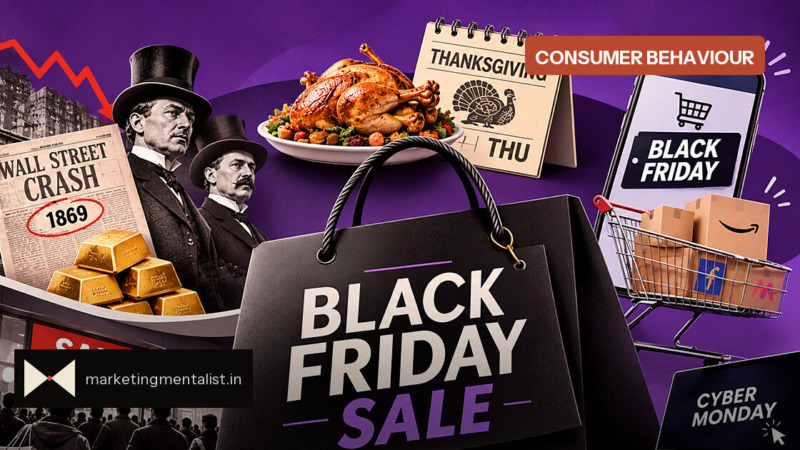
Diwali is no longer the final act of India’s retail year. Roma Datta Chobey, Managing Director at Google India, says the weeks after the festival are less a slowdown than a pivot: the same shoppers who bought for festivities keep spending on personal upgrades, wardrobe restocks and upcoming occasions, then roll into Black Friday, Cyber Monday, Christmas and the Great Indian Wedding Season.
“The weeks following Diwali represent a continuation of the retail opportunity rather than a slowdown in demand.”
For marketers, that reframes the festive report from a scorecard into a customer-research window.
The post-Diwali shopper changes intent
Chobey’s central point is about intent. During Durga Puja, Navratri and Diwali, purchases tend to be occasion-led. After the festivals, consumers shift into considered mode: evaluating products, comparing prices and watching creator reviews before buying. Fashion, jewellery, beauty, electronics, home and travel remain active categories, but the reason for buying changes.
That distinction matters for first-party data. Festive campaigns should not be isolated bursts. Chobey argues they are rich customer-research windows: use them to spot repeat buyers, separate one-time festive purchasers from high-intent customers, and model lifetime value before spending heavily on acquisition.
Why the last click lies
Post-Diwali journeys also expose the limits of last-click attribution. A shopper may watch YouTube creator reviews or encounter a brand in a video feed days or weeks before searching and buying. If you credit only the final click, you ignore the upper-funnel work that made the search happen.
Chobey points to Ads Data Hub for tracing the sequence and frequency of brand and performance touchpoints, and to geo-lift testing for proving whether advertising actually caused growth. Nykaa’s geo-lift test on YouTube Connected TV, for example, showed an 8.5% incremental lift in orders — evidence of contribution beyond the final tap.
Closing the conversion window
Research may take days, but the final conversion can be quick. Checkout friction, rigid campaign budgets and weak discovery-to-fulfilment links can all leak demand. Chobey flags Value-Based Smart Bidding and flexible budgets across Performance Max and Demand Gen, plus retargeting and retention, as ways to keep higher-value cohorts moving.
Quick commerce can shorten that gap. RENEE Cosmetics used Google’s Commerce Media Network to connect Search and YouTube discovery with quick-commerce pathways, reporting an 11.5% increase in quick-commerce sales.
The year-end calendar also creates cross-border demand. Black Friday and Cyber Monday open shelves in international markets for Indian brands in apparel, beauty, wellness, jewellery and home. Localising product feeds, sizing and currency through Merchant Center, and using Market Finder to spot rising category demand, helps convert that reach.
What to do now
- Mine festive data for repeat-buyer signals instead of closing the campaign report after Diwali.
- Adapt creative and regionalisation for each subsequent occasion, rather than re-running generic festive ads.
- Measure incrementality with geo-lift tests and data hubs, not last-click alone.
- Shorten the gap between discovery and checkout through flexible budgets, retargeting and quick-commerce pathways.
The bigger shift is strategic. Post-Diwali demand is not a leftover; it is a second season with different motivations. The brands that win will reuse festive intelligence to find repeat customers, prove upper-funnel value and capture demand all the way to New Year.