$87K Bitcoin Feels Pricey? Blame Anchoring
A TradingView note shows how Bitcoin around $87K can look expensive or cheap depending on the anchor. Here's what it means for pricing strategy and brand marketers.
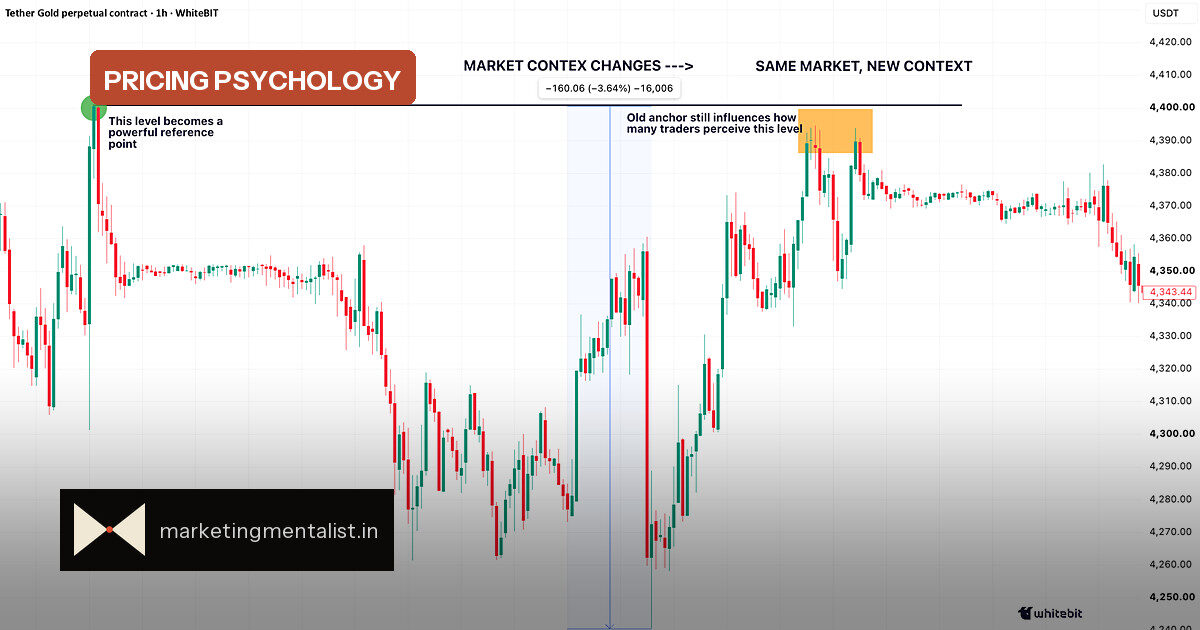
Why does a price feel wrong even when the value has clearly changed? A new TradingView note from WhiteBIT uses Bitcoin to illustrate a bias that quietly shapes how buyers respond to any price: anchoring.
Same chart, two different prices
In the note, Bitcoin is hovering around $87,000. A trader anchored to $80,000 may decide it is too expensive and wait. Another trader anchored to a higher Bitcoin price sees the same $87,000 as a bargain. The chart has not moved; the reference point has.
Anchoring bias is the tendency to lean heavily on the first number we encounter. For traders, old all-time highs, crash lows and the level where they almost bought become emotional landmarks. FOMO, regret and hindsight make those numbers sticky.
The danger: the anchor replaces analysis
The TradingView note warns that the real problem starts when an old anchor replaces analysis. A trader tells themselves the price will come back to $80K and trades what they believe should happen instead of what the market is actually doing. It feels logical right up until it costs money.
This is not limited to crypto. The note points out that gold’s run to record highs can still look “too expensive” to traders anchored to older ranges, even after the market has already repriced. The same mechanism shows up everywhere prices change.
Where old anchors hide in marketing
For brand managers and founders, the same bias operates with customers every day:
- A launch price becomes the “real” price in a buyer’s head, long after costs have moved.
- A past discount becomes the expected price, making the full rate feel unfair.
- A competitor’s old rate lingers, even after they have changed their pricing.
- An older premium price makes a strong current offer look suspiciously cheap.
Whenever a customer says “this feels expensive,” they are usually comparing the number in front of them to an older number they never consciously chose to remember.
What to do about the anchor
First, locate the anchor. Ask what past price, first price or remembered deal your customer is using as a reference. If it is stale, don’t just argue that the new price is fair — show the change. New tiers, repackaging, added value, a sharper story about what has changed can reset the point of comparison.
Second, set anchors on purpose. When launching, the first number buyers see becomes the yardstick. Put a premium tier first and the mid-tier looks reasonable. Offer the higher bundle next to a leaner option and the middle choice feels like the sensible one. The brand that sets the reference point controls the conversation about price.
The core lesson from the note is that old prices are context, not commandments. Markets reprice faster than buyers’ mental models do. Brands that actively manage reference points get a fairer hearing on price; brands that ignore them are fighting a memory they never created.
Source: TradingView