McDonald’s exits FIFA after 32 years as ROI disappoints
McDonald's ends its 32-year FIFA World Cup sponsorship after its biggest-ever campaign underperformed, signalling a shift to owned brand properties.
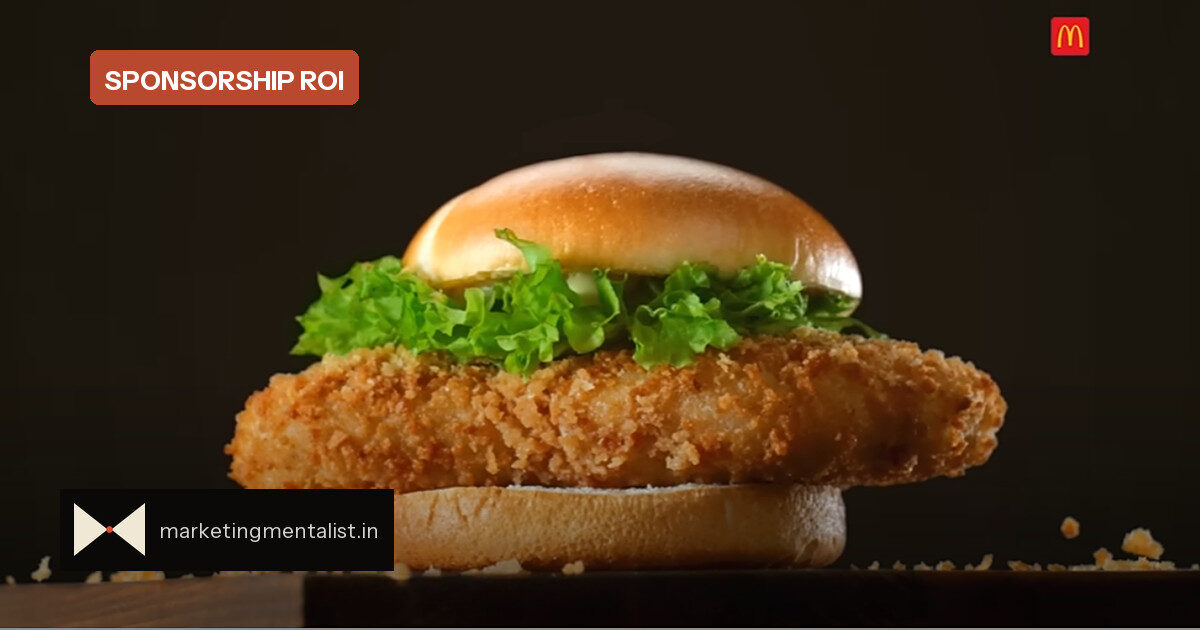
McDonald’s is walking away from one of sport’s most visible marketing assets. The fast-food chain is ending its 32-year FIFA World Cup sponsorship after its largest-ever tournament activation, which spanned more than 110 countries during the 2026 men’s World Cup, failed to clear internal expectations.
Scale didn’t translate into the expected return
The campaign, created by Wieden+Kennedy New York, was McDonald’s biggest marketing initiative of the year. It included a World Cup meal, promotional Happy Meals and collectible cups featuring David Beckham, Ronaldinho, Thierry Henry, Son Heung-min and Lamine Yamal.
But during the company’s second-quarter 2026 earnings call, CFO Ian Borden said the campaign “provided a lift to the business and generated excellent system excitement” but “underperformed versus our expectations.” The result drew extra attention because McDonald’s is also seeing slower growth in the US.
What the sponsorship actually bought
The FIFA tie-up gave McDonald’s stadium presence, association with the tournament and naming rights to the Fair Play Trophy. In 2023, the company renewed with FIFA to cover the 2023 Women’s World Cup in Australia and New Zealand and the 2026 men’s tournament.
Here’s the strategic picture for brand builders:
- The 2026 push ran in more than 110 countries, yet still fell short of expectations.
- Global visibility included stadium branding and trophy naming rights, not just logo placement.
- McDonald’s now says it wants to focus on its own brand properties rather than relying heavily on external event platforms.
Rented reach vs owned brand equity
This is a useful case study in the difference between borrowed attention and ownable brand value. A World Cup sponsorship guarantees exposure, but exposure only becomes brand equity if it shifts memory structures, purchase cues or customer behaviour. When a 32-year incumbent with huge activation firepower concludes the deal no longer earns its place, it is a signal that legacy alone is not a strategy.
For CMOs, the practical rule is simple: treat a sponsorship like a business case, not a tradition. Define the behaviour it should change, set a sales or trial benchmark, and compare the lift against what an owned campaign could deliver with the same money.
What comes next
McDonald’s is not saying it will ignore cultural moments. It is saying it wants to build its own brand properties and customer experiences. That often means sharper, more distinctive and more controllable assets, and a tougher internal test for any future mega-deal.
Source: Afaqs!